JACQUELINE DU PRÉ™ – white bedding shrub rose – Harkness
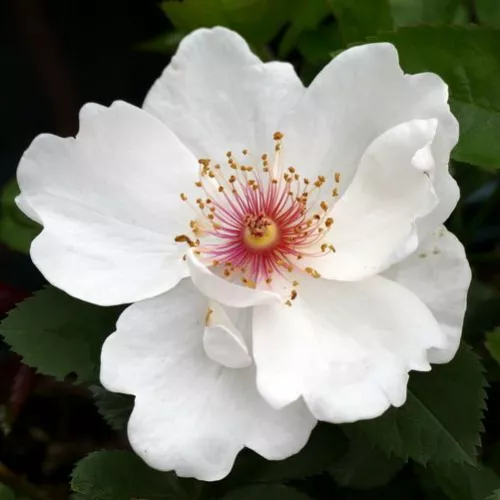
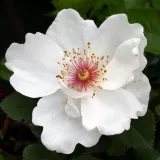
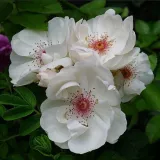
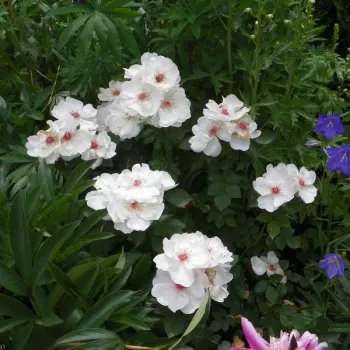
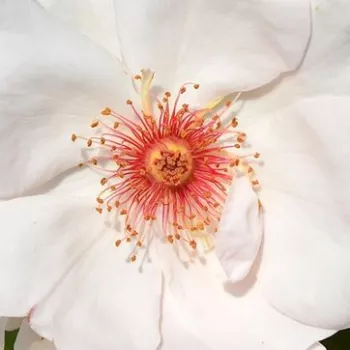
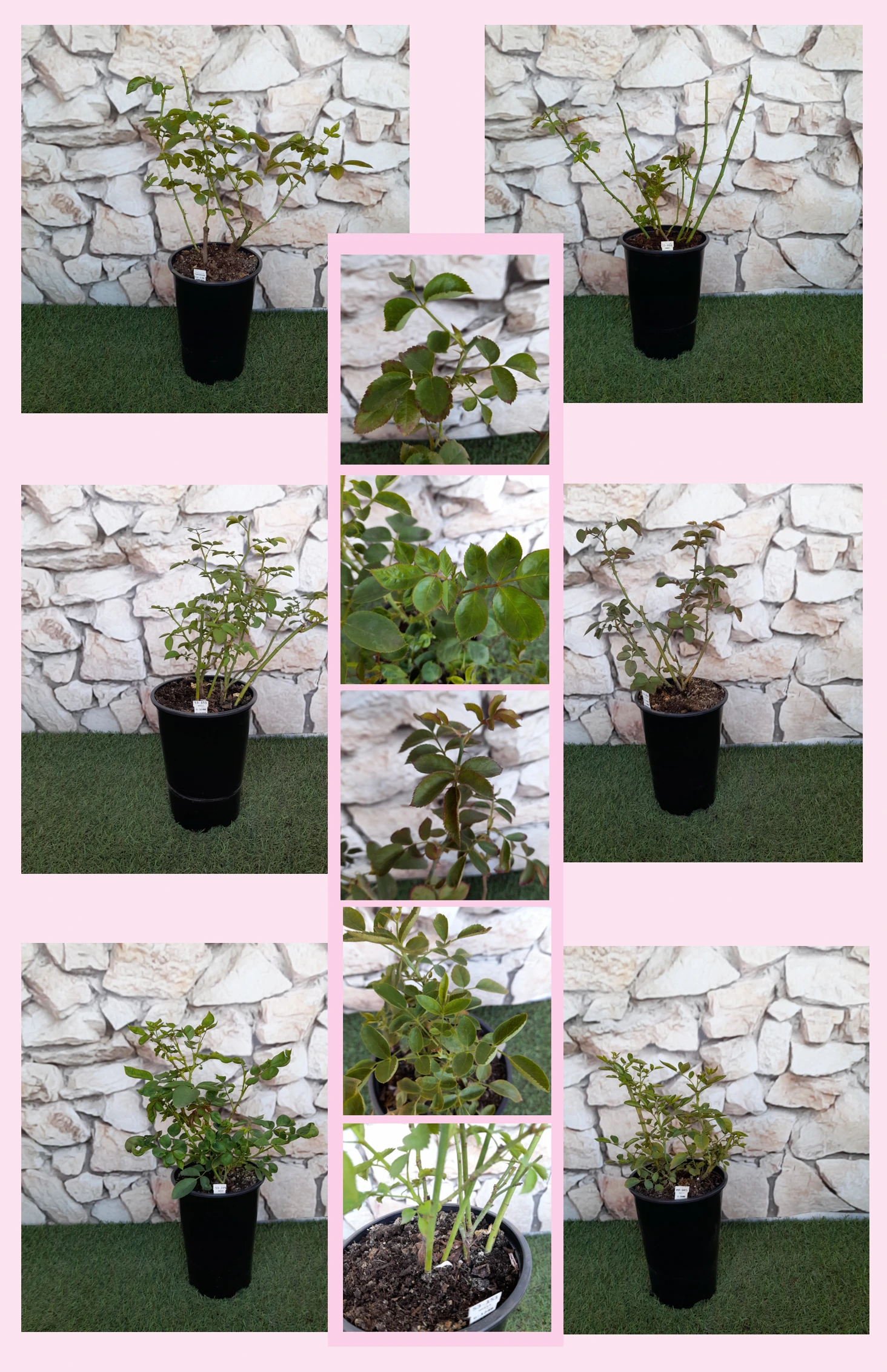
Step out to the soft patter of rain and meet Jacqueline du Pré™, a gently upright shrub rose whose open, single blooms glow creamy-white against glossy foliage, creating a mood of green, soft light even on overcast Irish days touched by moist winds and frequent showers. The flowers arrive in generous early clusters, then return in a rich second flush for an impressively long season, each snow-white cup showing warm golden stamens that draw in bees and hoverflies for a quietly wildlife-friendly touch. Medium, honey-spiced fragrance carries on damp evenings, while strong disease resistance keeps care pleasantly simple in humid, fungus-prone gardens. As an own-root rose it settles steadily, with roots in year one, confident shoots in year two and full ornamental value by year three, supporting a long-lived, reliable feature for both cottage borders and small Dublin front gardens, where you can enjoy its easy-going, low-maintenance charm.
Usage options
| Target area |
Reasoning |
| Cottage-style mixed flowerbed |
The long repeat-flowering habit gives continuous splashes of ivory and snow-white through the summer, so cottage borders never look bare between flushes. Dark, glossy foliage makes an elegant backdrop for perennials. A gentle choice for the fragrance-loving beginner. |
| Dublin terraced-house front garden |
Its upright, bushy shape fits neatly into narrow beds, offering strong presence without taking over the space. Reliable health and low maintenance suit busy city living, with no complicated spraying regime. Ideal for the time-pressed urban homeowner. |
| Pollinator-friendly family garden corner |
Single, open flowers with exposed stamens provide easy access to nectar and pollen, encouraging bees and hoverflies around patios and play areas. The naturalistic look works well with informal grasses. Perfect for the nature-focused family gardener. |
| Low-maintenance white-and-green border |
Strong disease resistance means the foliage stays attractive with little intervention, even in humid Irish summers where fungus can be a problem. Self-cleaning blooms reduce deadheading time. Well suited to those wanting beauty with minimal effort. |
| Feature shrub in heavy-clay garden |
Once established, the robust root system copes well if you improve drainage with grit and organic matter at planting, making it a sound choice where clay soil would defeat fussier roses. A reassuring option for challenging-soil owners. |
| Partial-shade side path or boundary |
Tolerating partial shade, it still produces good flowering in sites that miss full sun for part of the day, such as side passages or between houses. This flexibility helps fill awkward gaps for space-conscious urban gardeners. |
| Cut flowers from the family garden |
Large, cup-shaped single blooms on branching stems make characterful, airy cut flowers with a medium honey-spiced scent, lovely for informal jugs indoors. Regular cutting encourages more buds. A rewarding project for home flower-arranging enthusiasts. |
| Long-term structural planting in borders |
Own-root growth gives long lifespan and stable shape, so if top growth is ever damaged it regenerates true to type, securing lasting value. The shrub broadens gradually to fill its space with balanced structure. Sensible for future-minded garden planners. |
Styling ideas
- Cottage-leaning border – Weave through pink geraniums and airy grasses for a soft, romantic look, using its repeat white blooms as a calming thread – for relaxed cottage-garden lovers.
- Front-door welcome – Plant on either side of a path with lavender and low catmint, giving scented, bee-friendly colour that stays tidy and inviting – for urban terrace and townhouse residents.
- Monochrome elegance – Combine with white foxgloves, astrantias and silvery Artemisia for a cool white-and-green border that looks polished yet easy-care – for fans of understated refinement.
- Wildlife ribbon – Line a fence with this rose, punctuated by blue Carex ‘Blue Zinger’, to create a loose hedge that feeds and shelters pollinators – for families encouraging garden biodiversity.
- Container feature – Grow in a 40–50 litre pot with trailing thyme at the base for a movable accent on patios or balconies, keeping maintenance simple – for balcony and small-yard gardeners.
Technical cultivar profile
| Parameter |
Data |
| Name and registration |
Shrub rose, Hybrid Spinosissima group; registered as HARwanna, traded as Jacqueline du Pré™ Masterpiece Collection®, ARS exhibition name Jacqueline du Pré, premium gold merit rating. |
| Origin and breeding |
‘Radox Bouquet’ × ‘Maigold’, bred by Jack Harkness, R. Harkness & Co. Ltd, United Kingdom; bred and registered 1988, introduced 1989, from the Masterpiece Collection® line. |
| Awards and recognition |
Royal Horticultural Society Award of Garden Merit (1994), recognising reliable garden performance, sustained flowering and resilience under typical UK and Irish amateur garden conditions. |
| Growth and structural characteristics |
Upright, bushy shrub, about 130–170 cm tall, 100–140 cm spread, densely thorned stems, dense dark green glossy foliage, generally self-supporting and suited to informal shrub or mixed borders. |
| Flower morphology |
Large single to semi-double blooms, 5–12 petals, 7–10 cm wide, cup-shaped clusters; good self-cleaning, most spent flowers fall naturally; remontant with a notably abundant second flush. |
| Colour data and phenology |
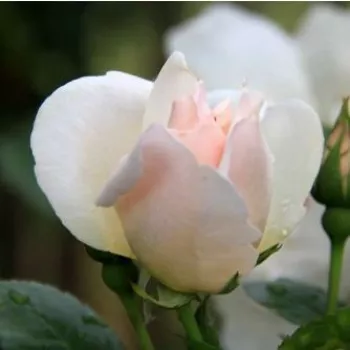
Ivory buds open creamy white with subtle pinkish glow, then snow-white with faint cream centre; good colour retention, later becoming slightly translucent, sometimes with yellow-tinged edges in strong sun. |
| Fragrance and aroma |
Medium-strength, distinct honey-spiced fragrance that is noticeable at close range and in still air; suitable for positioning near paths, doors or seating where scent can be frequently appreciated. |
| Hip characteristics |
Produces moderate numbers of bright orange-red, spherical hips, about 12–18 mm across, adding wildlife interest and seasonal colour in late summer to autumn if spent flowers are not removed. |
| Resistance and winter hardiness |
Rated resistant to powdery mildew, black spot and rust; hardy to about −26 to −23 °C (RHS H7, USDA 5b, Swedish Zone 4), tolerates medium heat and moderate drought with watering in prolonged dry spells. |
| Horticultural recommendations |
Best in fertile, well-drained soil with improved clay drainage; spacing 110–200 cm depending on use; tolerates partial shade; low maintenance, suitable as specimen, border, flowerbed, hedge or cut flower. |
JACQUELINE DU PRÉ™ offers long-season white flowering, reliable disease resistance and pollinator-friendly blooms on a durable own-root shrub; a thoughtful choice if you seek lasting beauty with modest effort.