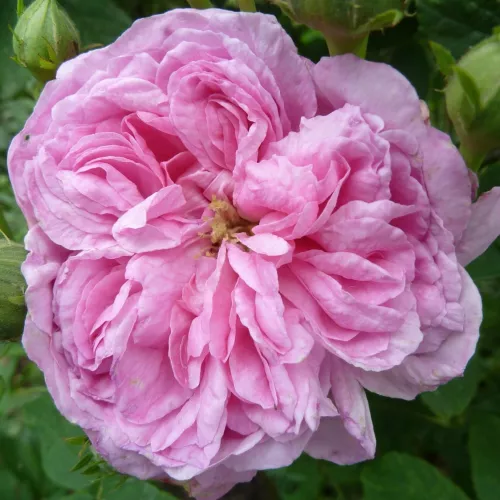
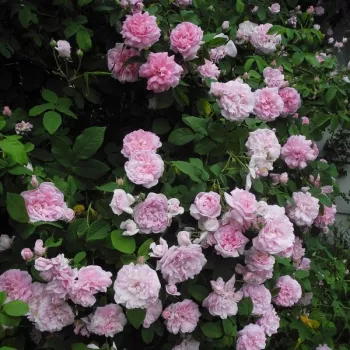
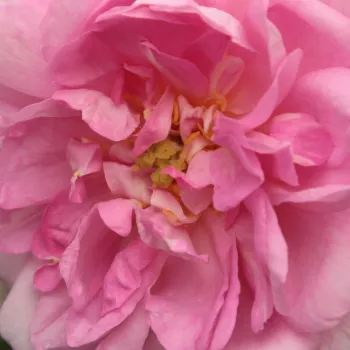
Ispahan – pink historic Damask rose
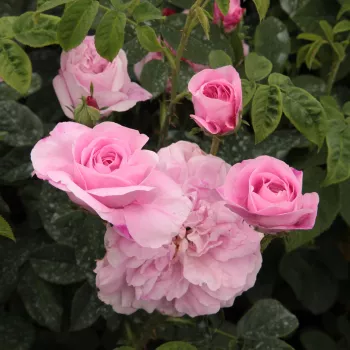
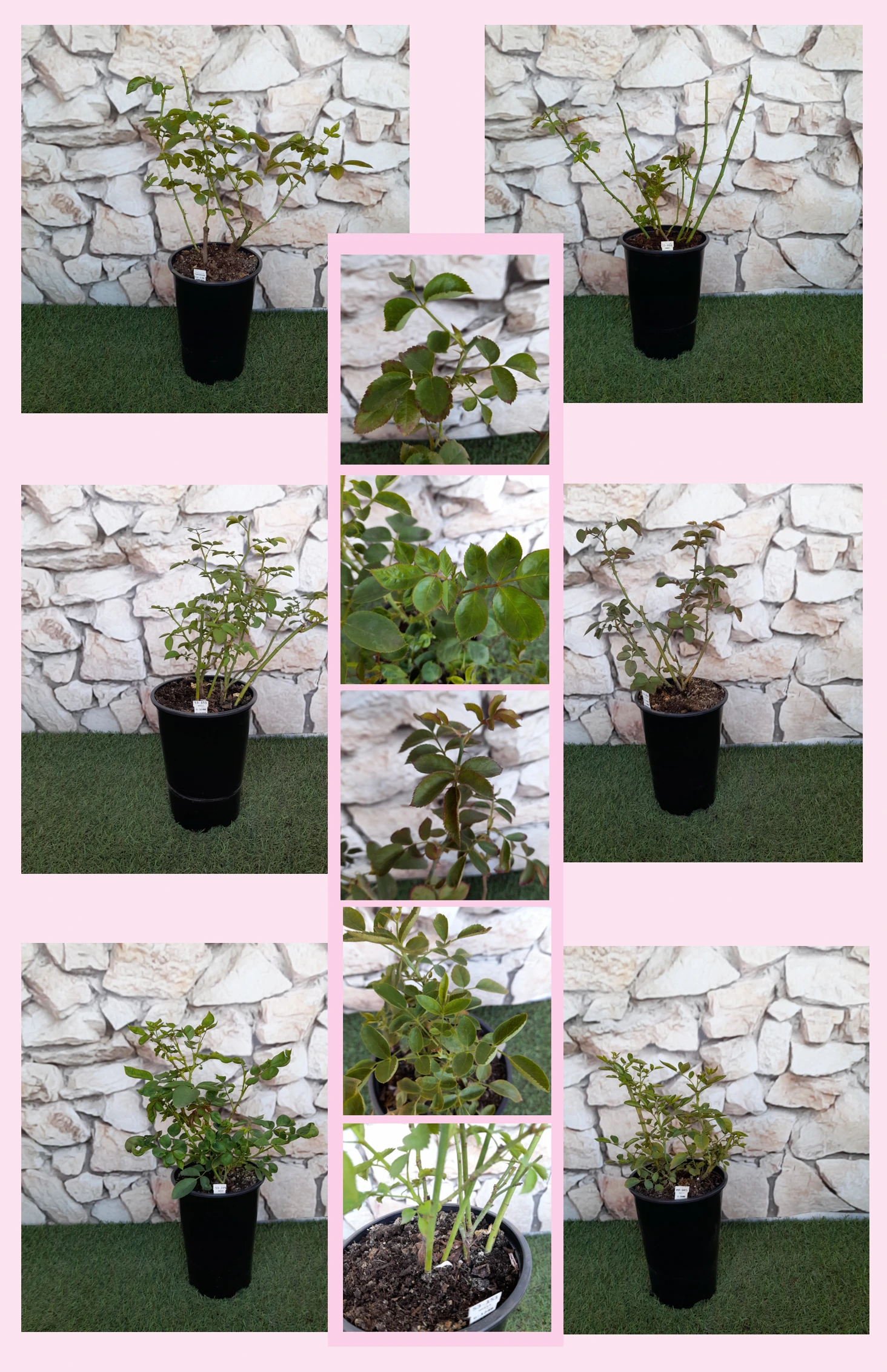
Step into the soft, romantic world of Ispahan, a heritage Damask shrub rose that turns a small Irish garden into a gentle June dream. Masses of medium-sized, very full rosette blooms in warm pink shades release a deep, garden-filling perfume that lingers in the air even on misty mornings. Bushy, upright growth and robust hardiness make it well suited to Irish cottage borders and Dublin front gardens, coping calmly with moist soil and Atlantic showers when drainage is decent. Once-established own-root plants are quietly reliable, building strength year by year for a truly long-lived hedge or specimen. In the first growing seasons the roots settle, then the framework expands, and from the third summer you enjoy full ornamental impact with fountains of pastel blooms and an atmosphere of relaxed, old-world charm.
Usage options
| Target area |
Reasoning |
| Romantic cottage-garden hedge |
Ispahan’s tall, bushy habit and sparingly thorned shoots create a soft, people-friendly boundary that flowers along its full length in early summer. Once the hedge is formed, maintenance is mainly limited to an annual trim, offering dependable structure with little ongoing effort for the busy homeowner. |
| Strong June focal point in a family garden |
The once-a-year flowering is concentrated into a spectacular, weeks-long display of scented pink rosettes, giving a clear “high season” in June without demanding deadheading every weekend. This suits gardeners who like a big moment of beauty and then a calm green backdrop for the rest of the summer, especially the time-conscious beginner. |
| Fragrant feature near seating or paths |
Its very strong, classic Damask fragrance carries on still evenings and in light drizzle, so placing it beside a bench, patio or path turns even a short walk into a scented ritual. You simply keep the soil mulched and watered in dry spells, while enjoying a naturally perfumed corner as a fragrance-loving owner. |
| Low-input structure for clay-based gardens |
Once established, Ispahan tolerates moderate drought and typical Irish moisture, provided you improve drainage at planting with grit or organic matter. This makes it a forgiving choice for heavier soils where some modern roses struggle, supporting gardeners who want reliable shrubs rather than intensive borders as the practical city-gardener. |
| Long-lived own-root specimen shrub |
As an own-root rose, Ispahan renews itself from its own base rather than from a graft, so storm damage or old wood can be pruned out without fear of losing the variety. Over the years the plant matures into a stable, characterful shrub, appealing to the long-term planner. |
| Relaxed, slightly shaded corners |
This rose copes with partial shade, so it works well against an east-facing wall or in light dappled shade, where flowers last longer and colours stay soft and cool. With its medium disease resistance, an occasional check-up is usually enough, suiting the calm home-gardener. |
| Traditional mixed hedge with flowering shrubs |
Its classic form and medium density foliage blend easily with mock orange and coloured-stem dogwoods to make a wildlife-friendly, old-fashioned boundary. Once your hedge is mature, most of the work is a light winter tidy, which fits the needs of the heritage-leaning gardener. |
| Large container on a sheltered terrace |
In a large pot of at least 40–50 litres with good drainage, Ispahan can be grown as a striking container shrub, its strong fragrance enjoyed close to windows and doors while coping well with the cool, damp spells of an Irish season where showers are frequent and sunshine comes in gentle bursts, matching the expectations of the urban balcony-owner. |
Styling ideas
- Cottage‑hedge charm – Plant a loose, single-species hedge of Ispahan along a front boundary, underplant with foxgloves and hardy geraniums – ideal for nostalgic cottage-garden fans
- Perfumed entrance – Flank a garden gate or front path with two shrubs, combining them with lavender and catmint to echo the strong Damask scent – perfect for fragrance-focused homeowners
- Pastel June border – Use Ispahan as a tall backdrop with peonies, campanulas and soft grasses in front, relying on its once-a-year display for a calm maintenance rhythm – suited to relaxed weekend gardeners
- Heritage mixed hedge – Alternate Ispahan with mock orange and dogwoods for seasonal flowers, scent and winter stem colour while keeping pruning quite simple – good for family gardens needing gentle privacy
- Statement container – Grow one plant in a large 50-litre pot near a seating area, with trailing thyme or violas at the base to soften the edge – attractive for terrace and small-courtyard owners
Technical cultivar profile
| Characteristic |
Data |
| Name and registration |
Ispahan is a historic Damask shrub rose, also listed as Ispahan Heritage rose; an old, unregistered cultivar used in heritage and collector plantings. |
| Origin and breeding |
Probable natural selection from Rosa × damascena, of unknown breeder; documented before 1832 and widely spread through European gardens as a classic Damask rose. |
| Awards and recognition |
RHS Award of Garden Merit (1993); American Rose Society Dowager Rose Queen (1998); Longwood Gardens Certificate of Merit; Montréal Botanical Garden “highly disease-resistant”. |
| Growth and structural characteristics |
Bushy shrub 160–220 cm high and 130–180 cm wide, with moderately dense, grey-green foliage and sparsely thorned stems; medium self-cleaning of spent blooms simplifies care. |
| Flower morphology |
Small rosette-shaped clusters, 1–4 cm across, with 40+ petals creating very full flowers; once-flowering in early summer, producing abundant clusters on established wood. |
| Colour data and phenology |
Warm medium pink buds open to pastel pink, then fade to near silk white with soft powder-pink edges; colour lasts longer in cool weather and soft light than in strong sun. |
| Fragrance and aroma |
Very strong, garden-filling Damask scent with deep, traditional rose notes; ideal for perfumed gardens and planting near paths, doors and seating for maximum enjoyment. |
| Hip characteristics |
Hip set is generally poor because of the very double blooms; when produced, hips are ellipsoidal, orange-red and around 15–22 mm in diameter late in the season. |
| Resistance and winter hardiness |
Hardy to about −32 to −29 °C (USDA 4b, RHS H7); medium resistance to black spot and powdery mildew, good rust resistance; needs occasional protection in humid seasons. |
| Horticultural recommendations |
Use as specimen, hedge, or park shrub; space 130–210 cm depending on role. Prefers fertile, well-drained soil; suitable for partial shade; water during prolonged dry periods. |
Ispahan offers a once-a-year cascade of scented pink flowers, sturdy hedge-forming growth and long-lived own-root reliability; a thoughtful choice if you value romantic character with modest maintenance.