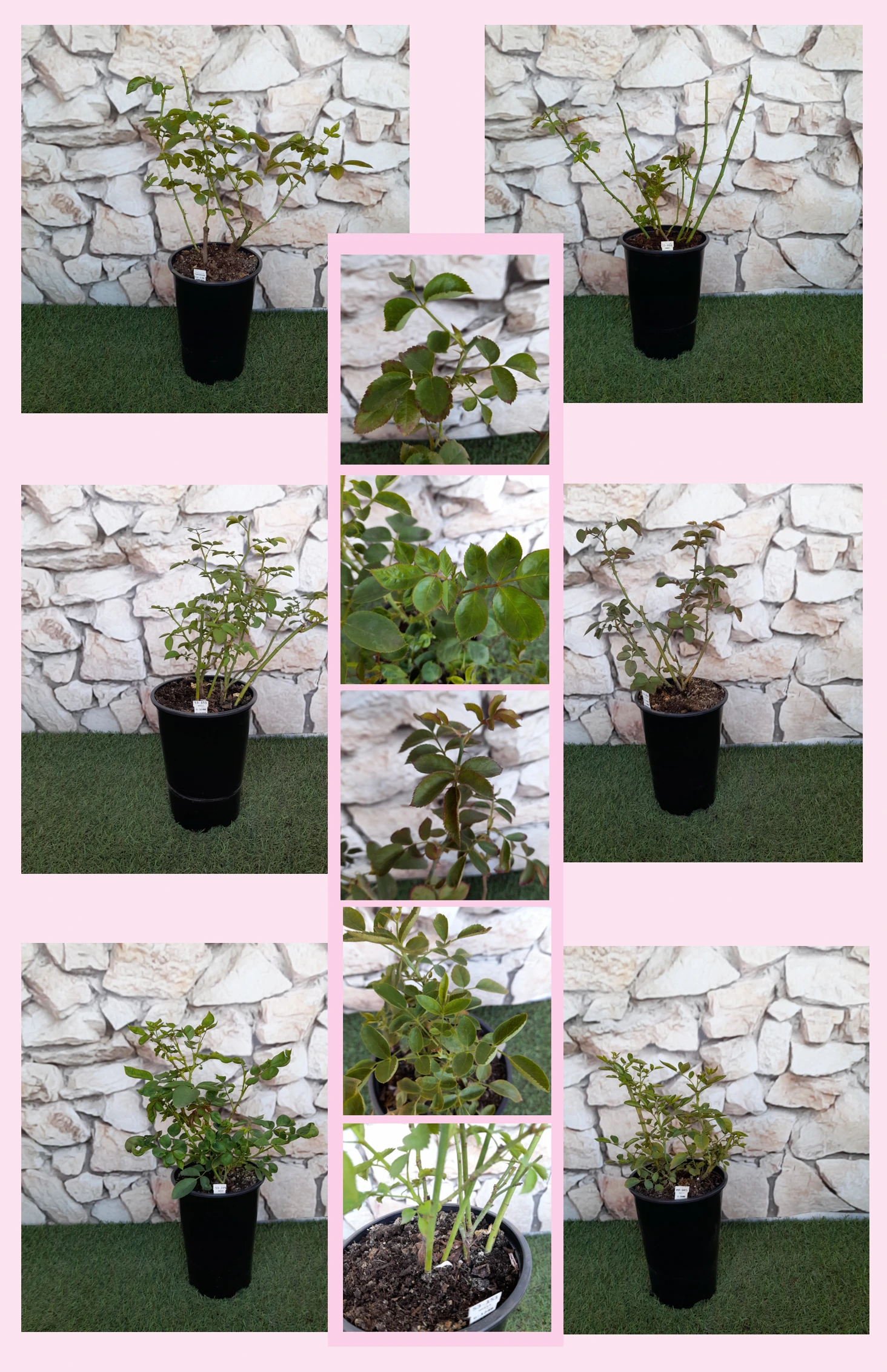
ISABELLE JOERGER – pastel yellow hybrid tea rose - Barth
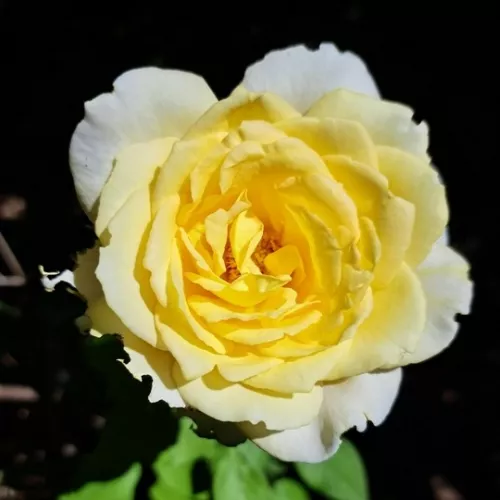
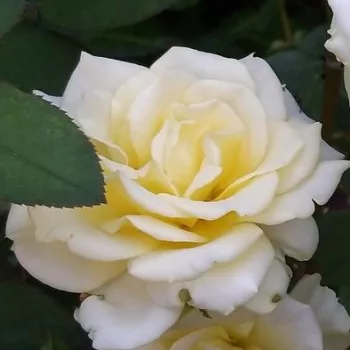
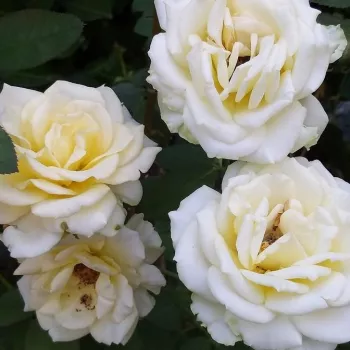
Imagine stepping outside after a soft shower, your front path edged with buttery blooms glowing in gentle light, their mild, sweet-fruity fragrance drifting on the air while the foliage stays reassuringly glossy. ISABELLE JOERGER is an elegant hybrid tea rose that brings classic, high-centred blooms to Irish cottage gardens and Dublin terraces alike, flowering generously through our shorter summers with a reliable second flush. Semi-double petals open enough to welcome bees and butterflies, yet still look refined in a vase or as an exhibition-quality cut flower. Grown on its own roots for long-term stability and easy renewal after pruning or weather damage, it settles in steadily over the first season and then builds up, so by the third year you enjoy its full ornamental presence, even where rain, wind and cool spells often interrupt garden plans.
Usage options
| Target area |
Reasoning |
| Cottage-style front garden feature |
The erect habit and high-centred pastel-yellow blooms give a classic look that fits beautifully beside low walls, gates and paths, creating a welcoming focal point without taking over a small garden. Ideal for fragrance-loving beginners. |
| Cutting patch for home bouquets |
Large, pointed buds on strong stems are perfect for cutting, and the pastel tones blend easily with most indoor colour schemes, so you can enjoy your own garden flowers in vases for much of the season. Suits time-poor homeowners. |
| Pollinator-friendly mixed border |
Semi-double blooms offer some access to nectar and pollen, bringing gentle movement from bees and butterflies while still looking refined among perennials and grasses, adding life and interest to family borders. Attractive for nature-oriented gardeners. |
| Small family garden specimen rose |
With a final height around 80–110 cm and dense, dark green leaves, one plant can stand confidently on its own without dominating, giving you a tidy, balanced shrub that looks good close to windows or patios. Ideal for compact-garden owners. |
| Container on sunny terrace or doorstep |
Its upright structure and moderate spread suit a large pot, and in a 40–50 litre container with good drainage it flowers well through the season, adding soft colour and scent right where you sit or step outside. Perfect for busy urban residents. |
| Low-maintenance pastel colour scheme |
The warm lemon-yellow opening shade that fades to cream-white means fading flowers still look gentle and clean, helping the bed stay attractive between deadheading sessions and reducing the sense of ongoing garden chores. Helpful for relaxed gardeners. |
| Long-term planting in family garden |
As an own-root rose it develops a durable root system that copes well with routine pruning and occasional setbacks, giving a stable, long-lived plant whose ornamental value you can rely on for many years. Reassuring for long-horizon planners. |
| Irish cottage border in rainy, cool areas |
Moderate disease resistance and a remontant habit mean it continues to flower again after early blooms are spoiled by wet weather, keeping the border cheerful even when sunshine is scarce and showers are frequent. Suitable for Atlantic-coast gardeners. |
Styling ideas
- Cottage-curve – Plant in a gentle curve by a path with Geranium 'Rozanne' weaving around its feet for blue summer clouds – ideal for informal front-garden romantics.
- Pastel-duet – Combine with blue fescue mounds for contrast between soft lemon blooms and cool blue foliage – good for those who like simple, tidy pairings.
- Doorstep-vase – Grow in a 50 litre container by the front door so you can cut stems easily for the house – perfect for busy people who still want home-grown bouquets.
- Evening-nook – Place near a bench or patio where the mild, sweet-fruity scent can be appreciated at close quarters – suited to small terraces and balcony-style spaces.
- Soft-hedge – Space plants 50–60 cm apart for a low, airy row that lines a driveway or boundary without feeling heavy – ideal for family gardens needing gentle structure.
Technical cultivar profile
| Parameter |
Data |
| Name and registration |
Hybrid tea rose, registered as BARmarisa, marketed as Isabelle Joerger Hybrid tea rose BARmarisa; Rós taehibride type, premium bronze merit rating for garden and cutting use. |
| Origin and breeding |
Bred by René Barth at Roseraies Barth, France, with introduction in 2016; parentage not recorded, developed as a refined garden and cut-flower hybrid tea for modern plantings. |
| Growth and structural characteristics |
Erect shrub 80–110 cm high, 50–70 cm wide, dense, dark green, glossy foliage, moderately thorny stems; forms a balanced, upright outline suitable for beds, borders and containers. |
| Flower morphology |
Semi-double, high-centred, pointed-bud hybrid tea blooms, typically solitary on stems; 13–25 petals and 7–10 cm across, remontant with particularly abundant second flowering flush. |
| Colour data and phenology |
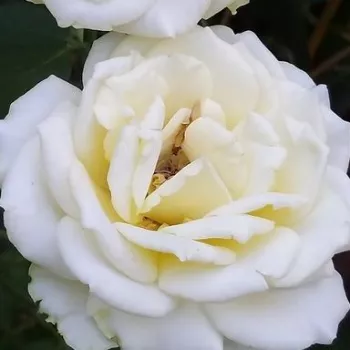
Pale creamy-yellow base with buttery-yellow centre; ARS YB, RHS 158D outer, 4C inner; opens warm lemon-yellow, then fades to pastel cream-white edges with a soft central glow. |
| Fragrance and aroma |
Mild but noticeable sweet-fruity rose scent, best appreciated at close range or in sheltered spots; fragrance adds charm without overwhelming nearby seating or small enclosed spaces. |
| Hip characteristics |
Hip set generally low because of semi-double form and regular deadheading; where present, small ellipsoidal orange-red hips about 10–14 mm may develop late in the season. |
| Resistance and winter hardiness |
Hardy to about -21 to -18 °C (RHS H7, Swedish zone 3, USDA 6b); moderate resistance to black spot, mildew and rust; prefers sunny, airy sites for best health and flowering. |
| Horticultural recommendations |
Best in full sun with well-drained, fertile soil; spacing 50–90 cm depending on use; suitable for beds, specimens, large containers over 40 litres, and cutting gardens with moderate care. |
ISABELLE JOERGER offers classic high-centred pastel-yellow blooms, gentle sweet-fruity fragrance and long-lived own-root reliability, making it a thoughtful choice for Irish gardens where you prefer beauty with modest effort.