IRIS HONEY – cream-coloured hybrid tea rose
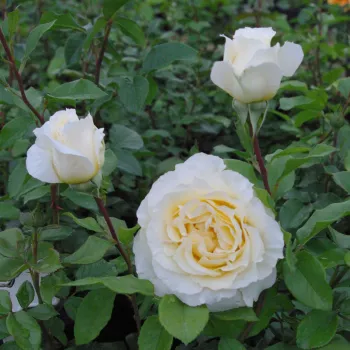
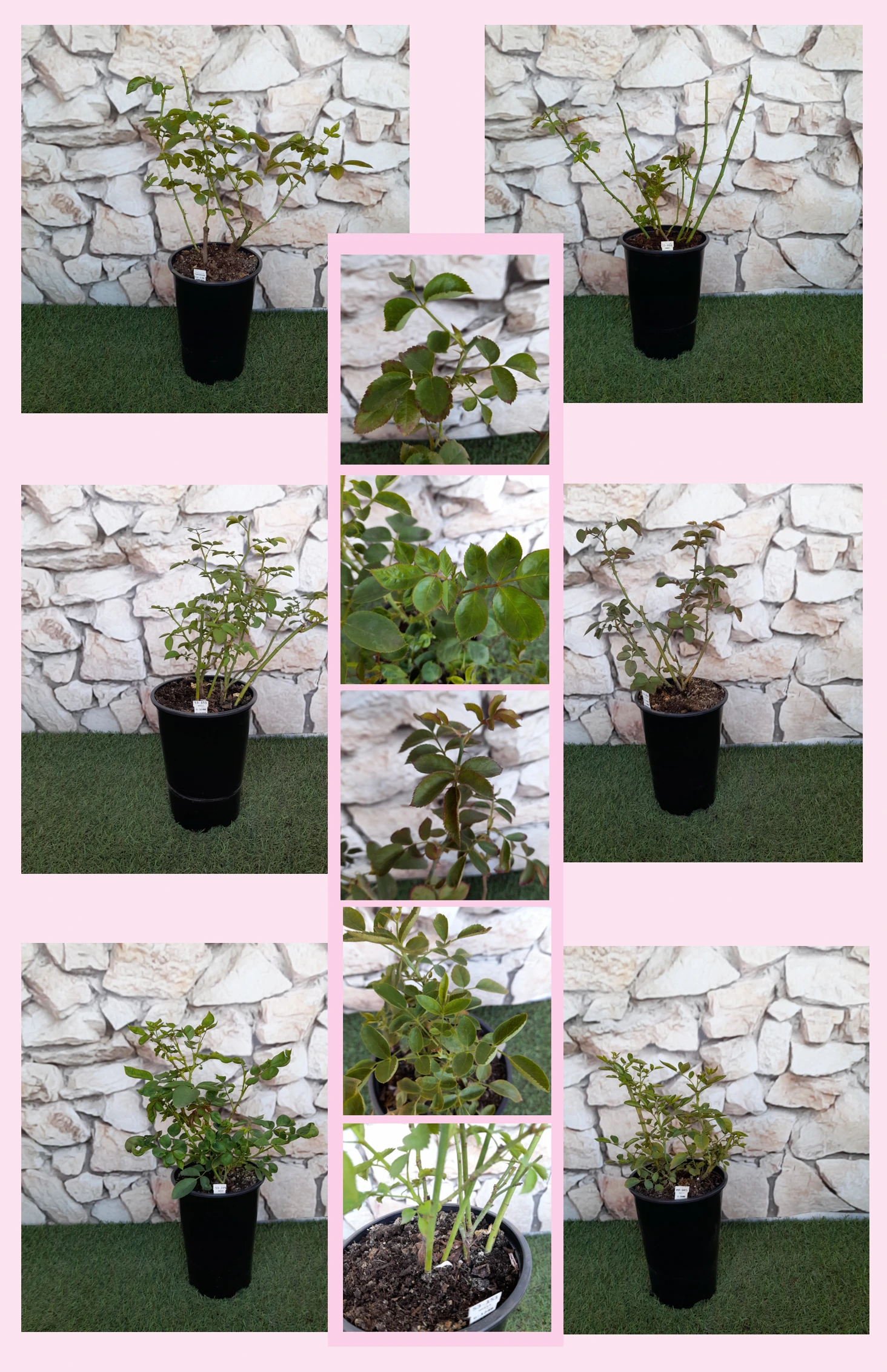
Step outside after a shower and you can imagine IRIS HONEY glowing softly in your front garden – a quietly romantic hybrid tea rose with creamy blooms that sit beautifully in Irish cottage borders and Dublin terraces alike. Its gently rosy fragrance is light but real when you lean in, while the upright, bushy habit keeps plants neat and easy to manage beside paths or windows. Bred with strong resistance to the main fungal diseases, it is well suited to our damp, changeable weather and blustery coastal air where rainfall is frequent and summer spells are short. Long, elegant stems give you excellent cut flowers, and remontant flowering means flushes of buds and blooms returning from early summer into autumn. As an own-root plant, it offers reassuring longevity and the ability to recover well after pruning or setbacks, building from establishing roots in year one to fuller top growth in year two and then a really settled, mature presence by year three.
Usage options
| Target area |
Reasoning |
| Front garden feature by the door |
The upright, bushy structure and 95–125 cm height make IRIS HONEY perfect for framing a doorway or path without overwhelming a small front garden. Its soft cream blooms read clearly against brick or render, keeping things bright but not loud. Own-root plants build a stable shape over the years with minimal rejuvenation pruning, ideal if you just want something reliable to welcome guests and householders, especially beginners. |
| Mixed cottage-style border |
With double, ball-shaped flowers and dense, matt foliage, this rose slots easily into an informal cottage border among perennials such as salvias and yarrow. Its remontant habit keeps colour coming back through the season, even in cooler Irish summers. Disease resistance to black spot, mildew and rust reduces the need for sprays, fitting a relaxed, nature-leaning planting style that appeals strongly to hobby-gardeners. |
| Low-maintenance family back garden |
The variety’s generally low maintenance, combined with solid disease resistance, means less time spent on problem-solving and more time simply enjoying the garden. Own-root growth gives good recovery if children’s footballs or pets are occasionally unkind. Over a few seasons, the shrub fills out into a durable, attractive feature that suits busy homeowners. |
| Small-space city terrace or townhouse bed |
IRIS HONEY’s compact spread of 80–110 cm and upright habit make it a smart choice for slim beds along railings or in narrow front plots. The soft colour keeps hard urban lines from feeling stark, and modest fragrance can be appreciated at close quarters on short daily walks. The plant copes well where light levels and air movement are constrained, a real plus for urban-dwellers. |
| Cut-flower corner or picking bed |
Large 7–10 cm blooms with a classic hybrid tea form and long, straight stems lend themselves beautifully to cutting for vases. The mild rosy scent is subtle indoors, ideal if you prefer something refined rather than overpowering. Repeating flushes provide a steady trickle of stems from early summer onwards, making every home arrangement feel a little more special for enthusiastic flower-lovers. |
| Informal cream hedge or boundary line |
Planted at around 50 cm intervals, IRIS HONEY can create a loose, romantic row to edge a drive or lawn. The consistent cream tone and steady height help the hedge read as a unified feature while remaining soft in character. In Irish conditions with regular rain and humidity, its resistant foliage stays presentable for much of the season, which is reassuring for time-pressed gardeners. |
| Feature rose in a 40–50 litre container |
In a large, well-drained pot of at least 40–50 litres, IRIS HONEY becomes a moveable highlight for patios or balconies. The bushy habit fills a container attractively, while own-root vigour supports long-term performance if you refresh the compost surface and feed yearly. Good disease resistance means fewer worries about leaves spoiling in close quarters, which suits busy city-residents. |
| Long-term “heirloom” plant in a family garden |
As an own-root rose, IRIS HONEY is not dependent on a graft union, so it can regenerate from its base if damaged and maintain a consistent appearance over many years. Hardiness down to about -25 °C and resistance to the main rose diseases provide security for long-term planting. Over time, this makes it a quietly dependable choice for sentimental or commemorative spots valued by families. |
Styling ideas
- Cottage-cream – weave IRIS HONEY through a cottage border with Salvia nemorosa and yarrow for a pastel, slightly wild look – ideal for romantic, nature-minded homeowners
- Terrace-frame – place two IRIS HONEY either side of a front door, underplanted with low catmint, to soften brickwork – suited to compact Dublin terraces
- Sundown-bouquet – dedicate a small bed to IRIS HONEY with soft grasses for reliable cut flowers – perfect for those who like arranging homegrown blooms
- Cream-hedge – line a path with a single row of IRIS HONEY to form a gentle, flowering boundary – good for families wanting structure without harsh formality
- Patio-centre – grow IRIS HONEY in a generous 50 litre pot with trailing thyme at the rim for scent and softness – great for busy urban gardeners with limited ground
Technical cultivar profile
| Property |
Data |
| Name and registration |
IRIS HONEY is a hybrid tea rose (Rós taehibride) marketed as a cream-coloured garden and cut-flower variety; formal registration details and breeder registration name are not currently recorded. |
| Origin and breeding |
The precise parentage, breeder and year of origin are undocumented; introduced through commercial channels for garden use rather than exhibition, with no confirmed breeding programme details available. |
| Growth and structural characteristics |
Forms an upright, bushy shrub about 95–125 cm tall and 80–110 cm wide, with dense, matt light-green foliage and moderate prickles, giving good garden presence without becoming overbearing in smaller spaces. |
| Flower morphology |
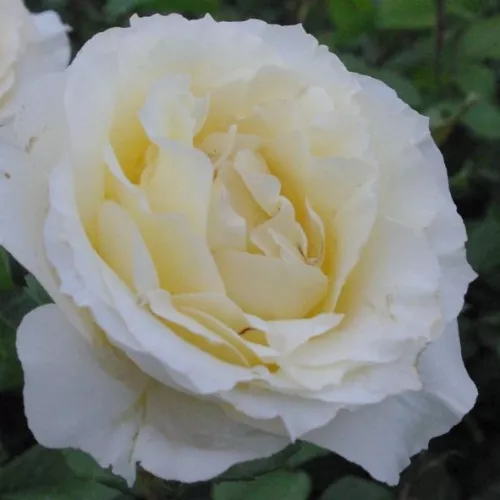
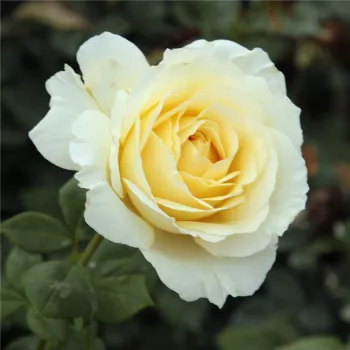
Produces large 7–10 cm double, ball to pompon-type blooms with 26–39 petals, mainly borne singly on stems; flowers are remontant, with abundant first and second flushes through the season. |
| Colour data and phenology |
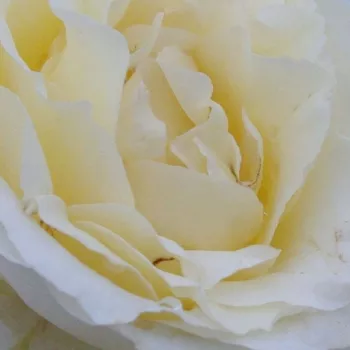
Displays warm butter-yellow opening buds that fade to soft cream and finally creamy white; inner petals show a subtle pearlescent sheen, and overall colour fade is moderate even in brighter summer light. |
| Fragrance and aroma |
Fragrance is gently rosy, mild and detectable mainly at close range, offering a pleasant but unobtrusive scent that suits seating areas, terraces and cut-flower use without overwhelming nearby spaces. |
| Hip characteristics |
Occasionally develops small, rounded rose hips around 10–16 mm in diameter; hips are not a dominant ornamental feature but may appear sporadically if spent flowers are not removed. |
| Resistance and winter hardiness |
Shows strong resistance to black spot, powdery mildew and rust, supporting low-input care; rated hardy around -26 to -23 °C (H7, USDA 5b), suitable for most Irish garden situations without special winter protection. |
| Horticultural recommendations |
Best used as a border, cut-flower or specimen rose; plant at 60 cm for groups, 50 cm for hedging or 100 cm for single specimens, ensuring good drainage and mulching to stabilise moisture on heavier soils. |
IRIS HONEY offers soft cream hybrid tea blooms, reliable repeat flowering and strong disease resistance on a long-lived own-root shrub, making it a thoughtful choice if you’d like a graceful, low-fuss rose to grow on with you.