HORJASPER – red climbing rose - Horner
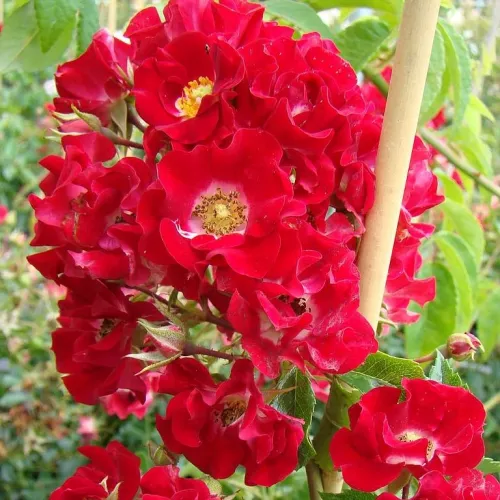
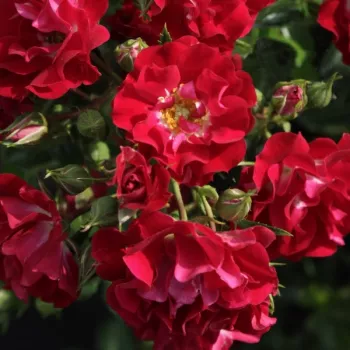
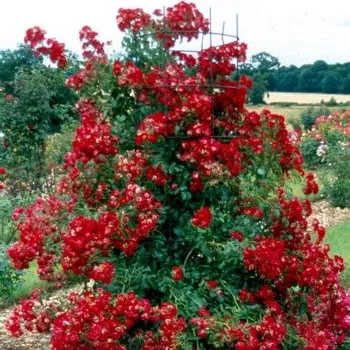
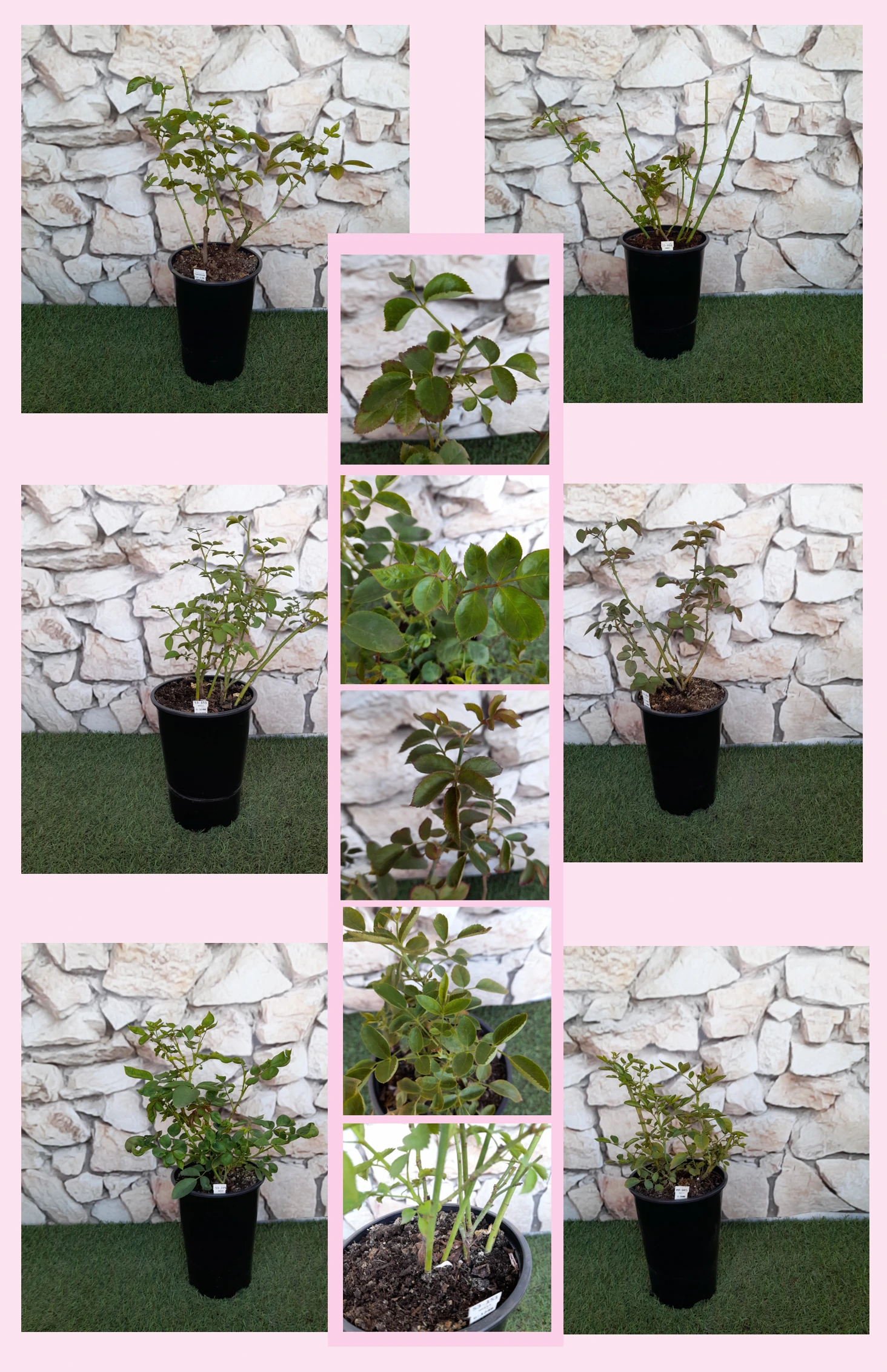
Bring a touch of cottage-garden magic to your home with HORjasper, a repeat-flowering rambler bred for exuberant colour rather than fuss. Its scarlet-red clusters with white eyes create a playful, girly look along Dublin terraces and Irish country walls, while coping calmly with rainfall and moist Atlantic air. On its own roots it settles in steadily, rewarding you with a long, reliable lifespan and the reassuring ability to regenerate if weather or pruning are less than perfect. Think of it as a gentle, three-year story of roots, then shoots, then a full curtain of flowers, with self-cleaning blooms that keep the display neat. Give it a simple, well-drained spot, some support and light seasonal care, and you can enjoy months of cheerful colour in a compact family garden without needing expert skills.
Usage options
| Target area |
Reasoning |
| Small Dublin front garden façade |
Ideal where ground space is tight but you want strong street-side impact: HORjasper’s tall, climbing habit lets you dress a house wall or railings in vivid red without losing room for bins, bikes or children’s play, suiting the busy urban homeowner. |
| Irish cottage wall or gable |
The classic rambling look, with clusters of scarlet and white-eyed blooms, softens stone or rough render and fits perfectly with informal cottage planting, appealing to romantically minded gardeners. |
| Family garden pergola or rose arch |
Train HORjasper over a pergola or arch to create a flower-laden walkway; self-cleaning blooms drop their petals neatly, keeping the seating or play area below easier to maintain for time-pressed parents. |
| Screening a fence between neighbours |
Use its dense, dark green foliage and long canes to blur boundaries and add privacy; the repeat flowering keeps the fence cheerful through much of the short Irish summer for sociable families. |
| Part-shaded side passage |
Suited to partial shade, HORjasper will still throw out colourful clusters where many roses sulk, brightening narrow side passages or north-east aspects for pragmatic, space-conscious owners. |
| Large container by the front door |
In a 40–50 litre container with good drainage, this climber can frame a doorway or bay window, giving a welcoming cottage feel without needing to dig up paving, ideal for renters and small-plot gardeners. |
| Long-season feature in mixed border |
Its remontant habit provides waves of colour from early summer into autumn; even during wet spells and soft Atlantic light the clusters keep performing, which suits gardeners who like reliable, repeating displays. |
| Wildlife-accented but ornamental corner |
Semi-double flowers offer occasional forage to insects, and modest orange-red hips add autumn interest; pair with cranesbills and grasses for a natural feel that still looks cared-for, attracting nature-oriented, fragrance-curious buyers. |
Styling ideas
- Cottage Archway – Train HORjasper over a simple wooden arch, underplant with pink geraniums and foxgloves for a storybook entrance – for cottage-garden dreamers.
- Terraced Calm – Use against a small brick façade with pots of lavender and thyme at the base to soften the street edge – for city homeowners wanting gentle colour.
- Family Pergola – Let its long canes scramble over a seating pergola, with shade-tolerant cranesbills below to catch falling petals – for parents seeking low-fuss charm.
- Romantic Screen – Combine HORjasper on wires with common ivy along a boundary to create a textured, semi-evergreen screen – for neighbours who like soft privacy.
- Container Welcome – Grow in a large tub by the front door, underplanted with trailing herbs for scent and easy care – for beginners and busy urban gardeners.
Technical cultivar profile
| Property |
Data |
| Name and registration |
Repeat-flowering rambler, registered as HORjasper, traded as Horjasper Climbing rose HORjasper, exhibition name Rambling Rosie; part of the climbing rose collection, premium silver merit rating. |
| Origin and breeding |
Bred by Colin P. Horner in the United Kingdom from Super Excelsa × (Baby Love × Golden Future), breeding year 2001, introduced and registered in 2005 via Warner’s Roses. |
| Awards and recognition |
Gold Standard Rose Trials Gold Standard Award 2007, RHS Award of Garden Merit 2012, Glasgow Rose Trials Golden Prize 2010, Hague Rose Trials Bronze Certificate 2010, confirming reliable ornamental value. |
| Growth and structural characteristics |
Strong climbing habit reaching about 300–500 cm in height with 100–220 cm spread, densely thorny shoots and dark, glossy foliage providing good coverage for arches, pergolas, pillars, fences and walls. |
| Flower morphology |
Semi-double, flat, cluster-flowered blooms, typically 13–25 petals and 1–4 cm across; remontant character with a second flush that is also abundant, and good self-cleaning so most spent petals fall away unaided. |
| Colour data and phenology |
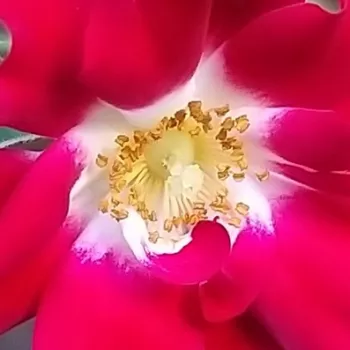
Intense scarlet-red flowers with a white eye; buds deep scarlet, opening to vivid red with delicate white centres, then fading to carmine-red with almost pure white eye; excellent colour retention throughout repeated blooming. |
| Fragrance and aroma |
Very faint, barely perceptible rose scent; fragrance plays a minor role compared with the striking colour effect and floriferous clusters, so best chosen for visual impact rather than for perfume-led planting schemes. |
| Hip characteristics |
Forms moderate quantities of small, spherical orange-red hips about 6–10 mm in diameter, adding a gentle touch of autumn interest without dominating the plant’s overall ornamental effect in the garden. |
| Resistance and winter hardiness |
Hardy to about −21 to −18 °C (RHS H7, USDA 6b, Swedish zone 3); good heat and moderate drought tolerance, but only moderate resistance to powdery mildew and black spot and highly susceptible to rust. |
| Horticultural recommendations |
Best on well-drained soil with regular feeding and fungicidal protection; spacing 140–240 cm depending on use, suitable for partial shade and large containers of at least 40–50 litres with strong support structures. |
HORjasper offers exuberant climbing colour, repeat flowering over a long season and dependable coverage, while its own-root form supports resilience and longevity; consider it if you want a lasting feature with characterful cottage charm.