HONEY DIJON™ – yellow bedding grandiflora rose - Sproul
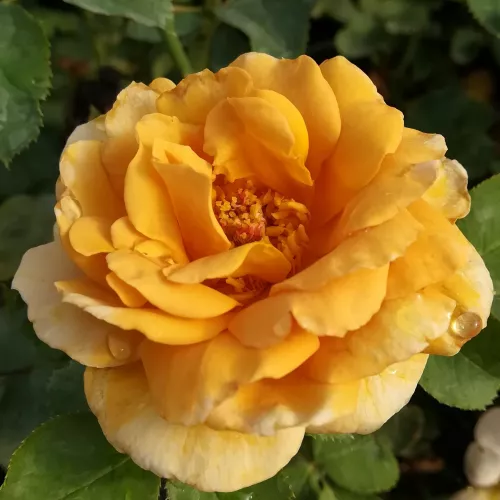
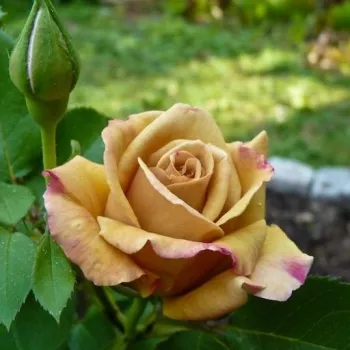
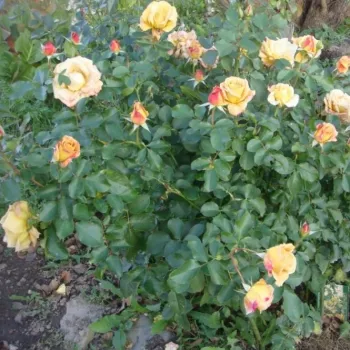
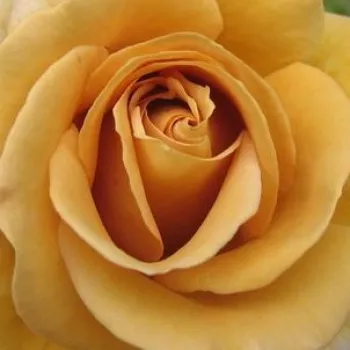
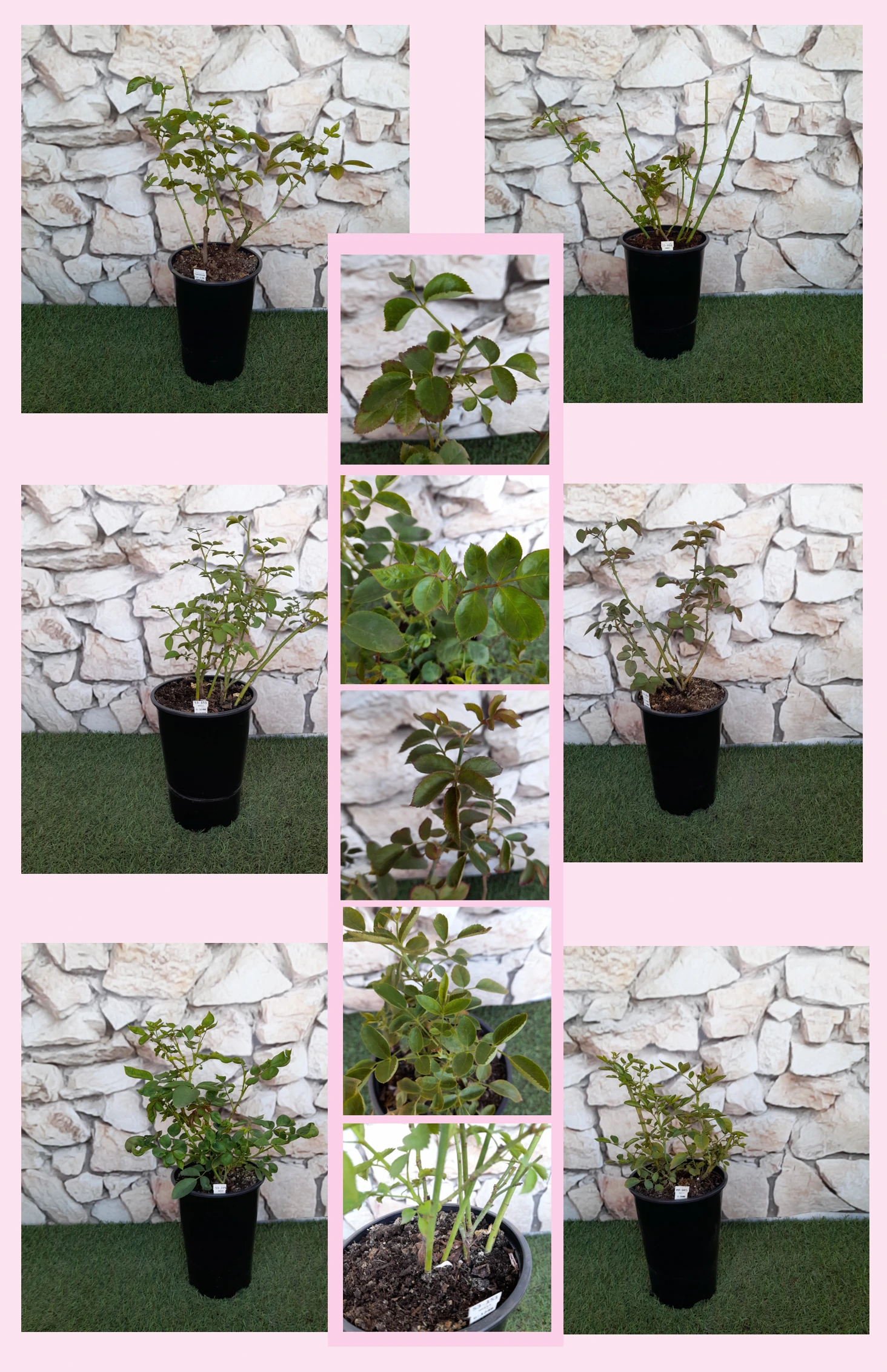
If you love character roses with a twist, HONEY DIJON™ brings warm, caramel-gold blooms and a strong, fruity perfume to small Irish gardens without demanding fussy care. Its upright, grandiflora habit fits cottage-style borders and Dublin terrace fronts, while own-root plants give reassuring longevity, quietly rebuilding after weather knocks to maintain stable beauty. From planting to maturity the pattern is simple: first it invests in roots, then sturdy shoots, and by the third season you enjoy its full ornamental presence even in gardens where frequent showers and soft, salt-tinged breezes meet mild summers.
Usage options
| Target area |
Reasoning |
| Front garden focal point |
Plant one HONEY DIJON™ near your entrance or along a short path and let the antique honey-gold flowers and tall, upright shape act as an instant welcome; the strong, fruity fragrance greets you each time you pass, ideal for fragrance-loving homeowners. |
| Cottage-style mixed border |
Use in a mixed border with airy perennials to echo an Irish cottage feel; the warm caramel-gold tones weave beautifully through softer greens and pinks, while its reliable remontant habit gives colour from early summer well into autumn for relaxed hobby gardeners. |
| Cutting patch for home bouquets |
Grow several plants in a sunny bed at the back of the garden and harvest the long-stemmed clusters for the house; the large, double, florist-style blooms hold both colour and scent well in the vase, suiting creative garden owners who love arranging flowers. |
| Statement container on patio |
In a large pot of at least 40–50 litres with good drainage, HONEY DIJON™ becomes a movable feature, giving you rich colour and scent on balconies, small patios, or rented spaces where soil is limited and flexibility matters to busy urban gardeners. |
| Small hedge or low divider |
Planted at 55 cm spacings, its upright habit and dense, glossy foliage form a low, semi-formal divider between seating and lawn; the repeating flushes of bloom soften the line and bring seasonal interest, appreciated by practical family-garden planners. |
| Feature in heavy-clay Irish beds |
With improved drainage through grit and organic mulch, this own-root rose establishes steadily in typical Irish clay, its robust structure coping well where frequent rain and gentle coastal breezes meet mild summers, reassuring less-experienced beginner gardeners. |
| Long-term garden “anchor” rose |
As an own-root, premium-grade plant, HONEY DIJON™ is bred for staying power; if weather or pruning knock it back, it regenerates from its own wood, keeping the same colour and character over many years for long-term, value-conscious garden owners. |
| Showpiece for rose enthusiasts |
With its exhibition-grade background, distinctive mustard-honey colouring and fruity scent, this variety rewards a little shaping and feeding, offering a refined, unusual bloom style that appeals particularly to collectors and detail-focused rose connoisseurs. |
Styling ideas
- Cottage-Glow Border – weave HONEY DIJON™ among foxgloves, hardy geraniums and campanulas for a soft, storybook cottage effect – ideal for romantic, nature-oriented gardeners.
- Amber-Accent Entrance – flank a front door or gate with two container-grown plants, underplanted with trailing thyme, for a warm amber welcome – suited to busy city homeowners.
- Heritage-Cut Corner – dedicate a small sunny bed to 3–5 bushes with Crocosmia and Liatris, creating a cutting patch with movement and structure – perfect for home bouquet makers.
- Soft-Screen Hedge – line a path or play area with a low hedge, interplanting lavender for scent and definition that still feels informal – great for family gardens needing gentle boundaries.
- Gold-and-Plum Drift – mix HONEY DIJON™ with purple loosestrife and deep-plum heucheras for moody contrast that shines in soft light – appealing to design-conscious, colour-focused gardeners.
Technical cultivar profile
| Attribute |
Data |
| Name and registration |
Grandiflora bedding rose; registered as WEKsproulses, traded as Honey Dijon™. ARS Approved Exhibition Name: Honey Dijon. Part of the bedding rose collection aimed at premium ornamental use. |
| Origin and breeding |
Bred by James A. Sproul in the United States from ‘Stainless Steel’ × ‘Singin’ in the Rain’. Introduced by Weeks Wholesale Rose Grower, Inc. in 2005 after 2003 registration. |
| Awards and recognition |
Bronze medal at the National Rose Trial Garden of Australia (2003) and First Season Certificate of Merit at Rose Hills International Rose Trials (2005), confirming strong ornamental merit. |
| Growth and structural characteristics |
Upright grandiflora habit reaching about 110–150 cm high and 75–105 cm wide. Dense, mid-green glossy foliage with moderate prickles. Best in sunny positions with regular watering during dry spells. |
| Flower morphology |
Large, 7–10 cm double, cup-shaped blooms with 26–39 petals. Flowers borne in clusters of 3–5 per stem. Remontant, giving a generous second flush and further repeat flowering through the season. |
| Colour data and phenology |
Warm honey-gold flowers with a bronzed, caramel tone; deeper copper shades in cooler weather. ARS colour code yb; RHS 165A outer, 164A inner. Colour lightens toward beige-gold in heat as blooms age. |
| Fragrance and aroma |
Distinct, strong and long-lasting scent with a sweet, fruity character. Suitable for positioning close to paths, doors or seating to enjoy daily, and valued for fragranced cut stems indoors. |
| Hip characteristics |
Occasional small, spherical orange-red hips, roughly 10–14 mm in diameter. Decorative in late season but not produced in heavy quantities, as the cultivar is primarily grown for its flowers. |
| Resistance and winter hardiness |
Rated H7, hardy to about −21 to −18 °C (USDA 6b, Swedish Zone 3). Medium resistance to black spot, powdery mildew and rust; benefits from good air circulation and basic preventative care. |
| Horticultural recommendations |
Best in full sun with fertile, well-drained soil; spacing 65 cm in beds, 55 cm for hedges, 100 cm as specimens. Suitable for containers from 40–50 litres upward, mass plantings and cutting gardens. |
HONEY DIJON™ rewards you with unusual caramel-gold blooms, a strong fruity fragrance and upright structure, while its own-root form supports long-term reliability and easy maintenance, making it a thoughtful choice for your garden planning.