Rambling Rector – white historic rambling rose
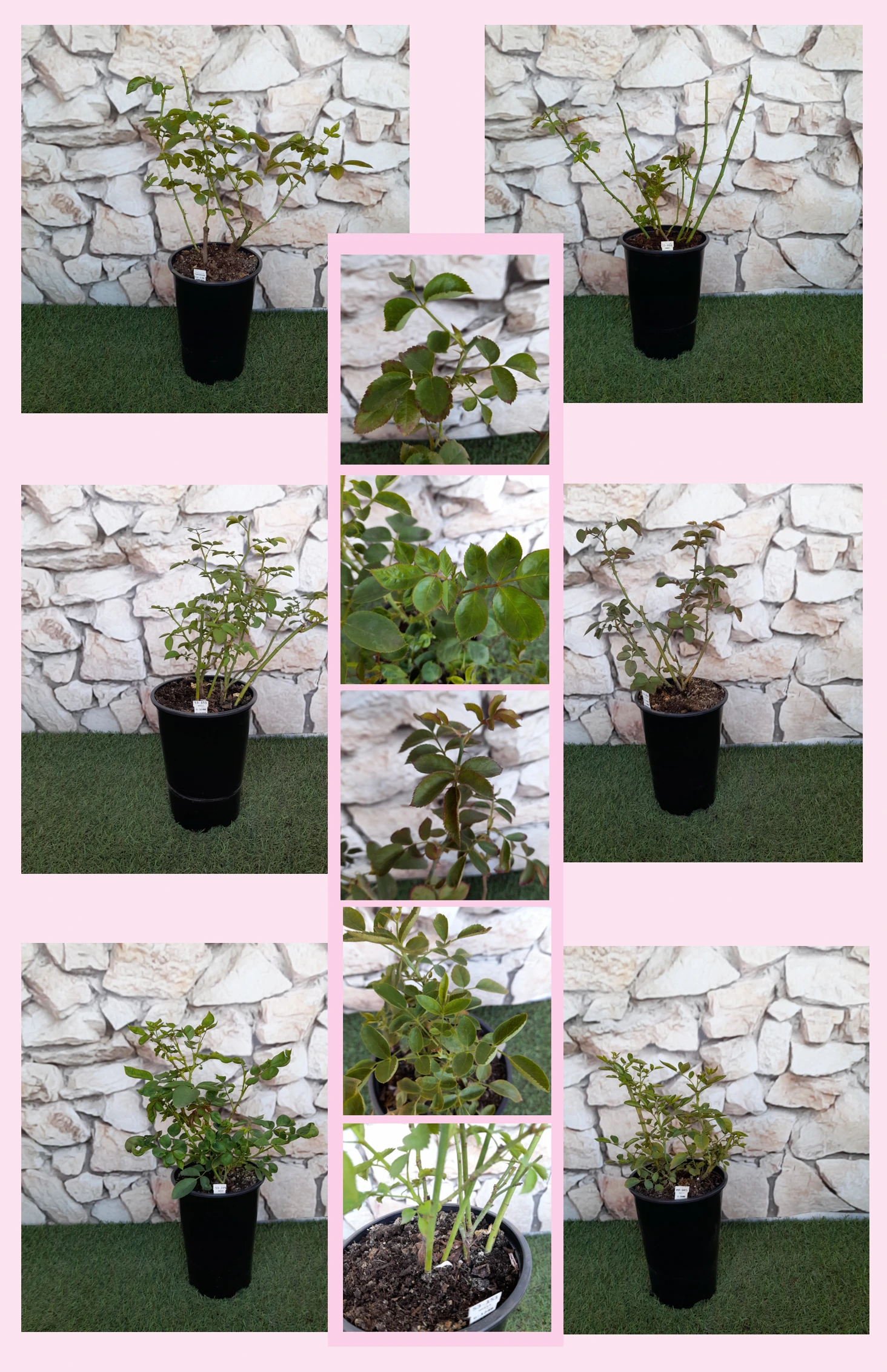
If you dream of a softly lit, “girly” Irish cottage garden, Rambling Rector brings clouds of scented white blossom and a feeling of gentle enchantment to walls, trees and old stone outbuildings, while coping calmly with damp air and frequent rain. Its semi-double blooms with golden stamens are strongly fragrant, drawing bees and other pollinators into your garden, then giving way to masses of red‑orange hips that decorate the plant into autumn and feed birds. As an own‑root, container‑grown rose in the pharmaROSA® ORIGINAL 2‑litre range it is straightforward to plant, settles in reliably, and offers a long, resilient life with minimal fuss. Year by year it knits itself into your garden scene – first building roots, then throwing more shoots, and by the third season reaching full ornamental impact with dense, healthy foliage and vigorous growth that needs very little intervention from you.
Usage options
| Target area | Reasoning |
|---|
| Cottage-style wall or fence cover |
Vigorous, healthy growth means Rambling Rector quickly clothes long boundaries and softens hard surfaces with minimal maintenance, ideal where you want maximum romantic effect for little effort, especially for the busy homeowner. |
| Wildlife-friendly family garden |
The open, semi-double flowers packed with golden stamens are excellent for bees, followed by masses of small hips that feed birds well into autumn, creating a lively, nature-focused space for the pollinator-lover. |
| Dublin terraced-house front garden |
Strong fragrance and clouds of cream-white flowers give big visual and scented impact from a small footprint, perfect for narrow front gardens where you want a welcoming look without complex care, suiting the urban beginner. |
| Tree-trained rose in a lawn |
Rambling Rector’s rambling, climbing habit makes it ideal for training into a sturdy small tree, creating a romantic white canopy that returns every year without replanting, rewarding the patient garden-maker. |
| Screening unsightly sheds or garages |
Dense foliage and long, arching canes form a generous green curtain that hides less attractive structures, while good disease resistance keeps it looking fresh even in damp, maritime weather, supporting the practical planner. |
| Low-input family garden planting |
As an own-root, long-lived rambler it shrugs off minor damage and regenerates from the base, so you avoid the complications of grafted roses and enjoy reliable cover over many years, ideal for the time-poor gardener. |
| Partially shaded side passage or boundary |
Tolerant of partial shade and not fussy about position, it still flowers freely where sun is limited, giving light, airy colour in tricky spots and few tasks beyond basic pruning, reassuring the cautious newcomer. |
| Large-structure arch, pergola or arbour |
Its once‑a‑year, festival-like flush of blossom and fragrance transforms arches and pergolas into a memorable summer highlight, after which attractive hips keep interest; this suits those who enjoy seasonal drama and thoughtful designers. |
Styling ideas
- Cottage-arch romance – Let Rambling Rector drape over a sturdy wooden arch with Nepeta x faassenii at the base for a soft blue-and-white haze – perfect for nostalgic cottage-garden lovers.
- Dublin-front welcome – Train it flat against a small brick façade with terracotta pots of lavender beneath to greet visitors with scent – ideal for compact city-front gardeners.
- Wildlife hedgerow – Combine this rambler with native hawthorn or holly to create a loose, wildlife-friendly boundary rich in blossom and hips – suited to nature-focused families.
- Storybook tree-rose – Allow the canes to scramble through a small existing tree, underplanting with spring bulbs for layered charm – appealing to romantic, imaginative planters.
- Softened outbuilding – Cover a shed or garage wall and pair with airy clematis like ‘Rooguchi’ for extended colour and texture – ideal for practical homeowners wanting gentle screening.
Technical cultivar profile
| Attribute | Data |
|---|
| Name and registration |
Historic rambler rose marketed as Rambling Rector, part of the Rós luibheolaíoch group; unregistered variety with no separate breeder’s code, offered here as an own-root, container-grown garden rose. |
| Origin and breeding |
Foundling historic rambler of unknown parentage, discovered in Ireland before 1901 and first distributed by Daisy Hill Nursery; valued for its garden performance rather than formal breeding records. |
| Awards and recognition |
Holds the RHS Award of Garden Merit (AGM, 1993), recognising reliable performance, good garden value and sound health under typical conditions in the United Kingdom and similar temperate climates. |
| Growth and structural characteristics |
Very vigorous climbing habit, typically 400–800 cm in both height and spread, with long, arching canes, light to mid-green matte foliage and moderate prickliness; suited to large supports and open spaces. |
| Flower morphology |
Semi-double, flat, clustered flowers, small in size at about 1–4 cm, each with around 13–25 petals; produced in big trusses, giving a foaming, billowing mass of bloom during its main summer flowering. |
| Colour data and phenology |
Cream-white to ivory buds and opening flowers (RHS 155C) fading to pure white with prominent golden-yellow stamens; once-flowering rambler with a spectacular main flush in early to midsummer, then decorative hips. |
| Fragrance and aroma |
Distinctly and strongly scented, with a rich spicy-musk character easily noticeable in the garden; fragrance is most apparent during warm, still weather when large trusses of bloom open together. |
| Hip characteristics |
Produces masses of small, spherical, orange-red hips about 6–8 mm across; they remain well into autumn, extending ornamental interest and providing a useful seasonal food source for garden birds. |
| Resistance and winter hardiness |
Good overall health with resistance to powdery mildew, black spot and rust; reliably hardy to about −20 to −15 °C (RHS H6, USDA 6b), coping well with ordinary Irish winters and exposed gardens. |
| Horticultural recommendations |
Best for large walls, fences, pergolas or training into trees; prefers well-drained soil, including improved clay, regular watering in drought and sturdy supports; containers should be at least 40–50 litres in volume. |
Rambling Rector offers abundant fragrant blossom, wildlife-friendly hips and long-lived, own-root reliability for covering large structures or trees, making it a thoughtful choice if you value atmosphere as much as low maintenance.