HERMIPPE – yellow-pink hybrid tea rose – Evers
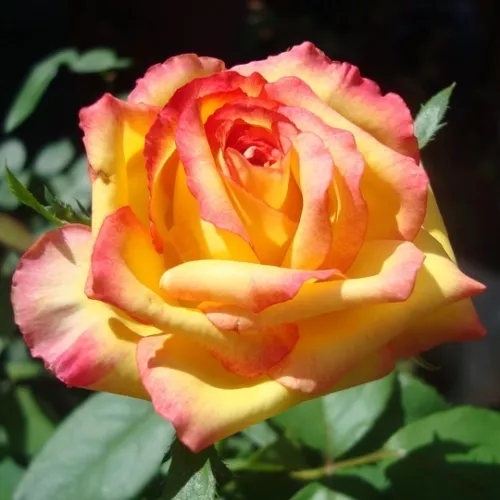
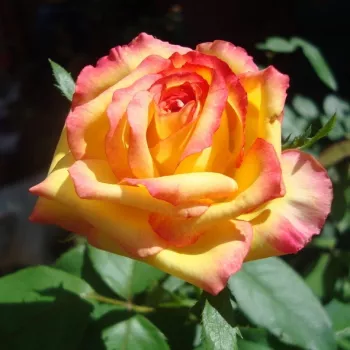
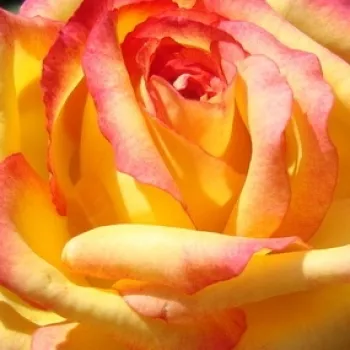
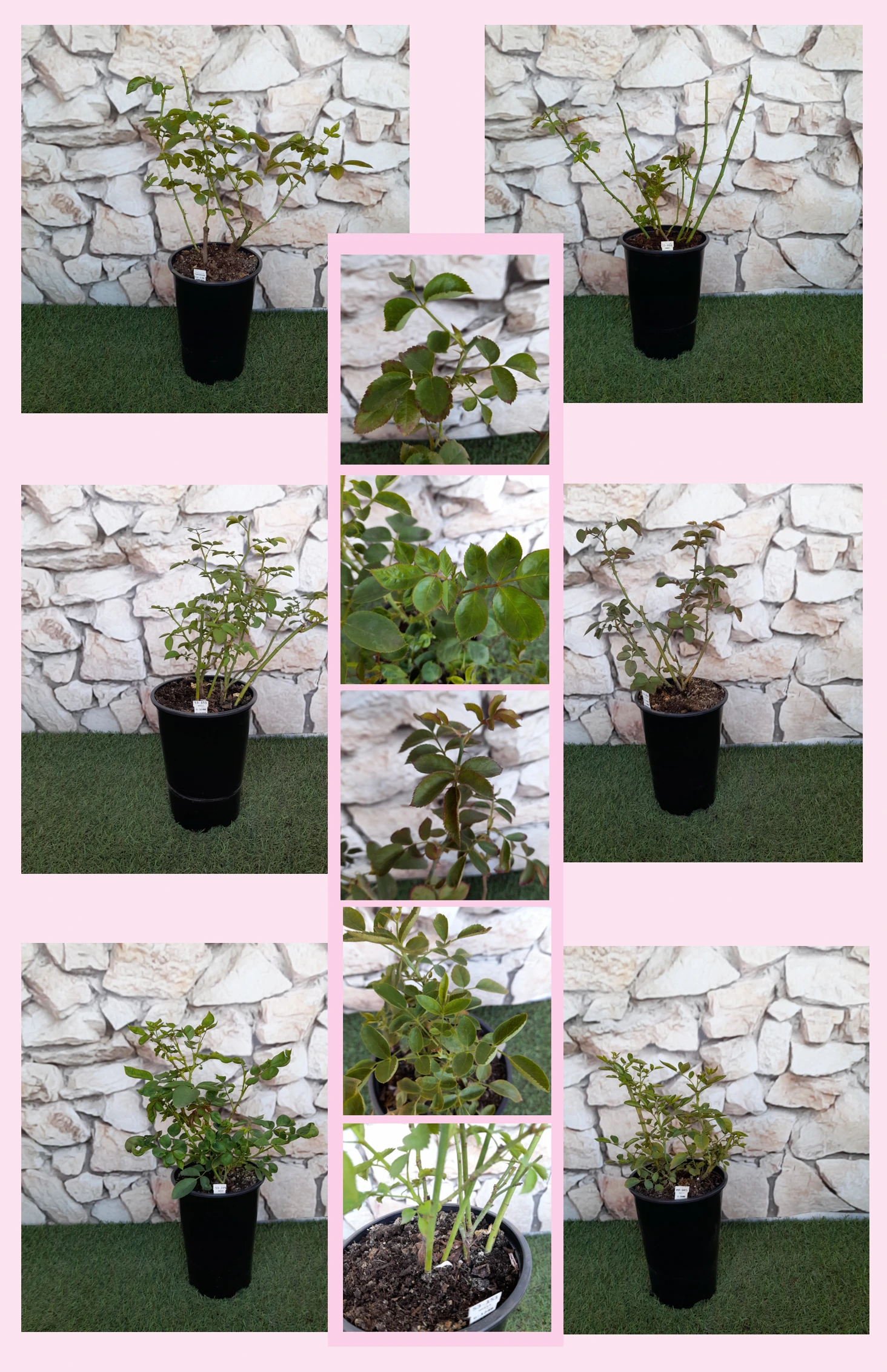
Step outside after a shower and let HERMIPPE set the scene in soft, green light: high‑centred blooms opening from glowing buds into elegant, exhibition‑style flowers that look as if they belong in a vase, yet are grown for your own front garden. Its medium, spicy fragrance and classic form suit an Irish cottage border or a small Dublin terrace, while the shrub’s upright habit keeps paths clear and doorways welcoming. On its own roots it settles in reliably, building strength below ground so that by the third year it delivers its full ornamental value as roots, then shoots, then flowers mature. Designed to cope gracefully with typical Irish rainfall and heavy soil when given basic drainage, it brings long‑lasting, repeat flushes of golden‑yellow and coral‑pink that feel quietly festive rather than brash. Medium maintenance, good disease balance and a premium silver cultivar rating mean more time to simply enjoy its colour play and cut a few stems for the table. Its moderately dense, glossy foliage frames each high‑centred flower, keeping the plant looking orderly even between flushes, while the own‑root form supports a genuinely long garden lifespan for busy, fragrance‑loving homeowners.
Usage options
| Target area | Reasoning |
|---|
| Front‑garden focal point by the door |
The upright, compact habit and high‑centred hybrid tea blooms make HERMIPPE a refined focal point beside a path or doorway, adding structure without overwhelming a small space, ideal for a busy urban front‑garden owner. |
| Cutting patch for home arrangements |
Large, solitary flowers on strong stems, bred as an exhibition‑type cut rose, provide reliable material for vases so you can enjoy golden‑yellow and coral‑pink stems indoors, suiting fragrance‑loving hobby gardener florists. |
| Cottage‑style mixed border |
Remontant flowering with abundant second flushes keeps colour moving through a short Irish summer, threading warm tones between perennials and herbs, well matched to relaxed cottage‑garden enthusiasts. |
| Low informal hedge along a path |
Recommended hedge spacing around 50 cm and a 75–105 cm height range allow HERMIPPE to form a soft, low boundary that reads as both tidy and romantic, fitting family gardens needing gentle separation for regular use. |
| Feature rose in a large container |
In a 40–50 litre or larger pot with free‑draining compost, its upright form and medium height create a neat, moveable accent on patios or terraces, ideal for renters and small‑space balcony or courtyard gardeners. |
| Long‑term planting in established beds |
As an own‑root rose it ages steadily rather than exhausting a graft, supporting long lifespan and easier regeneration after pruning or winter damage, reassuring homeowners planning a stable, long‑term garden framework. |
| Borders on heavier Irish soils |
Given modest drainage and mulching, its moderate disease resistance and reliable structure suit heavier garden soils that stay moist after Atlantic rains, giving colour without fuss to time‑pressed family‑garden keepers. |
| Developing gardens over several seasons |
The plant settles in gradually, with the first year focused on root establishment, the second on stronger shoots, and the third delivering full ornamental value, aligning well with patient, forward‑planning garden planners. |
Styling ideas
- Doorstep elegance – Position HERMIPPE in a large pot by the front step with soft grasses to echo its upright form – for city terrace owners wanting a welcoming entrance.
- Cottage ribbon – Plant a loose row through a cottage border and weave in calamint and crocosmia for a glowing yellow‑pink ribbon – for fans of relaxed, flower‑heavy paths.
- Cutting corner – Dedicate a sunny corner bed to HERMIPPE with repeat‑flowering perennials so you can cut stems regularly without empty gaps – for home florists and bouquet lovers.
- Soft boundary – Use closely spaced plants as a low hedge along a lawn edge, underplanting with low catmint to soften the line – for families wanting subtle separation without hard fencing.
- Colour duet – Pair with blue California lilac behind and pale cream perennials in front to highlight its golden‑yellow and coral‑pink petals – for gardeners who enjoy refined colour harmonies.
Technical cultivar profile
| Property | Data |
|---|
| Name and registration |
Hybrid tea rose, registered as TANitef, marketed as HERMIPPE – yellow‑pink hybrid tea rose – Evers; also shown as Tantau’s Konfetti in exhibition circles. |
| Origin and breeding |
Bred by Hans Jürgen Evers for Rosen Tantau in Germany from unknown parentage; breeding year 1991, registered 1994, introduced commercially after 1994. |
| Growth and structural characteristics |
Upright hybrid tea shrub typically 75–105 cm tall and 50–75 cm wide, with moderately dense, mid‑green, slightly glossy foliage and a moderately thorny framework. |
| Flower morphology |
Large 7–10 cm, fully double, high‑centred blooms with 26–39 petals, classic pointed‑bud form, mostly solitary on stems, with strong remontant repeat flowering in summer. |
| Colour data and phenology |
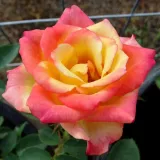
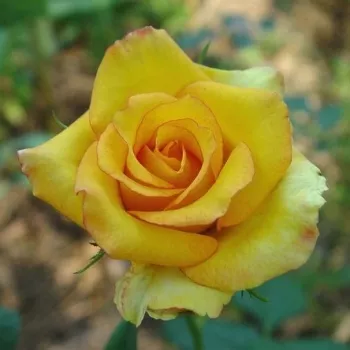
Golden‑yellow petals with rose‑red to coral edging; buds deep lemon‑yellow, colours softening to creamy yellow with coral‑pink margins as blooms age, overall moderate colour retention. |
| Fragrance and aroma |
Medium‑strength, clearly noticeable scent with a delicately peppery, spicy rose character, detectable at close range and on cut stems in vases indoors. |
| Hip characteristics |
Rose hips rarely formed; when present they are small, spherical, around 10–15 mm across, colouring orange‑red and adding modest late‑season interest. |
| Resistance and winter hardiness |
Hardy to approximately −21 to −18 °C (H7, USDA 6b); resistant to black spot and powdery mildew, with moderate rust susceptibility, benefiting from basic preventive care. |
| Horticultural recommendations |
Best in full sun, average garden soil with good drainage; medium maintenance with occasional plant protection; use 50–100 cm spacing depending on mass, hedge, or specimen planting. |
HERMIPPE combines large, fragrant, vase‑worthy blooms with repeat flowering and a durable own‑root habit, making it a graceful, long‑lived choice for Irish cottage borders and front gardens you plan to enjoy for years.