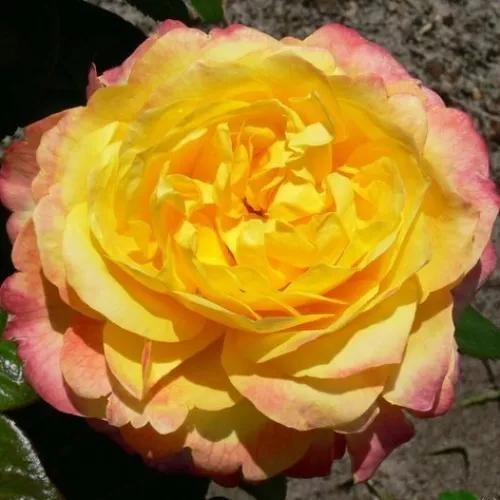
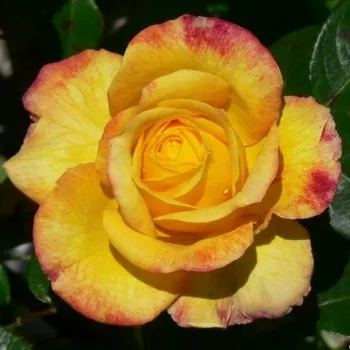
HENRIETTA – yellow-red hybrid tea rose - McGredy
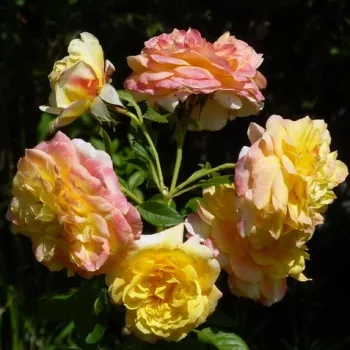
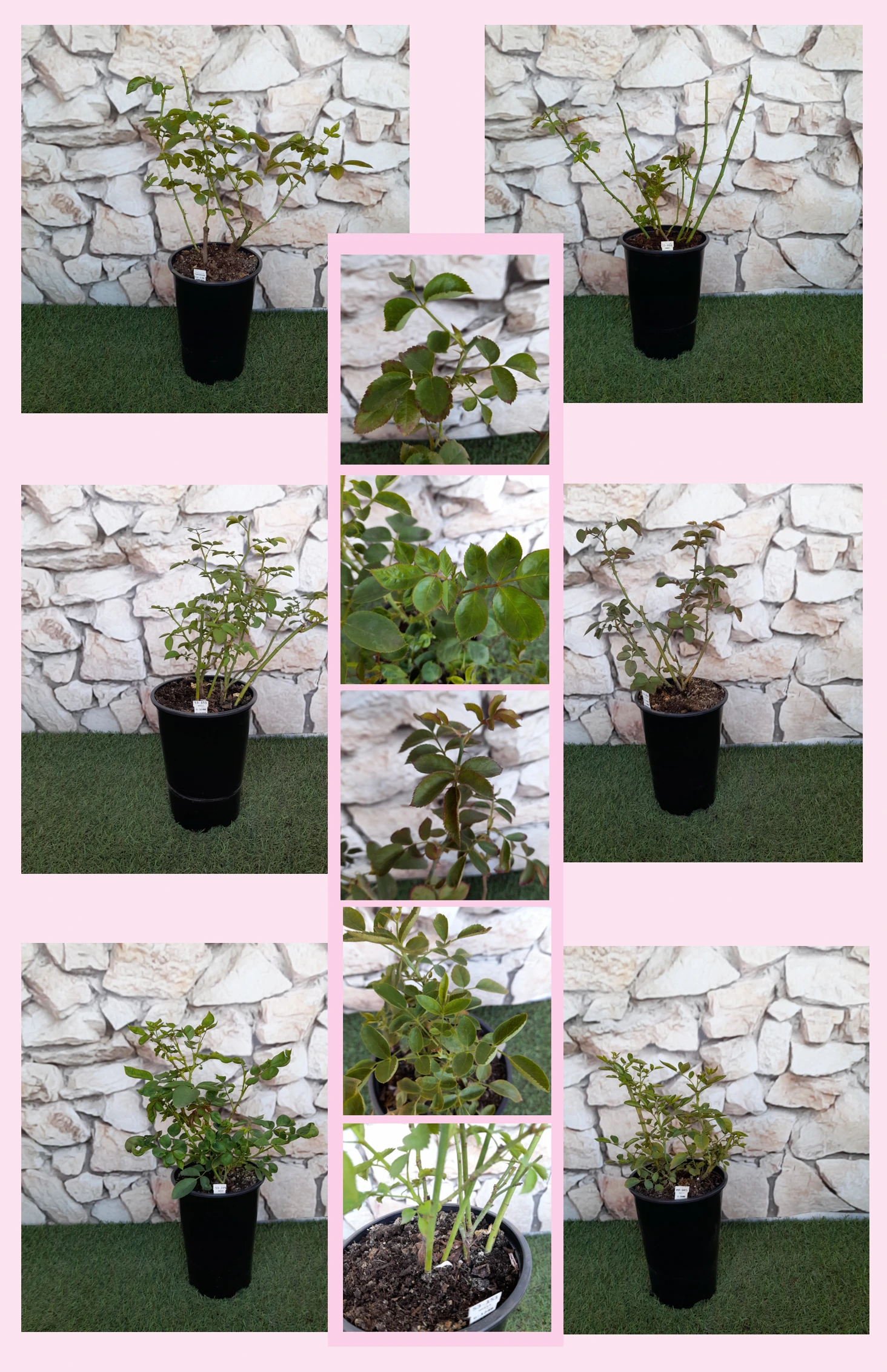
Stepping outside after a shower, you notice how the glossy dark foliage of Henrietta catches the soft light, its yellow-red blooms glowing against the damp garden and holding their shape through breezy, moisture-laden Irish weather with ease. Tall, upright growth lets each high-centred flower show like a classic cut rose, while the long flowering season means colour returns again and again from early summer into autumn. As an own-root plant, it settles in reliably, building a secure framework for years of enjoyment, ideal for cottage borders or a neat front garden where you want impact without fuss. With good disease resistance limiting spray and rescue work, simple mulching and drainage preparation are usually all that is needed, making it a friendly choice for beginners. Plant, water, and watch it move from first-year roots to fuller second-year shoots and, by the third season, a confident pillar of colour and charm in your family garden.
Usage options
| Target area | Reasoning |
|---|
| Feature rose in a small front garden bed |
The tall, upright structure and solitary, exhibition-style blooms create a clear focal point even in narrow beds, giving strong visual impact from the street with minimal plants needed; an easy win for the busy homeowner. |
| Repeat-flowering accent near paths and seating |
Its generous first flush and abundant repeat flowering keep buds and blooms coming through much of the Irish summer, so a single planting can carry colour over months rather than weeks, pleasing the season-long admirer. |
| Low-maintenance family border in humid climates |
Reliable resistance to black spot, mildew and rust reduces spraying and rescue pruning, a real benefit where damp, mild weather encourages fungal problems and you prefer straightforward care as a practical gardener. |
| Long-lived structure in cottage-style plantings |
The own-root habit lets the plant regenerate from its base after hard pruning or weather damage, so it keeps its form and flowering for many years, suiting the plans of the long-term planner. |
| Irish cottage border with layered perennials |
At 150–200 cm tall with dense, dark foliage, it rises above lower perennials without becoming leggy, giving a vertical backbone that anchors looser planting, appreciated by the structure seeker. |
| Cutting patch for home bouquets |
The high-centred, pointed buds and large, very double flowers are classic hybrid tea material, producing stems that look refined in a vase, rewarding the efforts of the home flower arranger. |
| Statement rose in large containers |
In a well-drained 40–50 litre pot, its upright habit and changing yellow-red colour show beautifully on patios or doorsteps, making seasonal display simple for the urban balcony gardener. |
| Climate-conscious planting in exposed gardens |
Strong, healthy foliage and resilient growth cope with cool, breezy, moisture-laden conditions common near Atlantic coasts, supporting reliable flowering with little intervention for the eco-aware beginner. |
Styling ideas
- Cottage Column – Place Henrietta mid-back in a mixed border with foxgloves and hardy geraniums to let its tall, upright form punctuate softer cottage textures – ideal for romantic garden lovers.
- Front-Door Welcome – Use a single plant in a generous 50 litre pot by the entrance where its repeat blooms greet you daily with minimal upkeep – perfect for busy city homeowners.
- Sunny Duo – Combine with Crocosmia and Lychnis for a warm, glowing strip of colour that thrives through the season with little fuss – suited to low-maintenance border creators.
- Cutting Corner – Dedicate a small bed to Henrietta rows so you can harvest classic, high-centred stems without spoiling the main display – great for home bouquet enthusiasts.
- Structured Screen – Plant as a loose row at 60–70 cm spacing to form a flowery, semi-formal screen that adds privacy and height in compact plots – ideal for small-garden planners.
Technical cultivar profile
| Parameter | Data |
|---|
| Name and registration |
Hybrid tea rose, registered as MACtexa, marketed as Henrietta hybrid tea rose MACtexa; exhibition hybrid tea and cut-flower type, belonging to the Rós taehibride commercial group. |
| Origin and breeding |
Bred by Samuel Darragh McGredy IV, McGredy Roses International, Auckland; ‘Heart of Gold’ × ‘Gold Medal’; introduced and registered in 1991 by McGredy Roses International in New Zealand. |
| Growth and structural characteristics |
Tall, upright bush 150–200 cm high and 90–120 cm wide, with moderately thorny stems and dense, glossy, dark green foliage, forming a substantial vertical accent in beds or mixed borders. |
| Flower morphology |
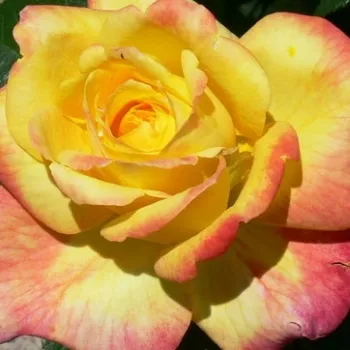
Large, 7–10 cm, very double, high-centred flowers with over 40 petals; classic pointed buds carried mainly singly on stems, providing a traditional hybrid tea cut-rose appearance. |
| Colour data and phenology |
Yellow-red bicolour with ruby to scarlet outer petals and rich lemon to ochre-yellow bases; tones shift towards salmon-pink and softer reds as flowers age, giving a changing display over time. |
| Fragrance and aroma |
Classed as unscented, with no noticeable fragrance recorded; primarily chosen for its visual qualities, form, colour transitions and cutting value rather than aromatic contribution in the garden. |
| Hip characteristics |
Hip set is generally sparse due to the very double bloom form; occasionally produces small, ellipsoidal orange-red hips, approximately 8–12 mm in diameter, offering limited autumn interest. |
| Resistance and winter hardiness |
Rated resistant to powdery mildew, black spot and rust; hardy to approximately –21 to –18 °C (RHS H7, Swedish Zone 3, USDA 6b), suitable for most Irish garden conditions without winter protection. |
| Horticultural recommendations |
Best in full sun with well-drained soil; spacing 60–110 cm depending on use, 2.0–2.3 plants/m² for mass planting; low maintenance, with minimal interventions needed beyond routine pruning and feeding. |
HENRIETTA – yellow-red hybrid tea rose - McGredy offers long-season repeat flowering, disease-resilient growth and dependable own-root longevity, making it a thoughtful choice if you enjoy lasting colour with modest effort.