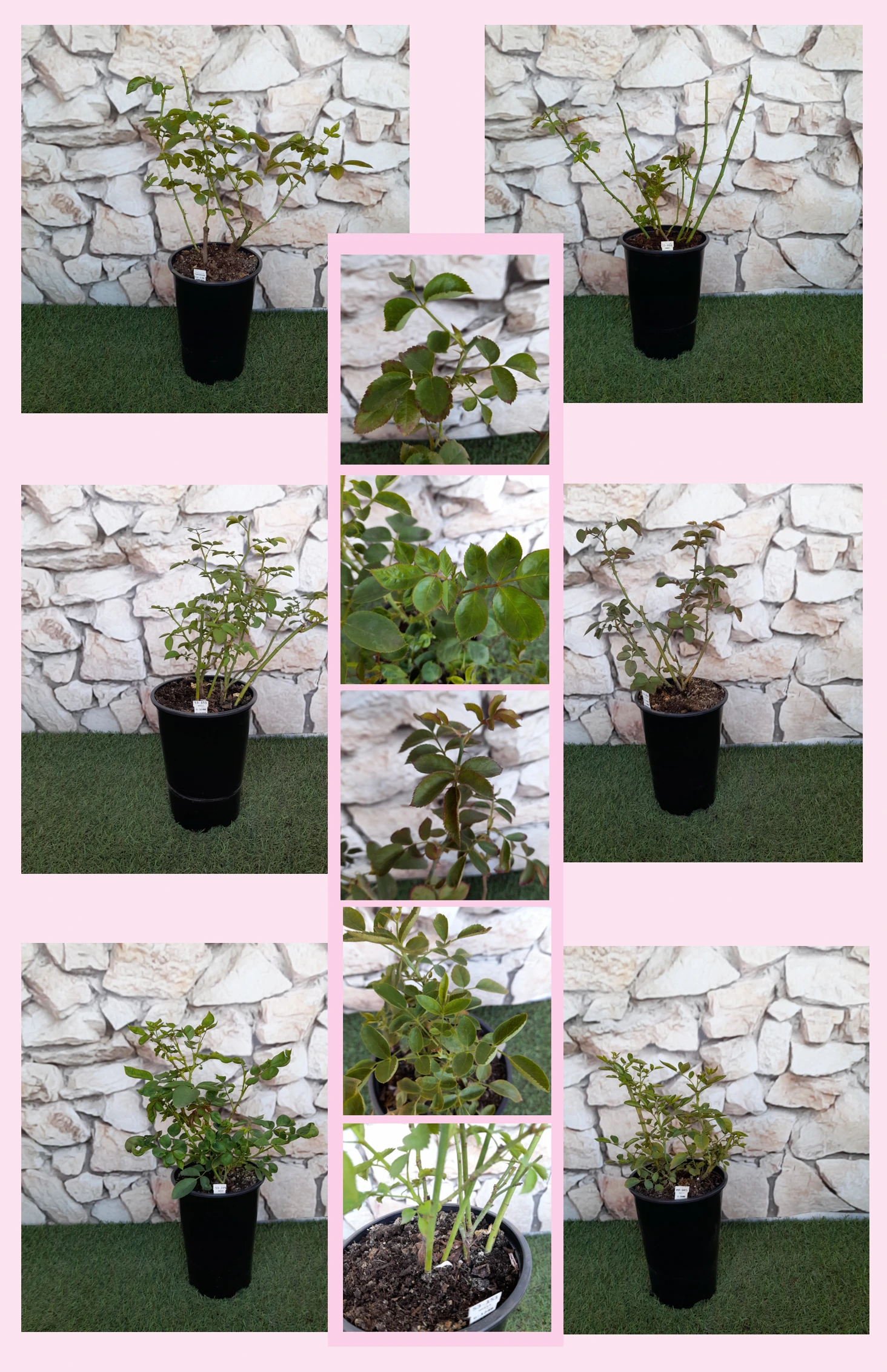
HANSESTADT LÜBECK® – red bedding floribunda rose – Kordes
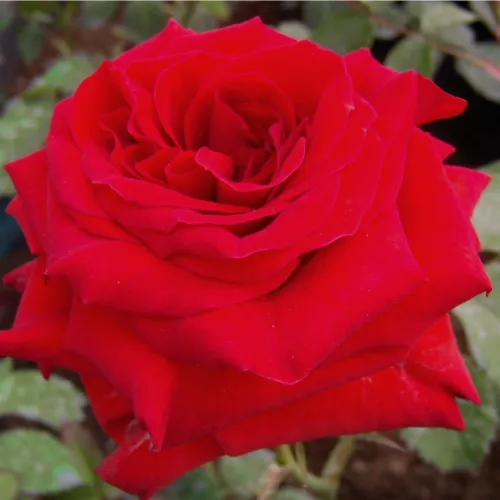
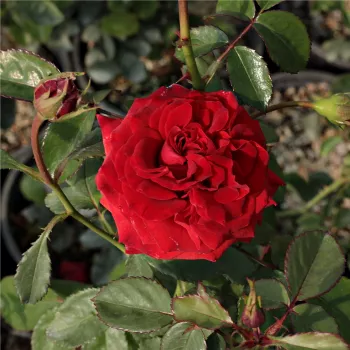
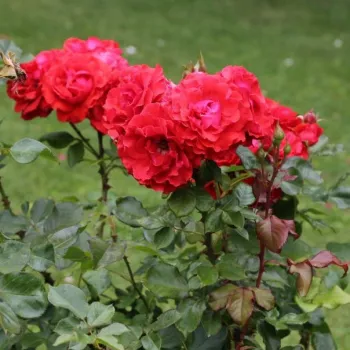
Imagine stepping out for a quick garden wander after summer rain, soft light catching clusters of deep red blooms: HANSESTADT LÜBECK® is made for that mood of quiet, cheerful contentment. This compact but upright floribunda carries velvety, semi‑double flowers that shift from vivid scarlet to rich brick‑mahogany, so even in dull weather your beds feel warmly alive. Designed for easy‑going cottage borders and Dublin front gardens, it copes well with our cool summers and frequent showers, giving reliable repeat flowering from early in the season. Own‑root plants settle steadily, building lasting stability in shape and colour with minimal fuss, while moderate disease resistance helps in humid Irish air. In the first year it quietly develops its roots, the second year brings stronger leafy shoots, and by the third it fills its space with full ornamental character.
Usage options
| Target area |
Reasoning |
| Front garden feature bed |
Ideal for small Irish front gardens where you want impact without complexity: upright yet compact growth and medium height create a defined focal block of velvety red, repeating well through the season for beginners and busy homeowners. |
| Cottage-style mixed border |
The floribunda clusters weave naturally among perennials, while the colour ages beautifully instead of looking shabby, so borders stay romantic rather than messy through changing weather, suiting cottage-garden lovers. |
| Low informal flowering hedge |
Regular, upright structure and good spread allow you to form a loose hedge at around one metre high, offering long flowering lines along paths or driveways with modest pruning demands for time-poor gardeners. |
| Family back-garden flower bed |
Own-root robustness means if stems are damaged by play or wind the plant can regenerate from the base, giving a long-lived, reliable bed rose that tolerates ordinary family use for practical households. |
| Urban terrace or large container |
Performs well in a generous container of at least 40–50 litres with good drainage, giving repeat colour on patios or balconies where soil is limited but you still want a classic red rose for city dwellers. |
| Pollinator-friendly mixed planting |
Semi-double flowers leave some access to stamens, offering moderate interest for bees while still looking lush, so it pairs well with pollinator stalwarts like wallflowers and forget-me-nots for nature-minded owners. |
| Traditional rose bed in heavy Irish soils |
Thrives in well-prepared clay beds with improved drainage and mulch, matching our cool, damp climate with steady repeat flowering through showery summers that feel short and unpredictable for Irish-climate gardeners. |
| Long-term planting for settled gardens |
Own-root plants age gracefully, avoiding graft-related suckers and keeping their form and colour over many seasons, a thoughtful investment when you are planning a stable, low-fuss scheme for long-term planners. |
Styling ideas
- COTTAGE RIBBON – Run a wavy row along a path, underplanting with Brunnera and spring bulbs for a soft, storybook cottage feel – ideal for romantic traditionalists.
- DUBLIN DOORSTEP – Plant three in a triangle in a small front bed with wallflowers and evergreen box for year-round structure and red highlights – perfect for terraced-house fronts.
- VELVET PANEL – Create a rectangular block of roses framed by low ornamental grasses, letting the deep red flowers read like a rich fabric panel – suited to design-conscious urban owners.
- POTTER’S CORNER – Grow one shrub in a 40–50 litre terracotta pot with trailing thyme at the rim to soften edges and add scent – great for balcony and patio gardeners.
- FAMILY BORDER – Mix with hardy perennials such as catmint and cranesbill to blur edges, keeping colour going while the rose provides structure – made for relaxed family spaces.
Technical cultivar profile
| Property |
Data |
| Name and registration |
HANSESTADT LÜBECK® Border rose Kordes; floribunda shrub rose used as a flowerbed variety; ARS exhibition name ‘Lübeck’; unregistered cultivar; commercial group Rósra bhláthchlóis. |
| Origin and breeding |
Bred by Reimer Kordes at W. Kordes’ Söhne, Klein Offenseth-Sparrieshoop, Germany; parentage unknown; introduced 1960 via Kordes and Samuel McGredy & Son in Northern Ireland. |
| Growth and structural characteristics |
Upright shrub floribunda, typically 100–140 cm high and 65–95 cm wide; moderately dense, slightly glossy mid-green foliage; moderately thorny shoots, forming a sturdy, balanced framework. |
| Flower morphology |
Semi-double, cupped blooms with 13–25 petals, usually 4–7 cm across; borne in clusters of 3–7 flowers per stem; remontant habit with a generous second flush in suitable conditions. |
| Colour data and phenology |
Rich, uniform deep red with velvety sheen; ARS colour MR, RHS 46A–46B; opens vivid scarlet, deepening to burgundy before mellowing to brick-mahogany with darker petal edges as blooms age. |
| Fragrance and aroma |
Classic rose-type scent but very weak; fragrance generally barely perceptible in normal garden conditions, so selection is primarily for colour effect, flower form and structural reliability. |
| Hip characteristics |
Produces moderate quantities of small, 8–12 mm, egg-shaped hips; ovoid, orange-red fruits add quiet late-season interest and wildlife value without overwhelming the plant’s floral display. |
| Resistance and winter hardiness |
Cold-hardy to about −21 to −18 °C (RHS H7, Swedish zone 3, USDA 6b); resistant to powdery mildew and rust, medium tolerance to black spot, benefits from good air flow and basic hygiene. |
| Horticultural recommendations |
Best in full sun with fertile, well-drained soil; space 50–90 cm depending on use; avoid waterlogging in heavy clay; mulch annually; moderate maintenance, occasional pest and disease checks. |
HANSESTADT LÜBECK® offers reliable repeat flowering, durable own-root strength and manageable care in a compact floribunda, making it a thoughtful choice if you want long-lasting red charm with minimal complication.