GRUSS AN TEPLITZ – deep crimson historic China rose - Geschwind
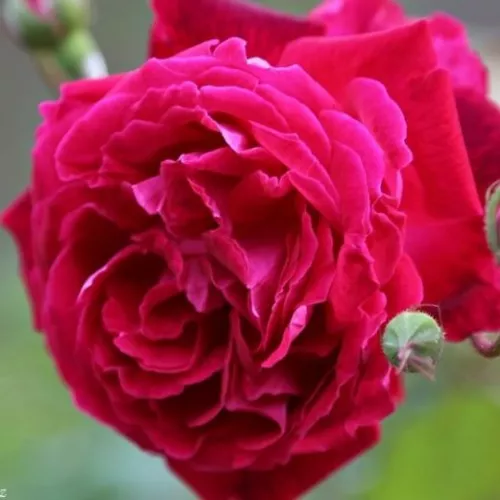
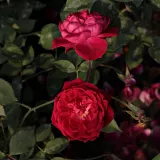
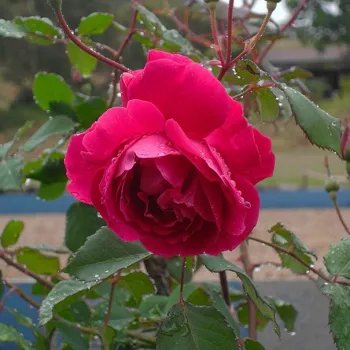
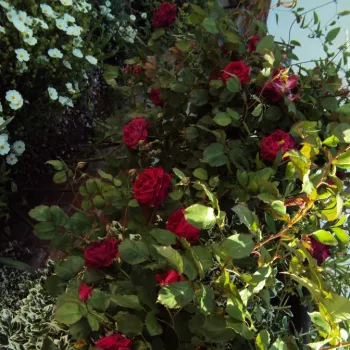
Stepping out to meet raindrops on a soft Irish evening, you will love how GRUSS AN TEPLITZ brings quietly glowing colour and rich fragrance to even a small front garden. This historic China rose flowers repeatedly from early summer well into autumn, keeping its velvety crimson blooms coming back after every trim. Bred in 1897, it has an easy-going habit and copes well with damp air and mild summers, staying reliable even when rainfall is frequent and sunshine short-lived. Own-root plants settle steadily, building long-lived roots and sturdy shoots that reward you with full character and ornamental value over several seasons, especially when given simple mulching and good drainage in heavier clay soil.
Usage options
| Target area |
Reasoning |
| Dublin terraced-house front garden |
Upright yet bushy growth to about 1,5 m makes it ideal behind a low wall or railing without overwhelming a narrow front garden, offering repeat crimson flowering and a welcoming scent for passers-by and returning homeowners. |
| Irish cottage garden border |
Its historic character and cupped, double blooms blend naturally with cottage-style perennials, while own-root durability means the shrub can stay in place for decades with only light pruning, suiting relaxed gardeners. |
| Feature rose near a doorway |
The strong, spicy perfume carries well in still air, so one shrub by a path or doorway delivers a noticeable evening scent without needing a whole rose bed, appealing to fragrance-focused buyers. |
| Mixed shrub bed in heavy soil |
Once established, it handles typical Irish moisture and cooler summers reliably, provided the planting hole has basic drainage and a surface mulch, giving dependable flowers with modest effort for busy households. |
| Small lawn specimen |
Planted on its own with 1 m clearance, the rich crimson colour stands out against grass, and the moderate spread keeps mowing simple, which works well for families wanting one showpiece without complex maintenance. |
| Low informal hedge |
At 55–60 cm spacing, its bushy, upright habit forms a loose flowering line that softens paths or drive edges, bringing long-season colour and light screening for privacy-oriented residents. |
| Large container on patio (40–50 litres) |
In a generous pot with quality compost, this rose’s repeat flowering and moderate size give months of colour on a balcony or patio, with own-root resilience helping recovery if watering is sometimes irregular for urban beginners. |
| Traditional rose and perennial bed |
Clustered blooms on each stem, good heat tolerance and classic historic form make it a strong anchor among catmint and other nectar plants, adding depth of colour for nature-minded enthusiasts. |
Styling ideas
- Cottage-Romantic – Combine with garden catmint and Siberian bugloss for a soft blue and crimson haze along a front path – ideal for relaxed cottage-style gardeners.
- Doorstep-Welcome – Plant one specimen by the front steps with low evergreen edging so the rose’s perfume greets visitors – suited to fragrance-loving homeowners.
- Crimson-Hedge – Use a loose row beside a drive, underplanted with low grasses, for a gently structured but informal boundary – good for families wanting privacy and flowers together.
- Patio-Showpiece – Grow in a 40–50 litre terracotta pot with trailing seasonal bedding around the base for long-lasting colour on a small terrace – perfect for busy urban gardeners.
- Heritage-Mix – Pair this historic rose with variegated porcelain vine on a backdrop fence to contrast velvety blooms with marbled foliage – appealing to lovers of old-world character.
Technical cultivar profile
| Characteristic |
Data |
| Name and registration |
Gruss an Teplitz, historic China rose; registered cultivar name and approved exhibition name identical; part of the historic rose collection, commercial group Rós stairiúil, unregistered year. |
| Origin and breeding |
Bred by Rudolf Geschwind in Hungary, 1897; parentage (‘Sir Joseph Paxton’ × ‘Fellenberg’) × (‘Papa Gontier’ × ‘Gloire des Rosomanes’); first distributed by Peter Lambert in Germany. |
| Awards and recognition |
World Federation of Rose Societies Old Rose Hall of Fame inductee (2000); American Rose Society rating 8.0, confirming long-standing international garden merit. |
| Growth and structural characteristics |
Bushy, upright shrub 120–170 cm high, 75–110 cm spread; moderately dense, slightly glossy medium-green foliage; moderately thorny canes; moderate self-cleaning, some deadheading recommended. |
| Flower morphology |
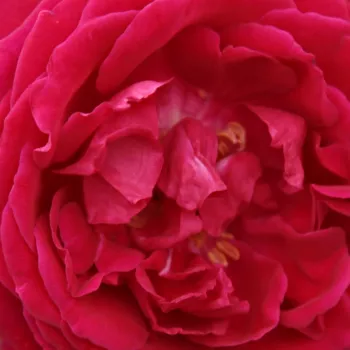
Large 7–10 cm, double, cupped blooms with 26–39 petals; borne in clusters of 3–7 per stem; repeats freely with a notably abundant second flush in typical garden conditions. |
| Colour data and phenology |
Crimson-red with muted velvety burgundy tones and slight carmine tint; darker inner petals; slightly paler in strong heat, deeper in cooler weather; maintains good decorative value through the season. |
| Fragrance and aroma |
Rich, spicy scent with strong, long-lasting intensity; fragrance noticeable near paths and seating areas; primarily ornamental, not bred for cosmetic or culinary extraction uses. |
| Hip characteristics |
Slight hip set; small, spherical fruits 8–12 mm across, bright red; decorative only in light quantities and not a primary feature of the cultivar in most gardens. |
| Resistance and winter hardiness |
Hardy to about –21 to –18 °C (USDA 6b, RHS H7); good heat and moderate drought tolerance; resistant to powdery mildew and black spot, moderate rust susceptibility, needs occasional protection. |
| Horticultural recommendations |
Prefers full sun and well-drained soil; better flower quality in open, airy positions; plant 55–100 cm apart depending on use; square density about 2.5 plants/m² for massed beds or informal hedging. |
Gruss an Teplitz offers rich fragrance, repeat crimson flowering and a manageable, upright habit on long-lived own-root plants, making it a thoughtful choice for those planning a durable, characterful garden focus.