GOLDBEET – yellow bedding floribunda rose - Noack
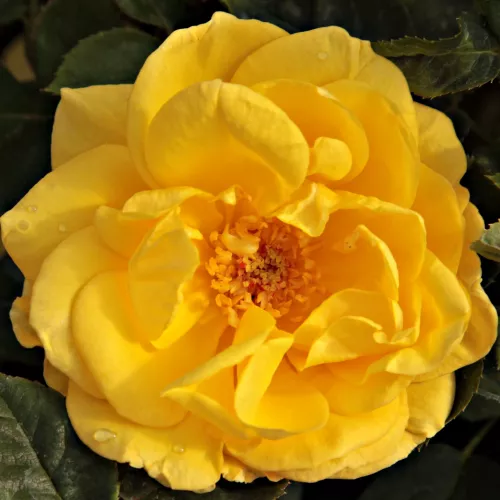
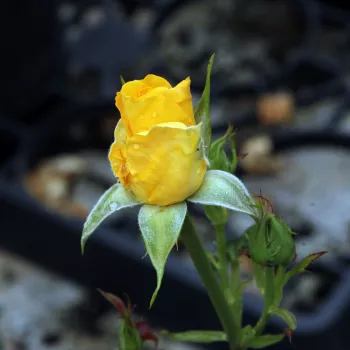
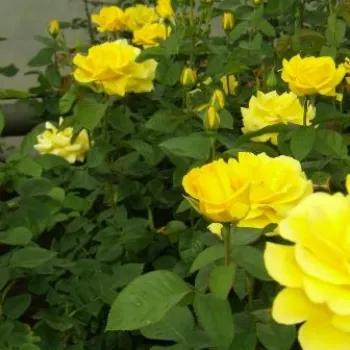
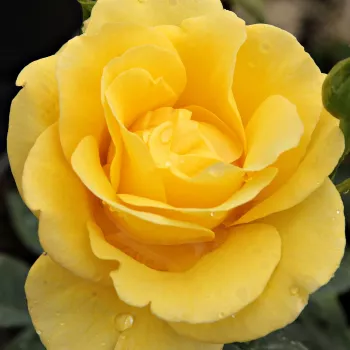
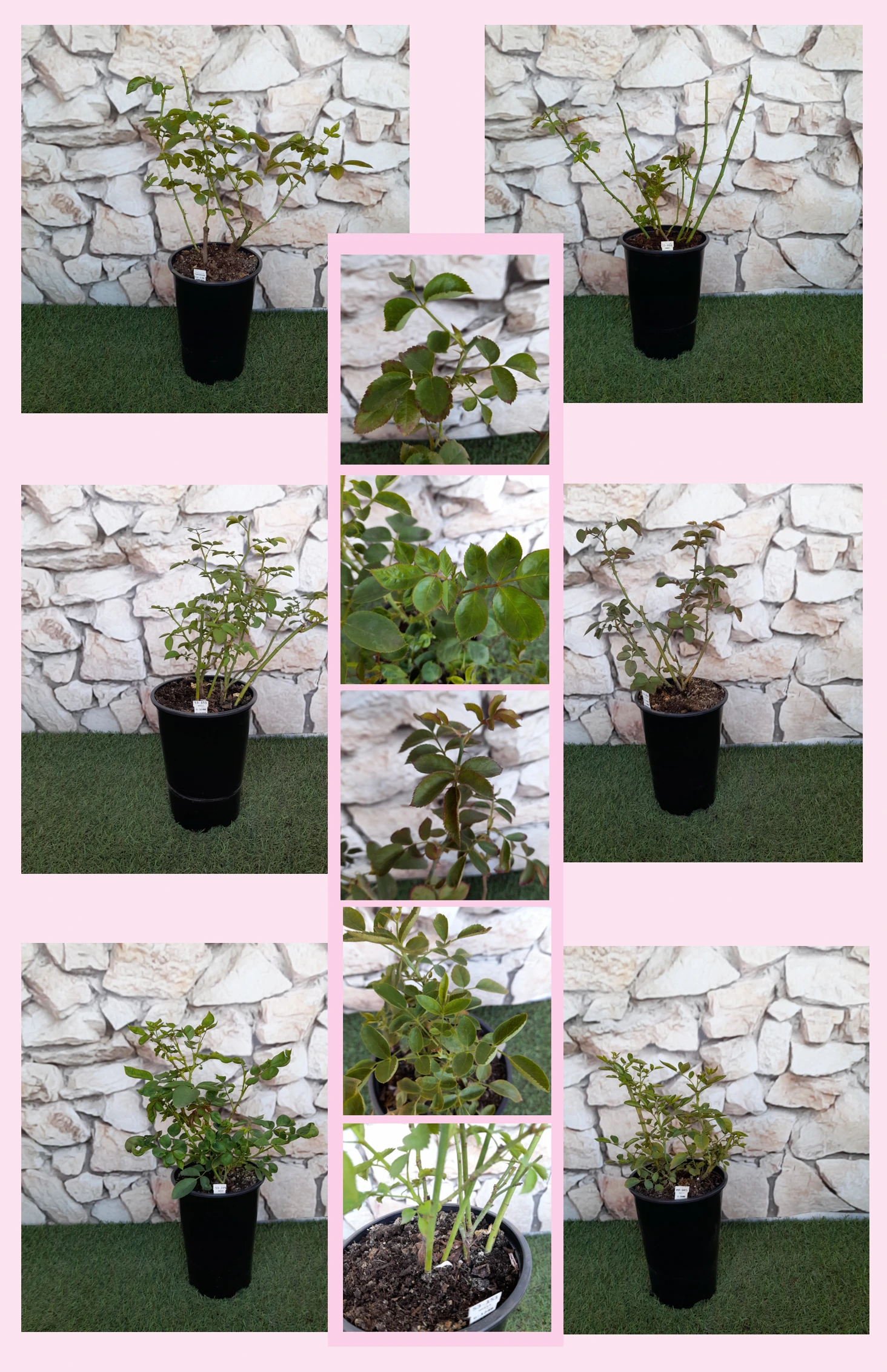
Step out to a path of golden blossoms with Goldbeet, a floribunda that turns even the smallest Irish front garden into a gentle, cheerful ribbon of colour. Its semi-double, cluster blooms glow in changing shades of yellow, from rich lemon buds to soft cream edges, lighting up cottage borders in that rainy, soft-focus Irish daylight. Bred for reliable, season-long flowering, it repeats generously so your beds look freshly tended with very little effort. Own-root plants mean long-term stability, steady performance and easier recovery if weather or pruning are less than perfect, settling in step by step as roots, then shoots, then full garden presence develop over three years. The dense, mid-green foliage creates a lush, grounding backdrop that looks good even between flushes, making Goldbeet a practical, easy-going choice for busy homes in breezy, rain-washed gardens near the Atlantic.
Usage options
| Target area |
Reasoning |
| Front cottage-style flower bed |
Goldbeet’s generous repeat flowering keeps a lively band of yellow running along cottage beds, with clusters that read clearly from the gate. As an own-root shrub it builds up reliably year after year, rewarding patient beginners and easy-going families |
| Dublin terraced-house front garden |
The upright, bushy habit and vivid colour create instant kerb appeal in small front plots, without demanding precise pruning or complicated feeding. It copes well with typical urban light levels and occasional neglect, suiting time-pressed city homeowners |
| Pollinator-friendly mixed border |
Semi-double flowers offer accessible centres that moderately attract bees and other visitors, adding movement and life to informal borders. Pair with airy perennials to extend nectar options and build a gentle wildlife focus for nature-minded gardeners |
| Low, informal flowering hedge |
The wide spread and dense foliage knit into a soft, colourful hedge that marks boundaries without feeling rigid. Regular flowering and own-root durability provide long-term structure along paths or drives, ideal for relaxed, family-orientated gardens |
| Large patio container (40–50 litres+) |
In a substantial pot with good drainage, Goldbeet gives a movable splash of colour for patios and doorways, especially where soil is heavy or space is limited. The own-root form offers extended lifespan and stable growth for container-focused beginners |
| Clay soil beds with improved drainage |
Once planted into loosened, mulched clay with added grit, Goldbeet’s robust root system gradually settles and thickens, giving steadily better flowering in our cool, moist summers and frequent soft rain, reassuring cautious, climate-aware buyers |
| Family play garden borders |
The mid-sized, bushy shrub sits comfortably behind lawns and play areas, offering colour without dominating. Moderate thorns and durable foliage suit busy spaces where footballs and dogs roam, working well for practical, child-friendly households |
| Low-maintenance “girly” rose bed |
The sunny yellow clusters mix beautifully with pinks and creams for a playful, feminine bed that looks thoughtfully designed yet needs only basic deadheading and occasional disease checks, a good fit for style-conscious but time-poor owners |
Styling ideas
- Cottage-Ribbon – Run Goldbeet in a loose line along a path with foxgloves and airy grasses for a glowing, storybook cottage edge – ideal for romantic, rural-leaning gardeners
- Golden-Welcome – Place one or two in large 50-litre pots by the front door, underplanted with trailing ivy and violas – perfect for neat, low-effort city entrances
- Honey-Drift – Combine with catmint, lavender and a few single daisies to support pollinators and soften the yellow – suited to wildlife-friendly families
- Sunrise-Hedge – Plant a loose line along a boundary, weaving in coral bells and dwarf barberries for colour from leaves and flowers – great for informal, easy-care hedging
- Girly-Glow – Mix Goldbeet with blush-pink roses and soft white perennials in a small front bed for a playful, feminine look – appealing to colour-loving beginners
Technical cultivar profile
| Trait |
Data |
| Name and registration |
Goldbeet is a floribunda bedding rose (bush floribunda), marketed as GOLDBEET – yellow bedding floribunda rose - Noack, approved exhibition name Goldbeet, without a separate registered code. |
| Origin and breeding |
Bred by Werner Noack in Steinfurth, Germany, introduced in 1974, with parentage unknown; a floribunda developed for reliable bedding performance in central European garden conditions. |
| Growth and structural characteristics |
Bushy shrub reaching about 120–180 cm high with a 100–150 cm spread, moderately thorny, carrying dense, slightly glossy mid-green foliage that fills out beds and hedging lines effectively. |
| Flower morphology |
Semi-double, cup-shaped flowers, 1–4 cm wide, in clusters; each bloom carries roughly 13–25 petals and the plant is remontant, giving an abundant second flush after the initial flowering. |
| Colour data and phenology |
Flowers open rich golden yellow (RHS 14A outer, 14B inner), then soften through mid-yellow to pale lemon with near cream edges, creating a dynamic colour show from bud to fall. |
| Fragrance and aroma |
Fragrance is very weak, with a soft, neutral character best suited to gardeners who prioritise colour impact and bedding effect over strong scent in the planting scheme. |
| Hip characteristics |
Occasional small hips may form, typically 0–6 mm across; they are few in number and not a defining ornamental feature of this cultivar in normal garden use. |
| Resistance and winter hardiness |
Hardy to approximately -21 to -18 °C (RHS H7, Swedish Zone 3, USDA 6b), with moderate tolerance of heat, drought and common fungal diseases, helped by consistent watering and hygiene. |
| Horticultural recommendations |
Best for beds, edging and containers; allow 110–200 cm spacing depending on use. Tolerates partial shade; prefers well-drained soil, regular watering in heat, and occasional pest and disease checks. |
GOLDBEET brings long-lasting yellow colour, generous repeat flowering and reliable pollinator appeal on a durable own-root shrub; a thoughtful choice if you want easy brightness in everyday garden life.