GOLD CROWN® – golden-yellow hybrid tea rose – Kordes
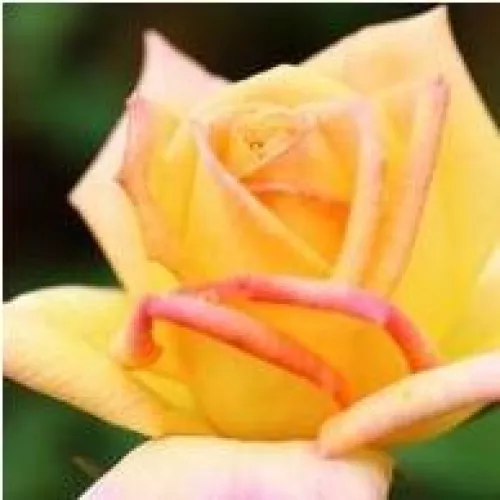
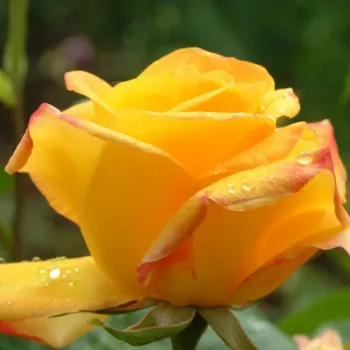
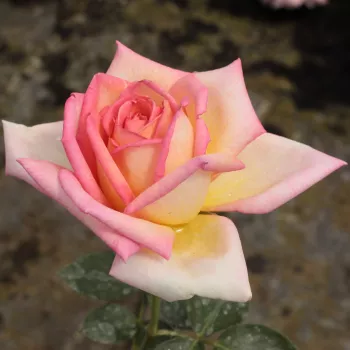
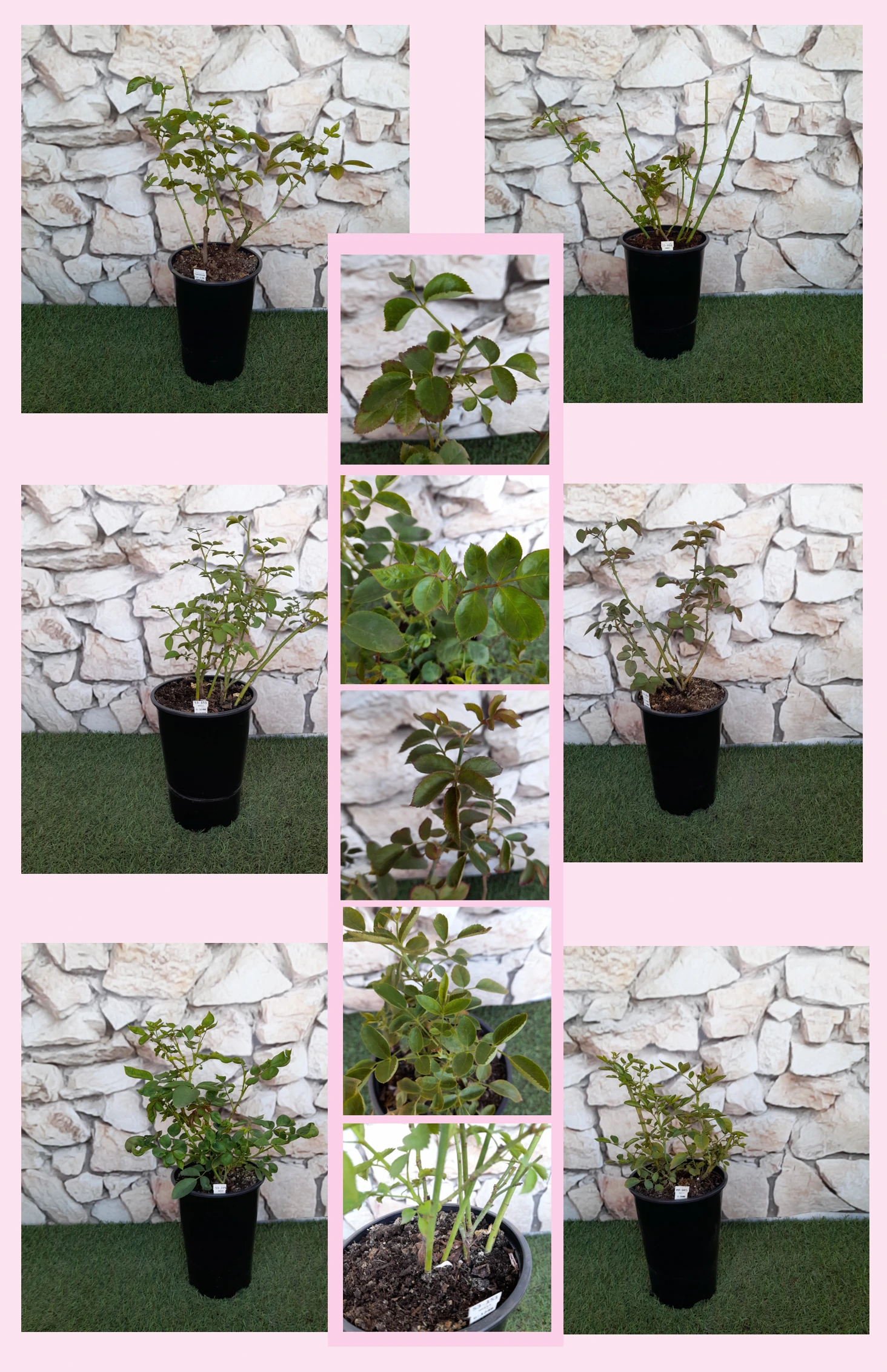
Step outside after a shower of rain and let the soft light catch the golden glow of GOLD CROWN®, a classic hybrid tea rose for Irish cottage borders and tidy city fronts. Its upright habit, medium care needs and reliable remontant flowering keep your garden looking cheerful without demanding expert skills, even where frequent rain and mild summers favour fungal challenges. Each large, goblet-shaped bloom opens a rich honey-fruity perfume, the deep yellow petals gently fading towards a creamy, peach-tinged finish. On its own roots this rose settles in steadily, building long-lived structure below ground so the top growth can recover and regenerate after pruning, weather or family life. Think in terms of a natural rhythm – rooting in year one, building strong shoots in year two, and by year three offering full impact and ornamental value. Ideal when you want lasting elegance from a single, reliable feature rose.
Usage options
| Target area |
Reasoning |
| Front-garden focal point near the entrance |
The large, goblet-shaped golden-yellow blooms and upright habit give strong visual presence in a small space, creating a welcoming feature you can enjoy daily on your way in and out. Best for a sunny, well-drained spot near the path for the honey-fruity scent to drift towards the door, suiting the busy homeowner who wants classic impact with moderate care, especially the urban beginner. |
| Mixed flowerbed in a family back garden |
Planted at 65 cm in a mixed border, GOLD CROWN® repeats well through the season, keeping a long flowering window in our relatively short Irish summers. Its medium maintenance needs fit around work and family, while own-root vigour supports a long-lived framework that copes with ordinary pruning and the odd missed feed, ideal for the time-pressed gardener. |
| Cottage-style rose and perennial combination bed |
The warm golden tones blend beautifully with soft pink lupins, magenta Lychnis and coneflowers, giving that “girly” cottage look without needing complex design. Repeat flowering ensures the rose continues to anchor the scheme while perennials weave in and out, a reassuring choice for the romantic traditionalist. |
| Specimen rose on a small lawn or gravel circle |
At 100–140 cm tall with an 80–120 cm spread, one well-grown plant can hold its own as a specimen, especially when spaced at about 120 cm. Own-root planting means that even after hard pruning the plant regenerates from true tissue, preserving shape and colour reliably for many seasons, pleasing the long-term planner. |
| Cut-flower patch for home arrangements |
This hybrid tea was bred for exhibition-quality, solitary stems with large, high-centred blooms, so it earns its place in a small cutting row. Regular cutting encourages new flowers, and the sturdy stems and clear golden colour make it easy to combine in vases, rewarding the home flower arranger. |
| Roses along a sunny front boundary or low hedge |
Planted around 55 cm apart, the upright growth habit lends itself to an informal low hedge that marks a drive or path. Moderate disease resistance, especially to black spot and powdery mildew, helps keep foliage presentable in showery Irish weather without constant spraying, appreciated by the low-input gardener. |
| Large container on a sheltered patio or terrace |
In a 40–50 litre pot with good drainage and regular watering, GOLD CROWN® performs well as a patio feature, bringing colour and fragrance close to seating. The own-root form gives better long-term stability in containers than grafted plants, useful where replanting space is limited, perfectly matching the balcony and patio owner. |
| Structure planting in a long-term rose scheme |
With ADR recognition from 1960 and hardy performance down to about -26 °C, this cultivar offers proven durability. Over the years its own-root framework thickens, so even if top growth is damaged by wind, pruning or experimentation, it reshoots true and maintains design lines, reassuring the cautious beginner. |
Styling ideas
- Cottage-Charm Border – Thread GOLD CROWN® between pink lupins and airy magenta Lychnis for a soft, storybook cottage feel – for romantic gardeners who like colour without fuss.
- Entrance Accent – Flank a front door with matched containers of GOLD CROWN® underplanted with white lobelia to highlight the golden blooms – for homeowners who want instant kerb appeal.
- Sunlit Cutting Row – Line a narrow sunny strip with evenly spaced plants to harvest long, straight stems for vases – for those who enjoy bringing their own roses indoors.
- Golden Lawn Island – Place a single specimen in a small circular bed edged with low box or thyme for a formal yet easy-care centrepiece – for planners of neat, classical family gardens.
- Warm-Toned Mix – Combine GOLD CROWN® with coneflowers and dusky grasses so its repeated blooms knit the bed together all summer – for busy gardeners seeking long-season structure.
Technical cultivar profile
| Parameter |
Data |
| Name and registration |
Hybrid tea rose, registered as Goldkrone, traded as Gold Crown® Hybrid tea rose Goldkrone; also known as Gold Crown in exhibition schedules; unregistered variety in formal registration terms. |
| Origin and breeding |
Bred by Reimer Kordes at W. Kordes’ Söhne, Germany, around 1960, with parentage undocumented; introduced by W. Kordes’ Söhne the same year for garden and cut-flower use in European climates. |
| Awards and recognition |
ADR-certified in 1960, indicating proven garden performance in independent German trials, with particular strengths in general health, ornamental value and reliability under ordinary care conditions. |
| Growth and structural characteristics |
Upright bush reaching about 100–140 cm high and 80–120 cm wide, moderately thorny, with moderately dense, slightly glossy dark green foliage forming a solid, structural presence in beds or as a specimen. |
| Flower morphology |
Large, 7–10 cm, double blooms with 26–39 petals, solitary on stems; classic high-centred cup to goblet form, bred for exhibition and cutting; remontant, with a second flush that is notably abundant in season. |
| Colour data and phenology |
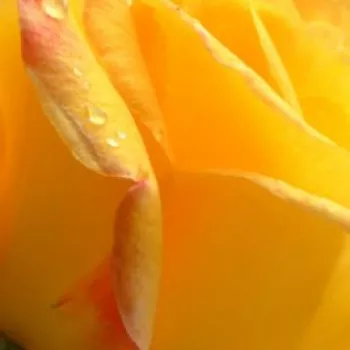
Deep golden-yellow flowers with metallic sheen; ARS dy, RHS 14A outer, 13B inner; buds bronzed; colour lightens to golden cream with peach-pink hints as blooms age, especially in strong sun and warmth. |
| Fragrance and aroma |
Medium-strength, clearly noticeable scent with a honey-fruity character; perceptible at close quarters and on still, mild days, making it suitable for seating areas and cutting for scented indoor arrangements. |
| Hip characteristics |
Rose-hip set generally sparse due to double flowers; where pollinated, produces occasional small ovoid hips 10–14 mm across, orange-red at maturity, offering modest late-season ornamental interest for wildlife. |
| Resistance and winter hardiness |
Hardy to approximately -26 to -23 °C (RHS H7, Swedish zone 4, USDA 5b); moderate overall disease resistance, notably good against powdery mildew and black spot, with rust occasionally needing attention. |
| Horticultural recommendations |
Best in full sun and fertile, well-drained soil; allow spacing of 55–120 cm depending on use; water regularly in drought, deadhead spent blooms, and provide periodic pest and disease checks as needed. |
GOLD CROWN® offers large, fragrant golden blooms, reliable repeat flowering and long-lived own-root strength for an easy-care yet classic feature rose; a thoughtful choice if you value lasting structure with manageable upkeep.