Historical Rose

53-086-1
53-086-2

Gloire de Dijon

Historic rose

- – Pierre Jacotot; Henri Jacotot

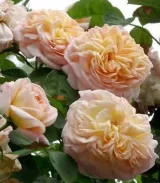
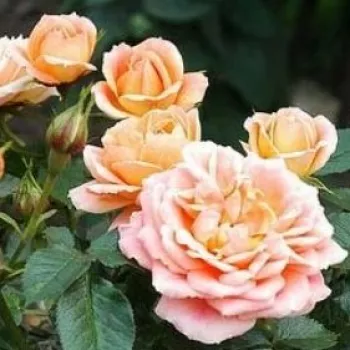
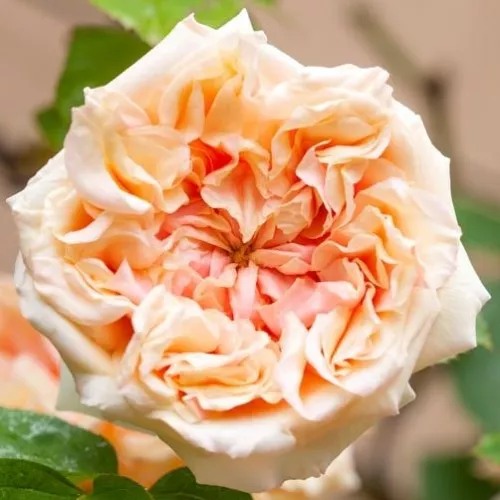
Soft creamy-peach base colour, deepened at the bases of the petals by delicate rosy shades. - historic, rambler, climber, groundcover rose - very strong, garden-filling scented rose - rich, tea-fruity

Rós dreapadóra stairiúil le bláthanna móra
– Athbhláthú flúirseach le tonnta bláthanna fada
– Boladh tae-torthúil an-láidir, gairdín-líonadh
Friotaíocht mhaith in aghaidh galair duille
– Seasann teas agus triomach go han-mhaith
Gné speisialta: Aitheanta go hidirnáisiúnta le WFRS Old Rose Hall of Fame agus RHS Award of Garden Merit.
Future-proof garden concept – Water-wise
Gloire de Dijon
antoniaROSE® ORIGINAL rós i bpota 2 lítear ar a fhréamhacha féin
19,10 €
As stoc. Faoi shaothrú. Go sealadach gan fáil.
4 (5731)
facebook   twitter

GLOIRE DE DIJON – apricot historic rambler-climbing rose

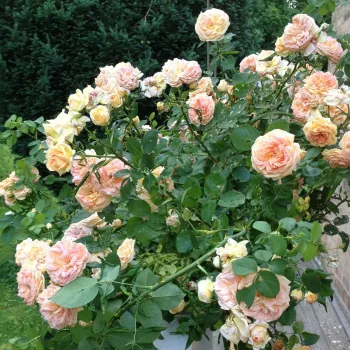
Step out to your front door and let Gloire de Dijon frame a soft, rain-washed view in creamy apricot tones, an easy-going climber that copes gracefully with damp air and Atlantic breezes while still flowering on and on. This historic rambler-climber has a richly scented, tea-fruity perfume that drifts through cottage-style spaces and terraced fronts, giving you that sense of contentment on even the busiest weekday. Planted on its own roots, it settles in steadily and repays simple care with decades of character, regenerating well after pruning or weather setbacks for a truly long-lived garden feature. In an average Irish plot it is happiest on a fence, arch, or house wall, using vertical space instead of lawn, ideal where room is tight but romance is welcome. Think in terms of year one for strong roots, year two for real structural shoots, and year three for the full curtain of bloom and fragrance.


Usage options

Target area Reasoning
Small Dublin terraced front garden Trained flat against a wall or railings, this vigorous historic climber gives you a tall, flower-draped backdrop without stealing precious ground space, while its very strong tea-fruity fragrance turns even a tiny front patch into a welcoming scented entrance for the busy urban beginner.
Irish cottage-garden pergola or arbour Long, flexible canes and remontant, very double blooms make it ideal for clothing arches and arbours, bringing waves of apricot flowers through the season; as an own-root rose it thickens up year after year into a stable, romantic tunnel for fragrance-loving homeowners.
Family seating area near patio or back door Planted close to a terrace or seating nook, the garden-filling, tea-fruity scent is enjoyed whenever you step outside, while generally low maintenance and good disease resistance keep chores light for hobby gardeners.
Clay-soil boundary fence in a windy suburb Once you provide decent drainage at planting, its vigorous climbing habit and robust root system cope well with heavy Irish soils and prevailing breezes, building a long-lived, high flowering screen that suits practical, time-poor families.
Feature rose arch as a focal point Its award-winning historic character and large, rosette blooms create a focal arch that feels both traditional and romantic; used as a specimen, it rewards simple annual pruning with ever-stronger structure and charm for design-conscious cottage owners.
Part-shaded house wall or side passage Suited to partial shade, it keeps flowering where many roses sulk, making use of awkward side passages or east-facing walls while its long-lived own-root framework quietly matures for practical, shade-challenged gardeners.
Large container on a sheltered balcony or terrace Given a 40–50 litre pot with good drainage, this climber can be trained on a trellis to bring historic rose charm and rich fragrance to hard surfaces, with light, routine care suiting busy urban residents.
Low-maintenance family garden with mixed borders With remontant flowering, good disease resistance and own-root resilience, it fits a future-proof, lower-input garden where you want reliable colour and scent more than constant fussing, even under humid, fungus-prone Irish conditions, perfect for relaxed nature-oriented buyers.

Styling ideas

  • Cottage-Arch – Train Gloire de Dijon over a wooden arch, underplanting with Rudbeckia and Liatris for late-summer texture – ideal for romantic cottage-garden lovers.
  • Front-Face – Fan it against a brick or rendered front wall, pairing with neat box balls or low lavender for contrast – suited to tidy terraced-house owners.
  • Perfumed-Corner – Place it by a bench or back-door step with pots of herbs beneath, creating a small, fragrant retreat – perfect for evening tea drinkers.
  • Wild-Soft – Let the long canes ramble along a rustic fence with Ceanothus nearby, blending soft apricot roses into blue, wildlife-friendly shrubs – for nature-focused families.
  • Balcony-Curtain – In a large container, guide its canes up a slim trellis to make a vertical veil of blooms – great for space-conscious urban gardeners.

Technical cultivar profile
Aspect Data
Name and registration Gloire de Dijon, an historic Noisette rambler-climber, marketed as an own-root, 2-litre container rose; long-established variety without formal modern registration but widely recognised.
Origin and breeding Bred by Pierre and Henri Jacotot in Dijon, France around 1850, introduced 1853; parentage ‘Desprez à fleurs jaunes’ × ‘Souvenir de la Malmaison’, combining Tea and Noisette heritage.
Awards and recognition Inducted into the World Federation of Rose Societies Old Rose Hall of Fame in 1988 and granted the Royal Horticultural Society Award of Garden Merit in 1993 for garden performance.
Growth and structural characteristics Strong climbing habit reaching approximately 3.8–6.5 m high with 1.2–2.4 m spread, moderately dense, slightly glossy dark green foliage and moderate prickliness on vigorous, flexible canes.
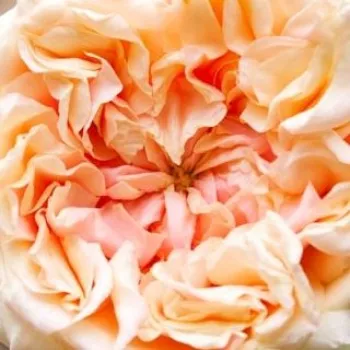
Flower morphology Very double, rosette-form clustered blooms, usually 7–10 cm across with 40+ petals; remontant with a distinct second flush, though spent flowers often need manual deadheading to stay tidy.
Colour data and phenology Soft creamy-apricot flowers deepening at petal bases with delicate rosy tints; colour may lighten and fade in intense sun or heat, moving from deeper apricot buds to pastel, ivory-edged full bloom.
Fragrance and aroma Exceptionally strong, garden-filling scent with rich tea and fruity notes; ideal for planting where people pass close by to appreciate its perfume on mild, still days and damp summer evenings.
Hip characteristics Produces moderate numbers of small, ellipsoidal orange-red hips, around 9–15 mm in diameter, offering additional late-season interest if deadheading is relaxed towards the end of flowering.
Resistance and winter hardiness Good general disease resistance, notably to black spot, powdery mildew and rust; reliably hardy to about -15 °C (RHS H6), with best performance in sheltered Irish gardens with reasonable drainage.
Horticultural recommendations Best on supports like walls, pergolas or arches; space 110–200 cm depending on use, give well-drained soil, regular watering in drought and annual formative pruning to renew flowering laterals.

Gloire de Dijon brings award-backed reliability, powerful fragrance and space-saving vertical impact in a long-lived own-root form that will quietly mature with your garden, well worth considering for your next planting decision.
Detailed product attributes

Product Identification Data

Product Name: GLOIRE DE DIJON – apricot historic rambler-climbing rose - Jacotot & Jacotot
Product Type: antoniaROSE® ORIGINAL - rós i bpota 2 lítear ar a fhréamhacha féin
Cultivar Authenticity: Cigireáilte:23.06.2025
Cultivar Merit Rating: premium silver
Item Number: [936] 53-086 (14.02.2026) antoniarose.ie

Name and Registration

Cultivar Name Meaning: The name means the glory of Dijon.
Synonym Name: Old Glory; Glory of Dijon
Trade Name: Gloire de Dijon Historic rose Jacotot & Jacotot
Rose Group: Noisette, Historical roses, Rambler
Commercial Type: historic, rambler, climber, groundcover rose
Commercial Group: Rós stairiúil
Exhibition Category: climbing rose; park rose
Collection: Historic rose

Origin and Breeding

Initial Distributor: Jacotot, Dijon (France)
Registration Year: unregistered variety
Breeder: Pierre Jacotot; Henri Jacotot
Breeding Company / Institution: Jacotot nurseries (Dijon)
Breeding Year: France, 1850
Parentage: ‘Desprez à fleurs jaunes’ × ‘Souvenir de la Malmaison’

Awards and Honours

Global and Lifetime Honours: World Federation of Rose Societies – Old Rose Hall of Fame (1988)
Horticultural Ratings and Recommendations: RHS Award of Garden Merit (1993)
Competition and Show Awards: World Federation of Rose Societies – Old Rose Hall of Fame (1988); Royal Horticultural Society – Award of Garden Merit (1993)

Growth and Structural Characteristics

Height: 380-650 cm
Spread: 120-240 cm
Growth Habit: climbing
Foliage: The variety's foliage is moderately dense. The leaves have a slightly glossy surface and a dark green hue.
Prickliness: moderately thorny
Self-Cleaning Description: A significant proportion of the spent blooms remain on the plant and require manual deadheading.
Self-Cleaning Intensity: self-cleaning: weak

Flower Morphology

Flower Fullness: very double-flowered
Flower Form: rosette
Flower Size: L (7 -10 cm)
Inflorescence Type: clustered
Colour Code: ARS code: YB RHS code: 14C, 22C
Repeat Flowering: Remontant, with an abundant second flowering.

Colour Data and Phenology

Colour: apricot
Flower Colour: Soft creamy-peach base colour, deepened at the bases of the petals by delicate rosy shades.
Closed Bud: Deep yellow bud with a slight peach‑pink tint at the tip.
Freshly Opened Flower: Creamy apricot tones with brighter golden‑apricot highlights towards the centre.
Full Bloom: Uniform beige-peach shade, with a faint rosy sheen on the undersides of the petals.
Pre-Fading Flower: The outer petals fade to ivory, the centre to a pastel peach cream.
Colour Fading Description: In strong sunlight the colour lightens, and in hot conditions it fades.

Fragrance and Aroma

Fragrance Strength: very strong, garden-filling scented rose
Fragrance Character: rich, tea-fruity
Pollinator Attraction: Its flowers moderately attract pollinators; single or semi‑double forms with accessible stamens increase attractiveness, while fully double blooms with hidden stamens reduce pollinator access and thus attraction.

Pollinator-Friendly Rating: A heavily double-flowered cultivar that only moderately attracts pollinators, and is therefore at most partially pollinator-friendly.

Rose Hip Characteristics

Rose Hip Shape: ellipsoidal
Rose Hip Colour: orange-red
Rose Hip Notes: Moderately produced, 9–15 mm in diameter, ellipsoidal, orange‑red rose hip.

Resistance and Hardiness

Hardiness (°C): -15–-12 °C
Heat and Drought Tolerance Description: Tolerates heat well; requires watering during prolonged drought.
Disease Resistance: resistant
  • powdery mildew – resistant
  • black spot – resistant
  • rust – resistant

Horticultural Recommendations

Recommended Spacing: for mass planting 125 cm, for hedging 110 cm, as a specimen 200 cm
Planting Density: in square planting 0,63 plants/m², in hexagonal arrangement 0,73 plants/m²
Partial Shade Tolerance: Suitable for partial shade
Maintenance Requirements: Maintenance requirement low; good disease resistance, generally requires minimal intervention.
Key Uses: climbing rose, pergola, wall, arbour, rose arch, specimen, cut flower

Notes

Strengths: Future-proof garden concept – Water-wise
Companion Plants: Ceanothus thyrsiflorus - Californian lilac Liatris spicata 'Kobold' - spiked gayfeather Rudbeckia fulgida - splendid coneflower
Note: -
GLOIRE DE DIJON – apricot historic rambler-climbing rose - Jacotot & Jacotot
Soft creamy-peach base colour, deepened at the bases of the petals by delicate rosy shades. - historic, rambler, climber, groundcover rose - very strong, garden-filling scented rose - rich, tea-fruity
Ordú rósanna ar líne - historic, rambler, climber, groundcover rose - Gloire de Dijon - apricot - (380-650 cm)
Bláthaireacht: clustered airde: 380-650 cm Cruth na bláthanna: rosette Friotaíocht gheimhridh: 6b apricot - Jacotot, Dijon (France) historic, rambler, climber, groundcover rose - Méid an bhlátha: L (7 -10 cm) Méid an bhlátha: L (7 -10 cm) - airde: 380-650 cm airde: 380-650 cm - Líon bláthanna: very double-flowered Gloire de Dijon - Rósanna sa ghairdín | antoniaROSE® Original - premium silver Pierre Jacotot; Henri Jacotot

Léirímid cuma sheachtrach ár rósanna atá le ceannach ar líne ónár siopa gréasáin.


Which product type is right for you?


Information

In what condition do we send the roses from our online shop?

Let us ask ourselves the question: What do I want to use the rose for?
Flower? – Location? – Screening? – Fragrance? – Height? – Breeder? – Rose hips?

Rose purchase information
Payment methods – Delivery costs – Delivery – Complaints handling

Care guide

Our product is a rose grown with unique pharmaROSA® cultivation technology!

2 litre, own-root, potted rose.
With shoots appropriate to the season.
With roots thoroughly interwoven through the growing medium.
Quality in line with the requirements of the E.N.A. (European Nurserystock Association).
In unique packaging that prevents damage.
Can be planted during frost-free periods.
True-to-type rose plant with an individual identifier.

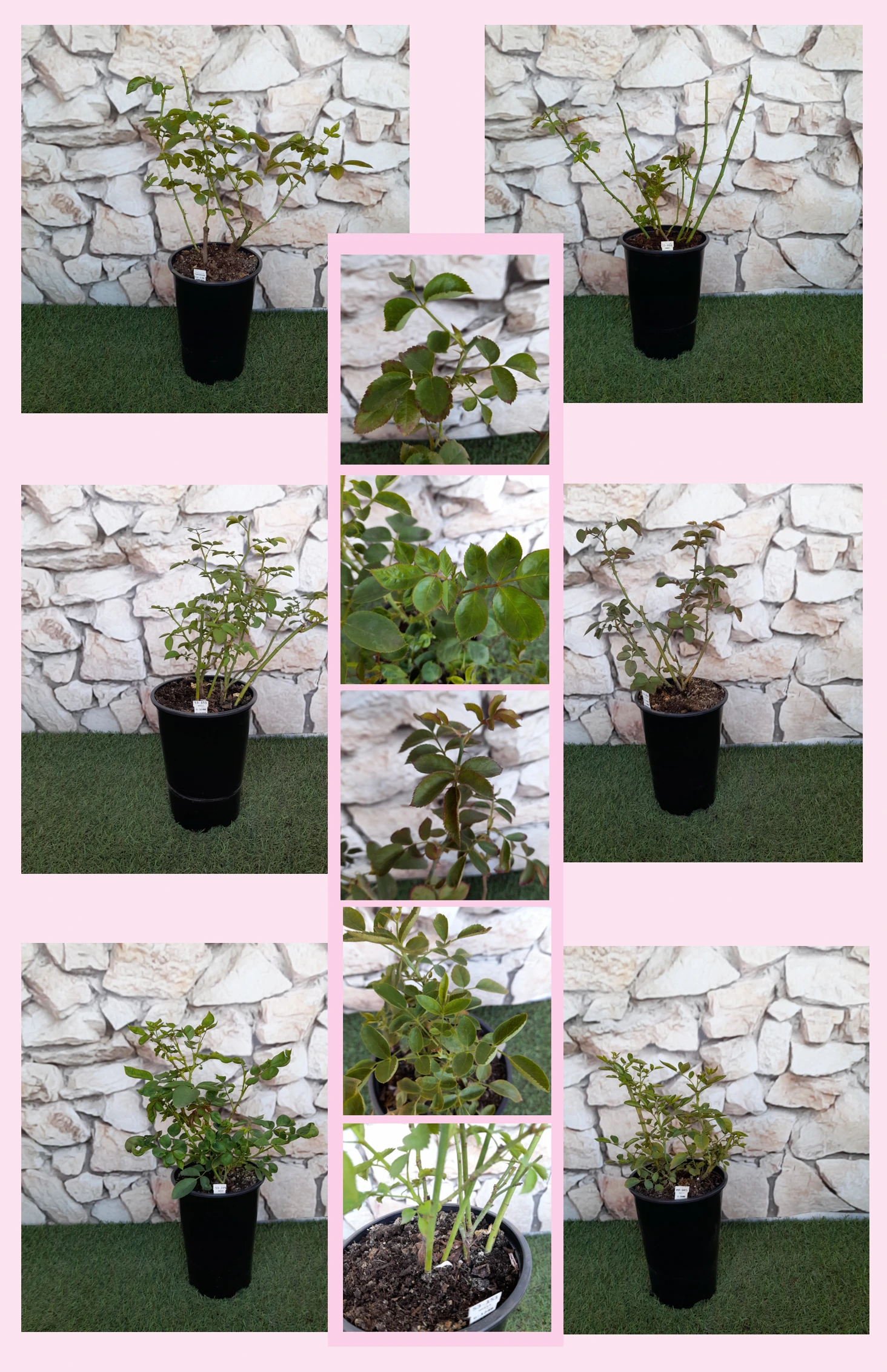
The pharmaROSA® own-root potted rose is a well-rooted plant that supports reliable establishment when planted and cared for properly, so it can be planted whenever the soil is not frozen.


Stock: several varieties and several stages of development in a short stock section.
Shoot system: intensive growth of fresh basal shoots on a young plant.
Root system: presentation of the strong root system interwoven through the growing medium with the pot removed.
Balance: mature plant where the development of the root system and the shoots is in harmony.

Information about the videos
The video series is not a “seasonal showcase”, but makes the essence of pharmaROSA® own-root production tangible: how the plant is built, what the root system is like and how the shoots renew themselves. The footage was therefore taken at different times, showing plants at different stages of development, so mixed leaf coverage or differing growth stages may appear in the videos. This is not a “sample” of the batch delivered, but an illustration of how the technology works. The current condition of the rose available to order — typical of the given period and similar to what you can expect to receive in the parcel — is shown at the top of the product page.

pharmarosa.bepharmarosa.compharmarosa.skpharmarosa.espharmarosa.czpharmarosa.ropharmarosa.plpharmarosa.itpharmarosa.hrpharmarosa.sipharmarosa.atpharmarosa.frpharmarosa.nlpharmarosa.depharmarosa.grpharmarosa.dkpharmarosa.iepharmarosa.lupharmarosa.ptpharmarosa.bgpharmarosa.ltpharmarosa.sepharmarosa.lvpharmarosa.eepharmarosa.fipharmarosa.rudarinarose.co.uk

Cineálacha táirgí

Pages for private customers
Garden roses for the family garden, with minimal care  → ORIGINAL®
Premium garden roses – instant impact, a truly showpiece garden  → EXTRA®
Pages for professionals and private customers
Roses for public spaces – large areas, sustainable maintenance  → NATURAL®
Roses for projects – hedge and row planting, fast implementation  → RAPID®
For professional partners only
Production – propagation material for garden roses, wholesale  → NEONATAL®

Sonraí cuideachta

PharmaRosa Ltd.
Company registration number: 01-09-717479
VAT number: 13075314-2-43
Plant health registration no.: HU130721
Bank account (IBAN):
HU85117631891388688400000000
BIC (SWIFT): OTPVHUHB
Bank name: OTP Bank Nyrt.