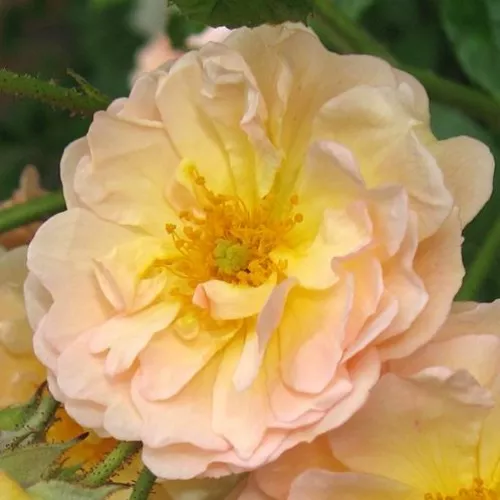
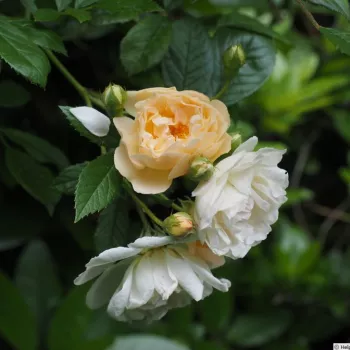
GHISLAINE DE FÉLIGONDE – yellow historic rambler, climbing-sprawling rose - Turbat
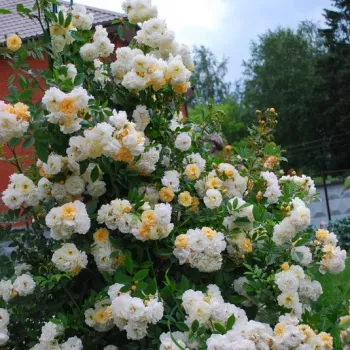
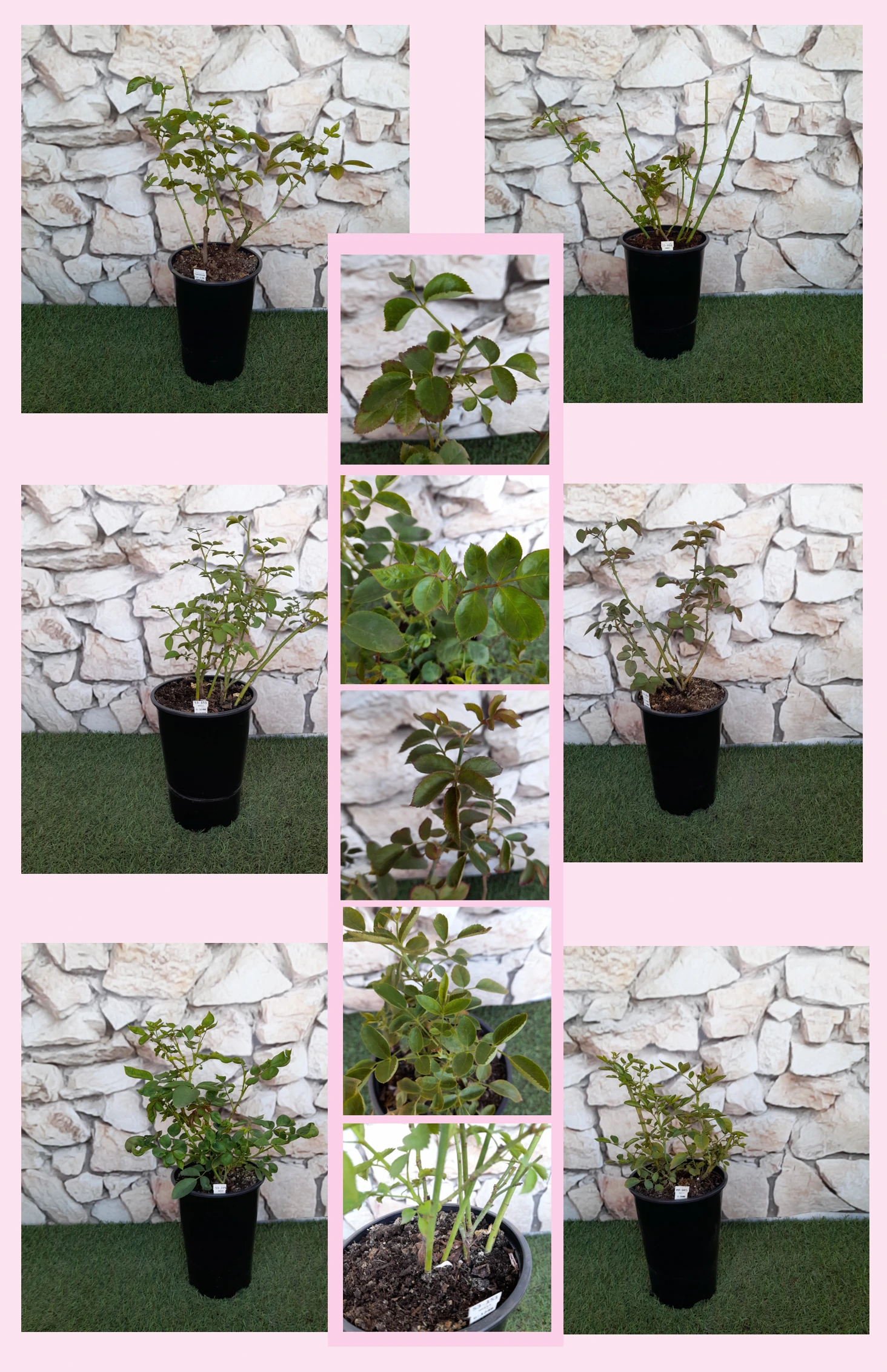
Slip out the back door for a moment of cottage calm and you will find Ghislaine weaving herself into arches, fences and walls with soft amber and cream clusters that glow in rainfall and evening light. This gentle historic rambler feels right at home in Irish gardens, coping reliably with cool summers and the kind of frequent showers and breezes that bring greenery to life. Medium care is enough to enjoy months of bloom and fragrance, while the own‑root form means she quietly rebuilds herself after pruning or weather damage, supporting that natural rhythm of year‑one roots, year‑two shoots, year‑three full effect for long‑term presence and easygoing romance.
Usage options
| Target area |
Reasoning |
| Pergola beside a patio seating area |
Trained over a pergola, this rose creates a soft, dappled ceiling of peach‑cream clusters and a sweet, nectar‑like scent that drifts around you on mild evenings. Flowers repeat through summer without fussy deadheading, suiting relaxed evening unwinds for the fragrance‑loving homeowner. |
| Traditional Irish cottage-style front garden |
Its pastel yellow and blush tones echo old cottage borders, pairing beautifully with foxgloves and simple perennials for a storybook look. The rose’s long-term presence and own‑root resilience mean it will anchor the front garden for decades, rewarding the heritage‑minded gardener. |
| Dublin terraced-house railings or low wall |
On a small frontage, this climber gives big impact without needing complex care. Medium maintenance and moderate disease resistance fit busy city life, while manageable growth makes it easier to keep within boundaries, ideal for the time‑pressed urban resident. |
| Family garden fence or boundary screen |
Its dense, lightly glossy foliage and arching stems form a leafy, flower‑strewn screen with barely any thorns, kinder around narrow paths and play areas. The own‑root base allows steady regeneration after pruning, supporting a long‑lived, reliable boundary for the practical family owner. |
| Romantic rose arch or entrance way |
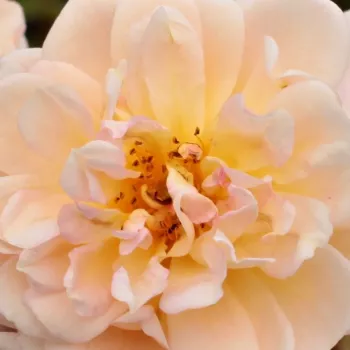
Semi-double, softly coloured blooms open in generous clusters, giving a welcoming, romantic arch that looks good in rain or soft light. The medium, clear scent greets you at nose height, enhancing that short outdoor walk under gentle raindrops for the atmosphere‑seeking visitor. |
| Lightly shaded corner or north–east aspect |
This variety tolerates partial shade, so it keeps flowering where many climbers sulk, especially in typical Irish light conditions. Planted with thoughtful drainage on heavier soils, it will settle and repeat reliably for the problem‑spot‑tackling planter. |
| Large container on terrace or balcony (40–50 L+) |
In a 40–50 litre or larger container with good drainage, it provides vertical colour where ground is limited. Own‑root growth gives a stable framework that responds well to renewal pruning, making long‑term pot culture realistic for the space‑conscious balconist. |
| Mixed wildlife-friendly border |
Semi-double blooms gradually reveal their stamens, offering moderate pollen access, while occasional red hips add late-season interest. In repeat flushes it complements nectar-rich perennials, suiting those who want beauty with some pollinator value in a relaxed, nature‑leaning gardener. |
Styling ideas
- Cottage Arch – Train over a simple wooden arch with foxgloves and hardy geraniums beneath, echoing old Irish cottage paths – ideal for nostalgia‑loving homeowners.
- Soft Screen – Let it drape along a fence with hydrangeas and ferns in front to soften boundaries – perfect for families wanting privacy without harsh lines.
- City Welcome – Clothe railings by a terraced doorway, underplant with lavender in large pots for scent and bees – suited to busy urban dwellers.
- Pastel Pergola – Combine on a pergola with pale clematis such as ‘Amber’ for layered blossom and extended bloom – great for evening entertainers.
- Wildlife Border – Weave through a mixed hedge with dogwood and late perennials to blend flowers, hips and seasonal colour – attractive to nature‑oriented gardeners.
Technical cultivar profile
| Parameter |
Data |
| Name and registration |
Ghislaine de Féligonde, heritage rambler and ornamental climber; trade name Ghislaine de Féligonde Heritage rose Turbat; unregistered cultivar, American Rose Society exhibition name Ghislaine de Féligonde. |
| Origin and breeding |
Hybrid Multiflora / Hybrid Musk rambler, bred by Eugène Turbat & Compagnie, Orléans, France, from ‘Goldfinch’ × unknown seedling; introduced in 1916 as a historic climbing-creeping garden rose. |
| Awards and recognition |
Bagatelle International New Rose Competition, Paris – Certificate of Merit 1916; Royal Horticultural Society – Award of Garden Merit, confirming strong, reliable garden performance across seasons. |
| Growth and structural characteristics |
Vigorous climbing habit, typically 240–420 cm high and 160–300 cm spread; dense, light green, slightly glossy foliage; shoots are only lightly armed, with very few prickles, easing training and maintenance. |
| Flower morphology |
Semi-double, cup-shaped clusters with 13–25 petals, small 1–4 cm blooms; first flush abundant with a lighter second remontant flush; moderate self-cleaning with some spent flowers persisting in larger clusters. |
| Colour data and phenology |
Warm golden-yellow buds age through peach and cream to pastel yellow with a faint rosy tinge; colour fades faster in heat, and overall effect is soft, variable pastel tones over a long summer flowering period. |
| Fragrance and aroma |
Medium-strength, clearly perceptible scent with a sweet, nectar-like character; fragrance noticeable at close to moderate distance, especially in still, humid conditions and around structures that hold the scent. |
| Hip characteristics |
Occasional small hips, approximately 5–9 mm, spherical and red (RHS 46A); not produced in great quantity but add discreet late-season colour and some wildlife interest when present. |
| Resistance and winter hardiness |
Fully hardy to approximately −26 to −23 °C (RHS H7, USDA 5b, Swedish Zone 4); disease resistance medium to powdery mildew, black spot and rust, so occasional preventive care is advisable in humid seasons. |
| Horticultural recommendations |
Suited to pergolas, arches, walls, fences and as a solitary specimen; plant 130–220 cm apart, ensuring free-draining soil on heavier clays, regular watering in dry spells, and light pruning to manage size and renewal. |
GHISLAINE DE FÉLIGONDE offers romantic pastel clusters, a clear sweet fragrance and long-lived own-root resilience for arches, fences or cottage fronts, making it a thoughtful choice for a gently indulgent garden investment.