GESCHWINDS ORDEN – purple-pink historic old garden rose
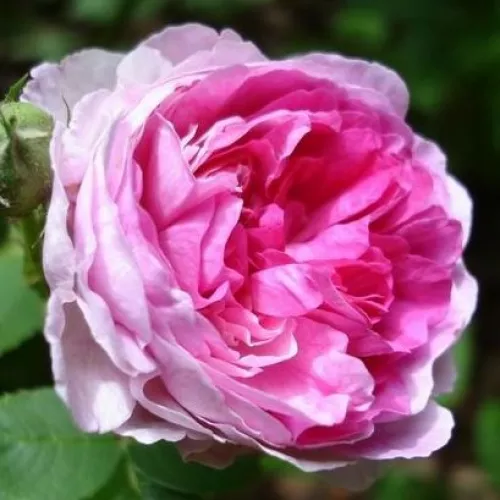
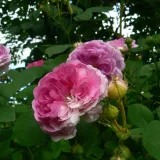
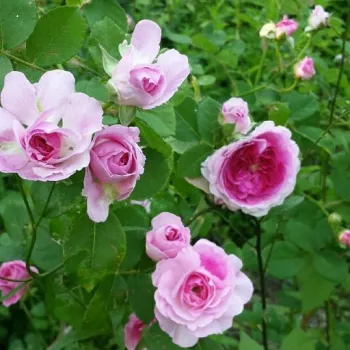
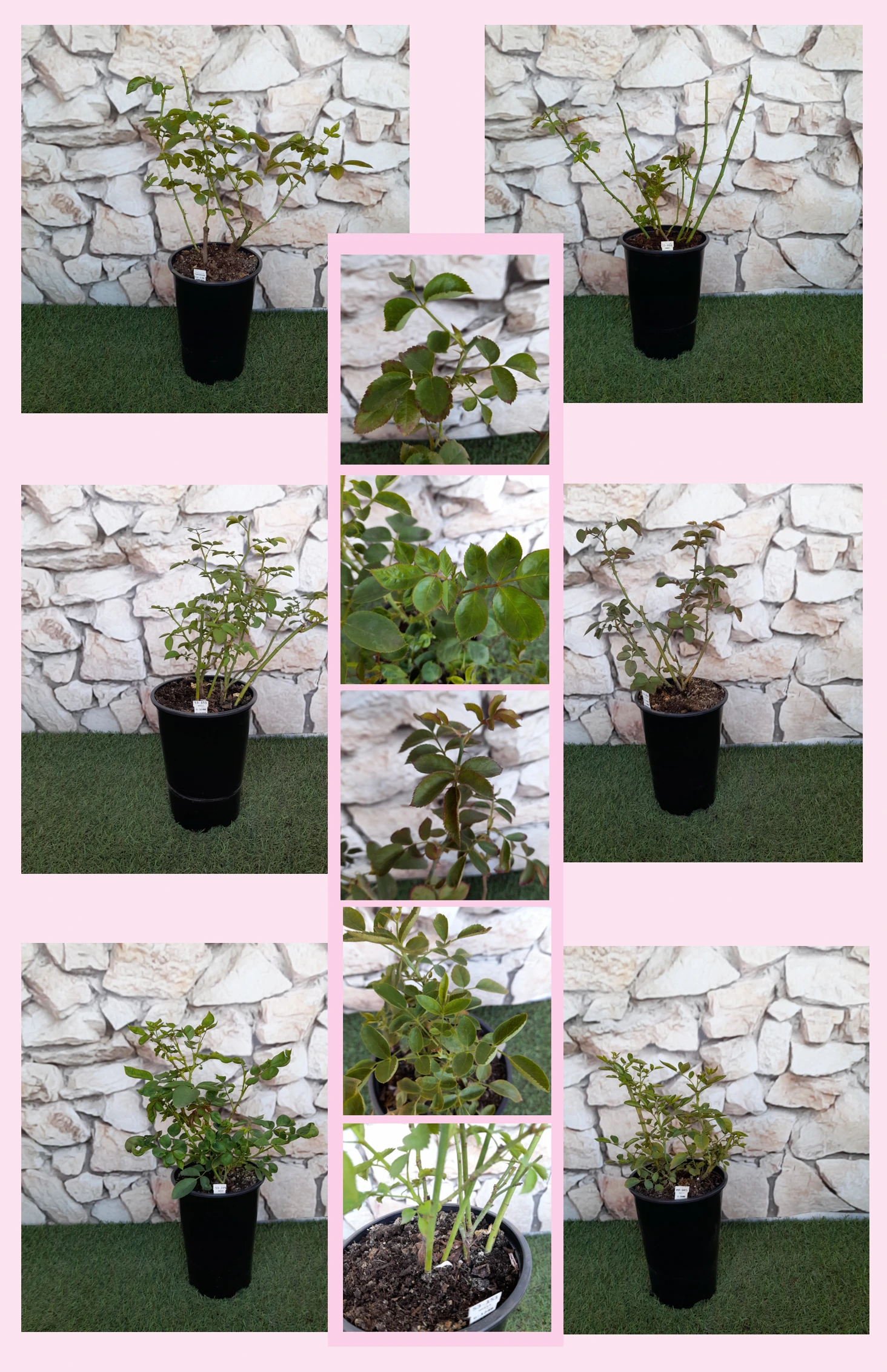
Step out to the pergola after rain and discover the romantic cascade of GESCHWINDS ORDEN – a heritage climbing rose whose once-a-year summer display transforms fences, arbours and cottage-style facades into a curtain of purplish-pink rosettes. Bred in 1885, it brings enduring character to Irish family gardens, coping reliably with our cool summers and frequent showers as it matures into a generously sized climber. Own-root growing in the 2-litre pot gives reassuring stability and long-term resilience, ideal when you want a plant that settles in and simply gets on with the job. In your first year it focuses on strong roots, in the second its framework of shoots builds up, and by the third year you enjoy its full presence as a soft, green backdrop touched with nostalgic colour. For front gardens and cottage plots alike, it’s a gentle way to add height, privacy and a quietly joyful mood.
Usage options
| Target area |
Reasoning |
| Pergola in an Irish cottage-style back garden |
This robust climber is ideal for clothing a wooden or metal pergola with a once-a-year spectacle of mauve-pink, rosette-shaped blooms, creating a shady tunnel of foliage for summer seating. Medium maintenance and good hardiness suit relaxed cottage spaces and allow gradual shaping rather than constant pruning, appealing to the hobby gardener. |
| Terraced-house front fence in Dublin |
GESCHWINDS ORDEN’s tall, spreading habit makes it perfect for greening up a plain front fence, bringing character and screening without demanding daily attention. Own-root vigour means it settles well even where soil is compacted, steadily forming a long-lived framework that softens city boundaries, reassuring the busy homeowner. |
| Arbour or archway at a garden entrance |
The arching canes thread easily over an arbour or arch, giving a welcoming sweep of dark green foliage and a concentrated summer flush of historic-style flowers. Once established, it mainly needs an annual tidy and tying-in, offering reliable structure and charm for the beginner gardener. |
| Solitary specimen climber on a sturdy obelisk |
Planted as a specimen with its own strong support, this heritage rose becomes a vertical focal point, its sparsely thorned shoots making training more comfortable. Over time it forms an airy, architectural pillar of growth that anchors planting schemes and rewards patient, thoughtful garden planners. |
| Long, informal boundary planting or hedge |
With recommended spacing around two metres for hedging, it can create a loose, informal boundary full of old-fashioned charm. The once-flowering habit suits those happy with a seasonal highlight followed by a green screen, and its winter hardiness provides peace of mind for the value-conscious buyer. |
| Large country-garden backdrop against outbuildings |
Its mature height of up to five and a half metres makes it well suited to softening sheds or old walls, blending beautifully with traditional rural settings. The medium disease resistance and tough constitution cope well with exposed sites, reassuring the rural gardener. |
| Container-grown climber near a sheltered patio |
In a very large container of at least 40–50 litres with good drainage, this rose can be enjoyed close to the house, provided it is well supported and watered. Own-root growth gives it the capacity to regenerate if cut back, ideal for long-term patio use by the space-limited gardener. |
| Responsible, low-chemical old-rose collection |
Selected as a “responsible gardening – value-based choice”, this historic cultivar offers medium disease resistance and significant winter hardiness, fitting well where you wish to avoid constant spraying in a damp, rain-prone climate with steady fungal pressure. It supports thoughtful decisions by the eco-minded buyer. |
Styling ideas
- Cottage-arch romance – Train GESCHWINDS ORDEN over a white-painted metal arch, underplant with lavender and soft pink campanulas for a lilac-and-silver palette – ideal for front-garden traditionalists.
- Soft boundary veil – Let it drape loosely along a post-and-rail fence with Echinacea ‘Big Kahuna’ and daylilies at the base to extend interest after flowering – perfect for relaxed family gardens.
- Heritage focal pillar – Grow it on a tall wooden obelisk backed by dark green cherry laurel ‘Klári’ so the dusky blooms stand out – suited to collectors of old roses.
- Patio pergola nook – Use a sturdy pergola by a seating area, allowing canes to form a leafy roof while underplanting with fragrant herbs for a simple, immersive retreat – ideal for busy urban homeowners.
- Country-yard curtain – Soften a shed wall by fanning the rose along horizontal wires, mixing in white foxgloves and astrantias for a gentle, layered look – appealing to lovers of rustic charm.
Technical cultivar profile
| Property |
Data |
| Name and registration |
GESCHWINDS ORDEN is a historic Hybrid Multiflora climbing rose, commercial type “Rós stairiúil”, introduced 1885; an unregistered heritage cultivar with the American Rose Society exhibition name Geschwinds Orden. |
| Origin and breeding |
Bred by Rudolf Geschwind in Hungary around 1880 from (Rosa rugosa × Rosa multiflora) × Rosa rugosa ‘Alba’; first distributed by Ketten Frères of Luxembourg, making it a notable Central European heritage rose. |
| Growth and structural characteristics |
Strong, climbing habit reaching about 350–550 cm high with a 240–380 cm spread; moderately dense, dark green, matt foliage and relatively sparse prickles, requiring firm support structures and regular tying-in. |
| Flower morphology |
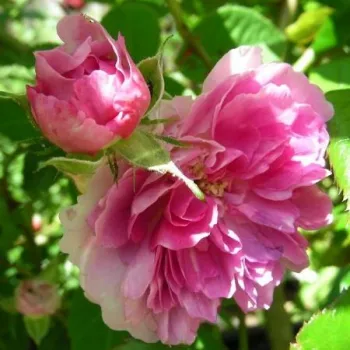
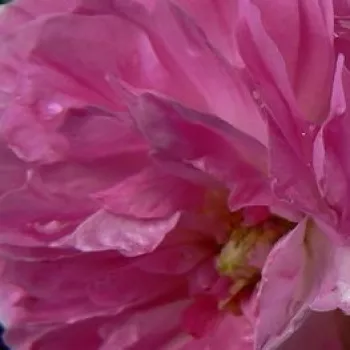
Medium-sized, very double, rosette-shaped blooms of 4–7 cm in clustered trusses; once-flowering in early summer, offering a concentrated seasonal display rather than repeat flushes through the season. |
| Colour data and phenology |
Crimson-pink inner petals with paler, almost whitish outer whorl; colours fade from vivid purplish-crimson to dusty silvery pink with white-edged petals, showing ARS code MAU, RHS 65C outer and 72A inner tones. |
| Fragrance and aroma |
Fragrance is very weak and barely noticeable; primarily grown for its visual effect and traditional flower form rather than perfume, making it suitable where scent is not a key selection criterion. |
| Hip characteristics |
Rose-hip formation is usually minimal due to the very double blooms, but it can occasionally produce small spherical orange-red hips 10–14 mm in diameter, adding discreet late-season interest. |
| Resistance and winter hardiness |
Medium resistance to powdery mildew, black spot and rust; extremely hardy down to about –37 to –34 °C (H7, USDA 3b, Swedish zone 6), performing reliably in cold winters with appropriate site and care. |
| Horticultural recommendations |
Best for pergolas, fences, arbours and solitary supported specimens; maintenance is medium, with occasional pest and disease checks and structural pruning; recommended spacing 180–330 cm depending on use. |
GESCHWINDS ORDEN brings a once-a-year cascade of nostalgic colour, impressive height and long-term own-root reliability to supports and boundaries; consider it if you’d like a quietly enduring presence in your garden.