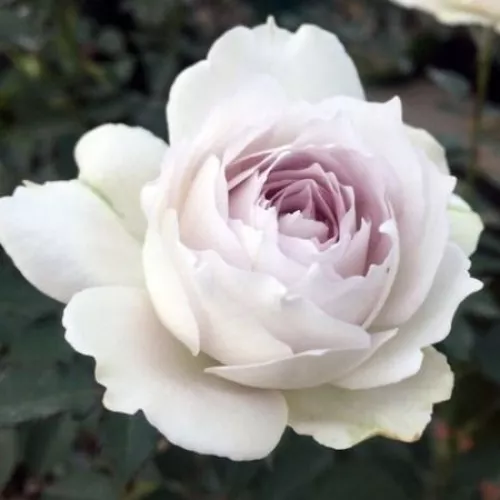
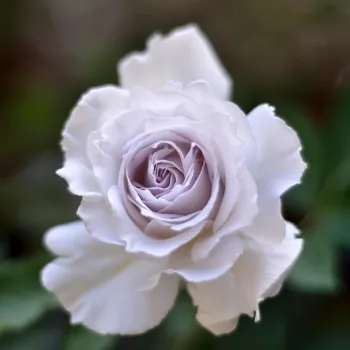
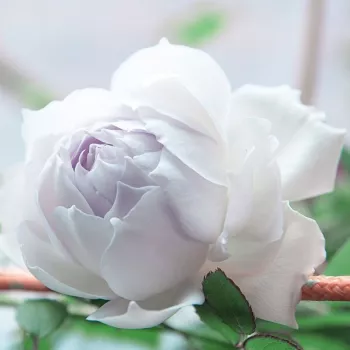
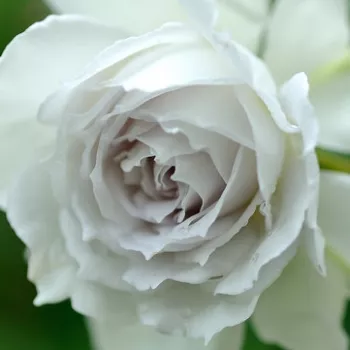
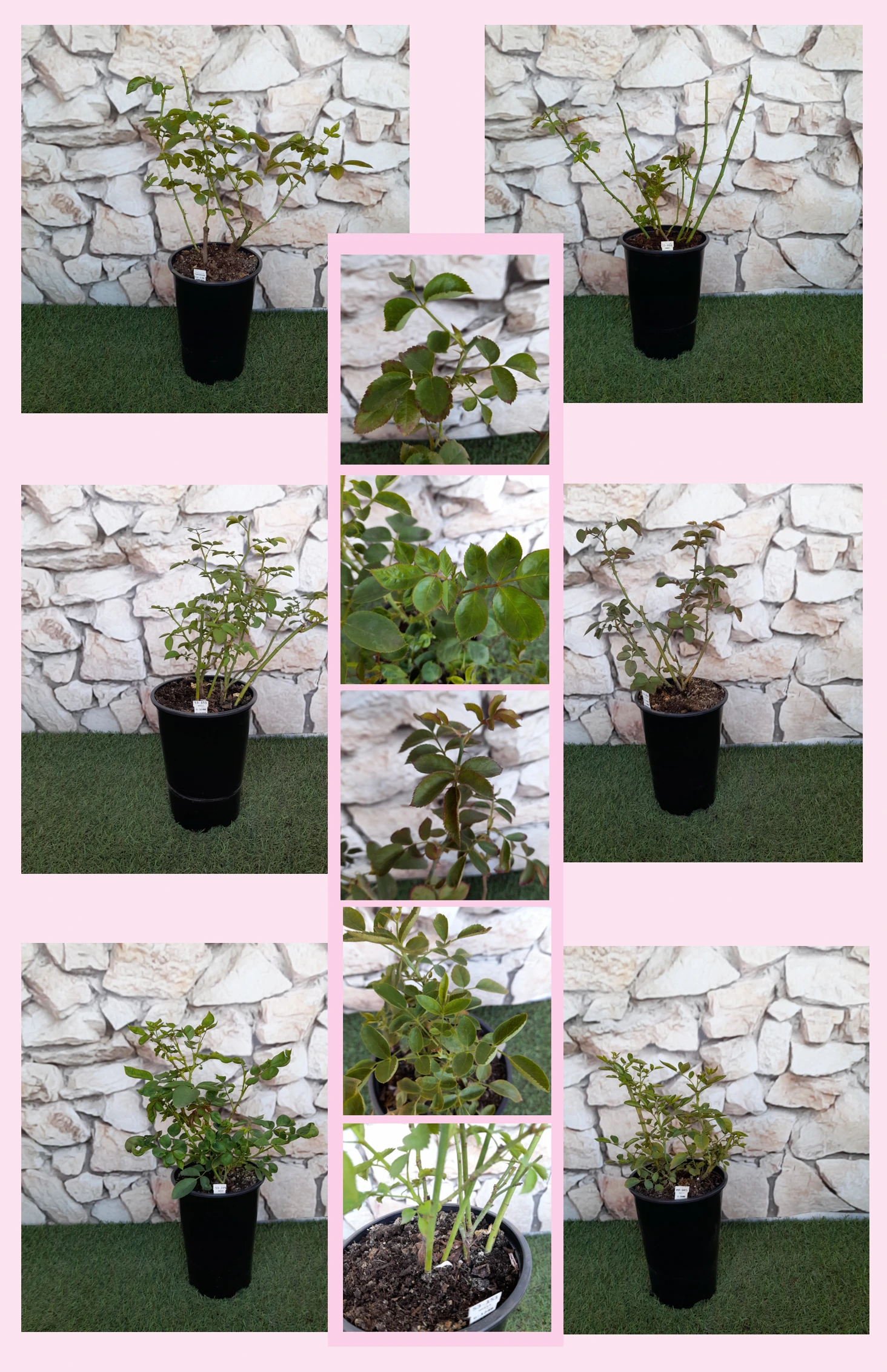
GABRIEL – white-lilac bedding floribunda rose
Step outside to Gabriel on a soft Irish morning and you will find clusters of pompon blooms in a misty blend of white and lavender-grey, catching the light even in narrow Dublin front gardens and cottage borders. This compact, bushy floribunda is bred for ease, with low-maintenance growth and strong disease tolerance that fits busy families who simply want reliable colour rather than endless chores. Own-root plants settle steadily, building long-lived resilience and the ability to bounce back after rough pruning or winter weather, especially where regular rain meets heavy soil and careful drainage is needed. Over the first few seasons it quietly deepens its root system, then pushes stronger flowering shoots, and by the third year it reveals its full, romantic cottage-garden character.
Usage options
| Target area |
Reasoning |
| Small front garden focal shrub |
Gabriel’s bushy yet compact habit and medium height make it ideal as a single, eye-catching shrub by a gate or front door, giving structured form and elegant white-lilac flowers without overwhelming a modest space, suiting the style of the hobby gardener. |
| Cottage-style flowerbed groups |
Planted in loose drifts at 50 cm spacing, Gabriel forms a soft, flowering backdrop for perennials, with its repeat-flowering clusters adding cottage charm right through the season while remaining straightforward to look after for the relaxed cottage gardener. |
| Low-maintenance family flowerbed |
With good resistance to common fungal problems, Gabriel needs little spraying or fuss; a basic mulch and occasional deadheading are usually enough to keep it healthy and floriferous, making it practical for the busy family gardener. |
| Own-root long-term planting |
As an own-root rose, Gabriel avoids issues with failing grafts and tends to regenerate strongly from the base after hard pruning or winter damage, suiting those planning a rose that will mature gracefully with the long-view homeowner. |
| Rain-tolerant urban front border |
Gabriel copes well with typical Irish rainfall and humidity when given decent soil structure and drainage, making it a reassuring choice for exposed or frequently wet city plots, particularly for the cautious urban gardener. |
| Lightly scented seating area |
Its softly sweet, medium-strength fragrance is noticeable without being overpowering, making Gabriel a pleasant companion near a bench or path where you pass frequently, especially appreciated by the fragrance-loving garden visitor. |
| Season-long colour display |
The remontant habit with an abundant second flush provides repeated waves of bloom; regular deadheading helps direct energy into new clusters so the plant keeps performing from early summer into autumn for the colour-seeking beginner. |
| Large patio container planting |
In a generous 40–50 litre pot with good drainage, Gabriel’s arching, cluster-flowered shoots create a full, romantic effect on patios or small terraces, with manageable size and simple care routines that suit the time-pressed container gardener. |
Styling ideas
- COTTAGE RIBBON – weave a loose row of Gabriel along a path, underplant with garden pinks and dwarf asters for a soft, storybook cottage look – ideal for nostalgic romantics.
- DUBLIN DOORSTEP – flank a terraced-house doorway with two large containers of Gabriel, underplanted with trailing ivy for year-round structure – perfect for style-conscious city dwellers.
- EVENING PERFUME – position Gabriel near a favourite bench and mix with windflowers and scented herbs to enjoy gentle fragrance on mild evenings – suited to fragrance-focused relaxers.
- SOFT HEDGE – plant a loose, low hedge at 40 cm intervals, combining Gabriel with airy perennials to frame lawns without hard lines – good for informal-family gardeners.
- WHITE GLOW – create a pale-toned bed with Gabriel, silver foliage plants and soft grasses so the blooms catch the last light – appealing to lovers of tranquil spaces.
Technical cultivar profile
| Property |
Data |
| Name and registration |
Gabriel – bedding floribunda, shrub-type floribunda rose; registered as Gabriel, commercial name Gabriel Flowerbed rose Gabriel, part of the Rósra bhláthchlóis collection. |
| Origin and breeding |
Bred by Junko Kawamoto, Kawamoto Rose Garden, Japan; breeding and registration in 2008, introduced in Japan the same year, exact parentage not recorded or publicly documented. |
| Growth and structural characteristics |
Bushy, slightly spreading shrub with arching flowering shoots, around 80–120 cm tall and 60–85 cm wide, moderately thorny stems and mid-green, slightly glossy foliage of medium density. |
| Flower morphology |
Very double, spherical pompon-type clusters on medium stems, typically 4–7 cm across, with more than 40 petals per bloom, repeat flowering with a notably abundant second flush in suitable conditions. |
| Colour data and phenology |
Delicate white flowers with pastel lavender-grey centres; ARS white, RHS 155D outer, 76D inner; buds silver-tinged, colour lightening in strong sun yet maintaining a soft, misty, cool-toned appearance overall. |
| Fragrance and aroma |
Softly sweet fragrance of medium intensity, clearly noticeable on calm days without being overpowering; suitable for paths, entrances and seating areas where a gentle, refined scent is desired. |
| Hip characteristics |
Hips only occasionally set due to very double flowers; when present they are small, spherical, orange-red, about 8–12 mm in diameter, and of modest ornamental or wildlife value overall. |
| Resistance and winter hardiness |
Rated resistant to powdery mildew, black spot and rust; winter hardy to approximately −21 to −18 °C (H7, USDA 6b, Swedish zone 3), with moderate heat tolerance in warmer, brighter summer periods. |
| Horticultural recommendations |
Best in sunny positions with well-drained soil; ideal for containers, beds, low hedging and cutting; space 40–75 cm depending on use, deadhead regularly as self-cleaning is weak to sustain flowering. |
Gabriel offers romantic repeat-flowering clusters, gentle fragrance and low-maintenance resilience on its own roots, making it a thoughtful choice for gardeners seeking lasting, uncomplicated beauty.