Gaard um Titzebierg – lilac-pink park shrub rose (VELverd)
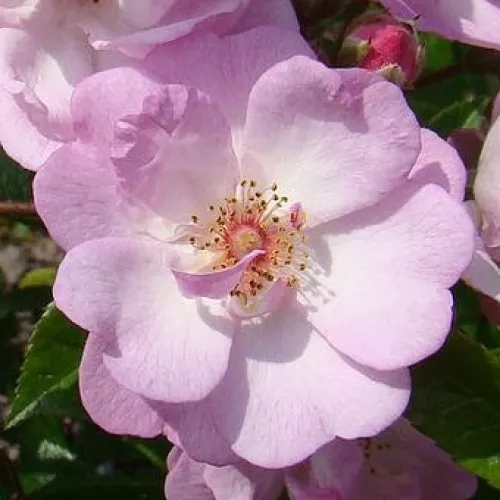
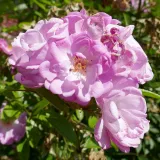
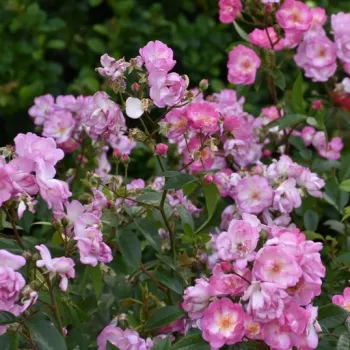
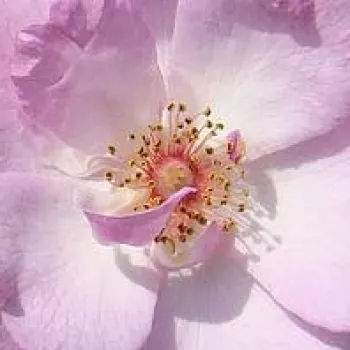
Soft lilac-pink clusters, a light honeyed fragrance and gently shifting colour make Gaard um Titzebierg an uplifting presence for everyday Irish cottage and front gardens. Its semi-double blooms open wide, giving easy stamen access for bees and other pollinators, while the Hybrid Musk background keeps flowering repeating steadily through our shorter summers. Own-root plants settle in reliably and build a long-lived framework with minimal fuss, well suited to damp lawns, narrow beds and conditions where careful drainage is needed on heavier soils. Moderately dense, mid-green foliage on an upright, sparsely thorned shrub offers relaxed hedging structure or a soft, informal border accent. In autumn, the clusters of small orange hips add seasonal interest for both you and garden birds, extending enjoyment beyond the main flowering season.
Usage options
| Target area |
Reasoning |
| Cottage-style mixed border |
The upright habit and 120–170 cm height give gentle vertical structure behind perennials, while lilac-pink clusters repeat through the season for a relaxed, country feel with little pruning beyond an annual tidy, suiting the time-poor beginner |
| Informal flowering hedge |
Plant 90 cm apart to create a loose screen with mid-green, slightly glossy foliage and airy clusters that flower repeatedly, then carry attractive orange hips, ideal where you want privacy and colour without high-maintenance clipping, perfect for the busy homeowner |
| Pollinator-friendly front garden strip |
Semi-double, cluster-flowered heads provide easy access to stamens, drawing bees along paths and low front boundaries while staying compact in width, so you gain movement and gentle fragrance without crowding pavements, appealing to the nature-minded urbanite |
| Feature shrub in small family garden |
As a solitary plant at about 180 cm spacing, it forms a graceful, upright shrub that anchors a lawn corner or patio edge, combining long flowering and bird-attracting hips so one plant delivers interest across seasons, ideal for the practical gardener |
| Container on terrace or balcony |
In a large 40–50 litre pot with good drainage, its moderate vigour and repeat blooms give a soft-focus focal point near seating, while own-root resilience offers steady recovery if watering lapses, supporting the schedule-juggling commuter |
| Clay-prone, rainy Irish plots |
Provided you improve drainage with grit and organic matter, the robust shrub frame and Hybrid Musk background cope well in typical Irish moisture and mildness where shorter, cooler summers still reward you with remondant clusters, reassuring the weather-aware buyer |
| Low-effort long-term planting |
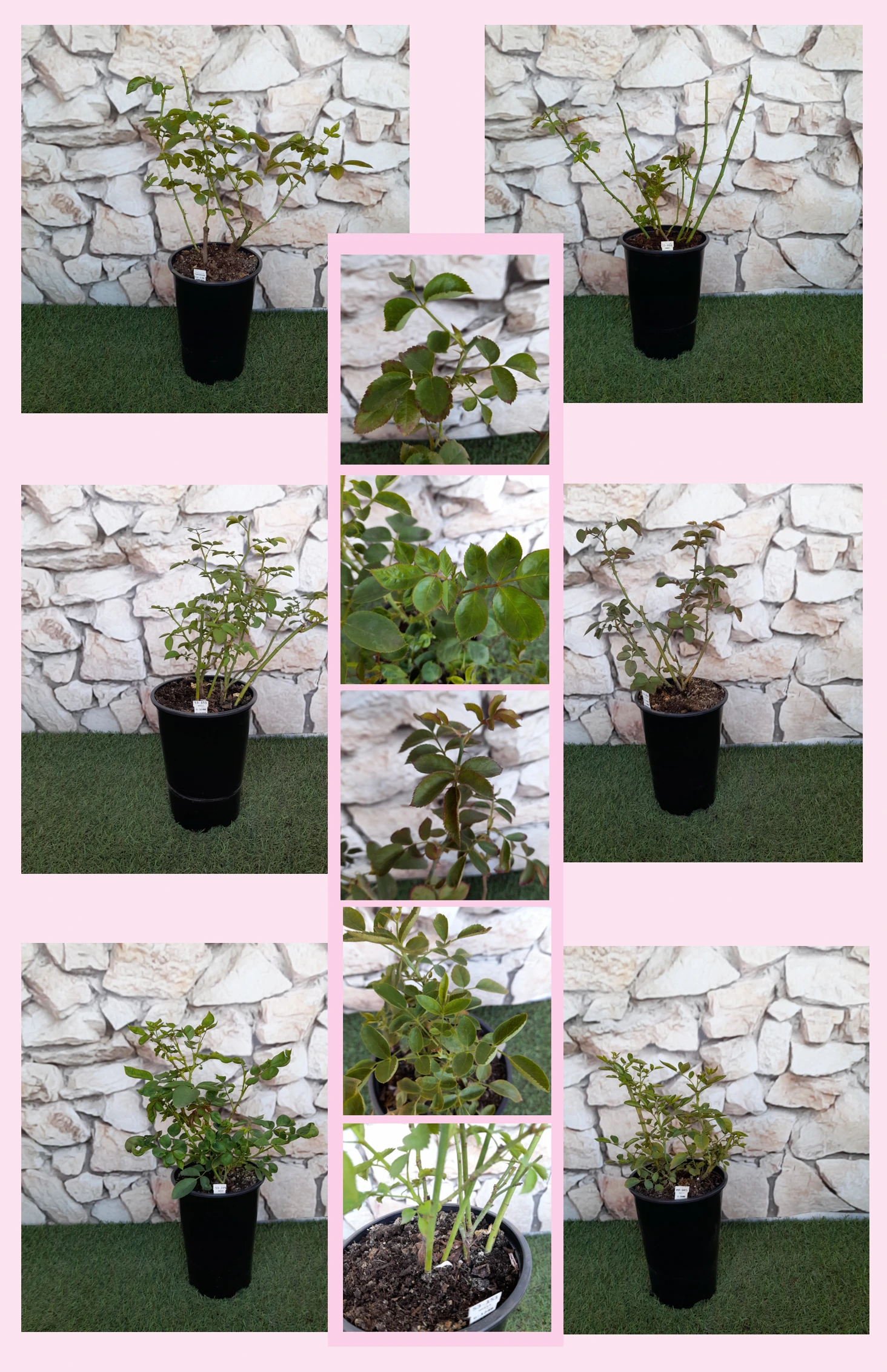
On its own roots, the plant thickens from below and can regenerate from the base after weather damage or hard pruning, keeping form and flower quality dependable over many years with just moderate care, attractive for the forward-planning owner |
| Family-friendly garden with wildlife interest |
Sparse prickles make everyday play-area supervision easier, while abundant orange hips in autumn feed birds and extend ornament after the main flush, ideal where you want children, bees and seasonal colour to share the same space, welcoming for the wildlife-loving family |
Styling ideas
- Cottage drift – Plant in a loose group of three with Mexican daisy and low catmint to create a frothy, bee-friendly border that flowers for months – for cottage-garden appreciators
- Bird corner – Combine with a small ornamental grass and goldmoss stonecrop underplanting so autumn hips and seedheads feed and shelter birds – for wildlife-focused households
- Pastel terrace – Grow one plant in a 50 litre container with pale pots of lavender and nepeta for a gently scented, easy-care patio scene – for balcony and terrace gardeners
- Soft screen – Line a front fence at 90 cm intervals, interspersed with spring bulbs, to create an informal lilac-pink screen that changes character through the year – for privacy-seeking neighbours
- Romantic focal – Use a solitary shrub in the lawn with a simple mulch circle and a few scattered perennials in similar soft tones – for design-conscious beginners
Technical cultivar profile
| Parameter |
Data |
| Name and registration |
Shrub, Hybrid Musk park rose; registered as VELverd, traded as Gaard um Titzebierg Park - shrub rose VELverd, ARS exhibition name Gaard um Titzebierg; name honours a private garden in Luxembourg. |
| Origin and breeding |
Bred by Ann Velle Boudolf at Lens Roses, Belgium; Hybrid Musk background from R. × moschata lines; introduced and registered in 2005, distributed by Lens Roses and Pépinières Louis Lens SA. |
| Growth and structural characteristics |
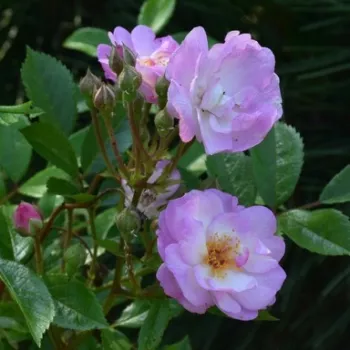
Upright shrub 120–170 cm high with 80–130 cm spread; moderately dense, mid-green, slightly glossy foliage on sparsely thorned stems; suitable for hedging, borders, groups and specimen use in gardens. |
| Flower morphology |
Semi-double, cup-shaped cluster-flowered blooms with 13–25 petals and small 1–4 cm diameter flowers; remontant with an especially strong second flush, giving repeated seasonal colour displays. |
| Colour data and phenology |
Lilac-rose-pink blooms; purplish-pink buds open to pastel pink with whitish centres, then fade to soft silvery-pink almost white at the heart; ARS PB, RHS 65C and 155D; very good colour retention noted. |
| Fragrance and aroma |
Mild, restrained scent with honeyed, musky character; fragrance is noticeable near the plant without being overpowering, suiting entrance paths, small patios and family gardens where subtlety is preferred. |
| Hip characteristics |
Produces numerous small spherical orange hips, around 6–9 mm diameter, following flowering; hips are decorative in autumn and provide additional seasonal interest while offering food for garden birds. |
| Resistance and winter hardiness |
Hardy to around -21 to -18 °C (RHS H7, Swedish zone 3, USDA 6b); disease resistance generally moderate to powdery mildew, black spot and rust, benefits from standard preventive care in humid seasons. |
| Horticultural recommendations |
Best in sunny positions with improved drainage on heavier soils; spacing 100 cm for mass planting, 90 cm for hedges, 180 cm as specimen; suitable for borders, fences, containers, cutting and pollinator-friendly schemes. |
Gaard um Titzebierg offers long-season lilac-pink clusters, pollinator-friendly semi-double flowers and durable own-root growth for an easy, lasting feature in Irish family gardens, well worth considering for your next planting.