FRAU EVA SCHUBERT – pink rambler climbing rose
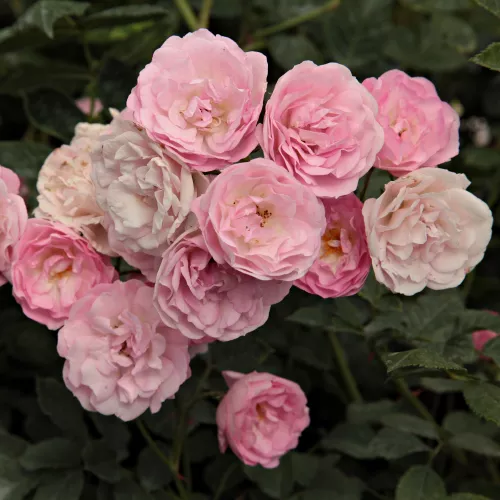
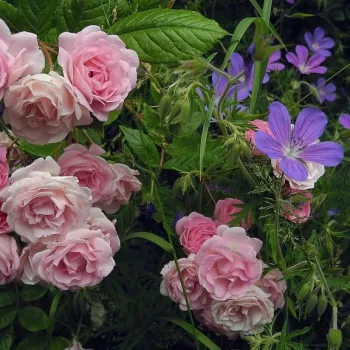
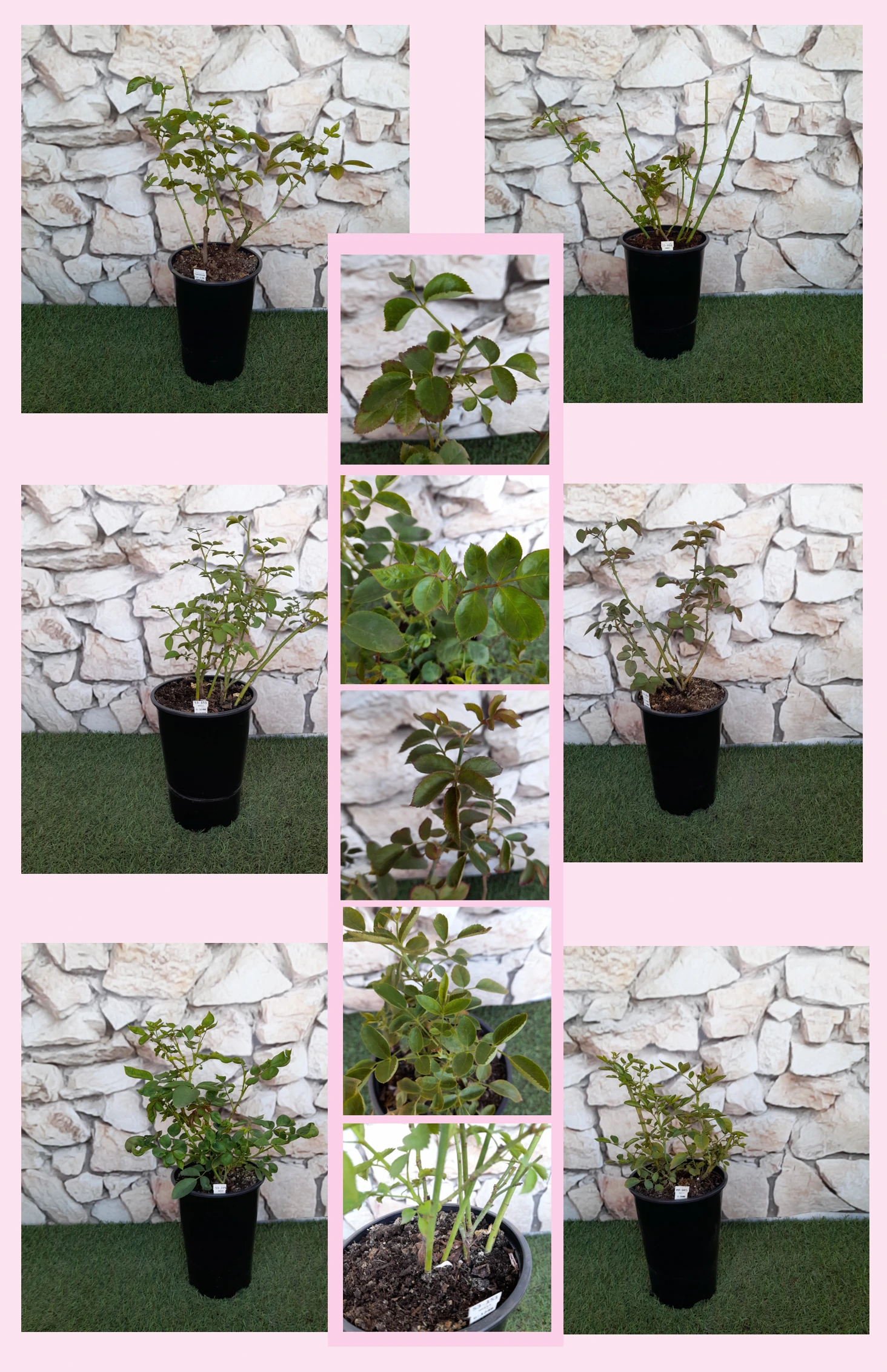
For a softly romantic front garden that feels both girly and timeless, FRAU EVA SCHUBERT brings cascades of small, porcelain-pink clusters that gently fade to cream, transforming walls and arches into a curtain of blossoms. This classic rambler is almost thornless, so you can guide its long, flexible shoots along trellises and cottage-style fences with reassuring ease, creating a refined, natural look even in a compact Dublin terrace. Once established, its own-root character supports steady renewal and a long, dependable life, giving you structure and charm from year to year with minimal fuss. In Irish gardens where frequent showers meet mild summers and gentle breezes from the sea, it rewards a well-prepared site with graceful growth and dainty, cluster-flowered abundance. The development is gradual – roots in the first year, shoots in the second, then full ornamental presence by the third – so you can look forward to a quietly building sense of anticipation and lasting character.
Usage options
| Target area |
Reasoning |
| Cottage-style front wall |
Trained flat against a sunny wall, this rambler’s dense foliage and pastel clusters give an instantly romantic cottage feel while staying surprisingly light and airy, ideal for narrow Irish front gardens and lovers of refined charm. |
| Rose arch over a path |
Its long, flexible, almost thornless canes are easy to weave over an arch, forming a soft pink tunnel of semi-double blooms that frame your front path without snagging passers-by, perfect for busy homeowners. |
| Pergola or veranda edge |
Let the shoots scramble along a pergola to create dappled shade and summer privacy; the light flowers and small leaves prevent the structure feeling heavy, suiting compact family gardens and relaxed evening sitters. |
| Fence line in a family garden |
Used along a boundary fence, the rambler habit offers a flowing, natural screen; own-root growth provides long-term structure and allows sections to regenerate if cut back hard, reassuring for low-maintenance gardeners. |
| Romantic mixed border backdrop |
Planted at the back of a border, it supplies height and a froth of pastel colour that pairs beautifully with perennials, while its mild scent and soft tones suit those seeking gentle sensory interest, especially fragrance lovers. |
| Wildlife-friendly corner |
The semi-double flowers offer moderate forage to bees, then small red hips add autumn interest for birds, fitting a relaxed, nature-aligned planting style valued by wildlife-friendly households. |
| Well-drained clay in mild coastal areas |
In gardens with heavier soil, thoughtful drainage, mulching and consistent moisture help this variety cope where frequent rain and mild, breezy conditions meet, giving reliable coverage for Atlantic-facing gardeners. |
| Large container against a wall |
In a 40–50 litre container with rich, moisture-retentive compost and regular watering, it can dress a balcony or paved front yard, letting urban gardeners enjoy cottage-garden charm in limited space, ideal for city beginners. |
Styling ideas
- Cottage-Arch Romance – Train over a classic metal arch with Dalmatian bellflower at the base to echo the soft pink in cool lavender tones – for nostalgic front-garden dreamers.
- Soft-Privacy Screen – Let it ramble along a timber fence, underplanted with evergreen dwarf honeysuckle for year-round structure – for families wanting gentle seclusion.
- Pastel-Perch Pergola – Use it on a small pergola above a bench, with pots of white and blush perennials nearby for a cloud-like effect – for evening tea and book lovers.
- Terraced-Trellis Charm – In a large container against a wall, combine with trailing goldmoss stonecrop to brighten the pot edge – for compact Dublin terraces.
- Wild-Corner Whimsy – Allow it to scramble more freely near a boundary, mixing with informal perennials and letting hips colour in autumn – for nature-leaning gardeners.
Technical cultivar profile
| Parameter |
Data |
| Name and registration |
FRAU EVA SCHUBERT is a rambler climbing rose, part of the Rós dreapadó group; unregistered cultivar, introduced under this trade name for garden and pergola training. |
| Origin and breeding |
Bred by Hugo Tepelmann in Germany from Rosa multiflora × Rosa moschata, introduced in 1937 and still valued for its classic rambler character and refined, naturalistic flowering style. |
| Growth and structural characteristics |
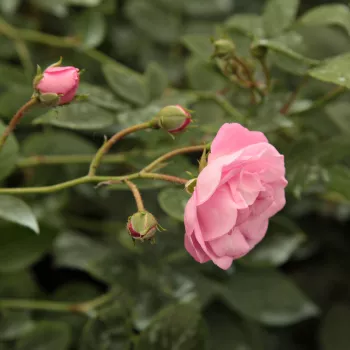
Vigorous climbing habit reaching about 225–375 cm high, spreading 150–250 cm, with dense, light green, slightly glossy foliage and very few thorns, ideal for training and shaping. |
| Flower morphology |
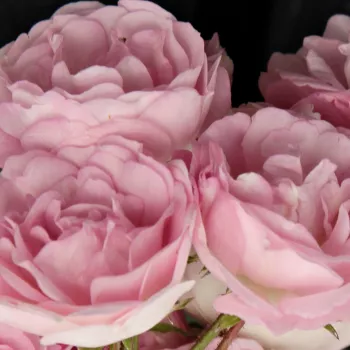
Semi-double, ball-shaped clusters of small 1–4 cm blooms with 13–25 petals, forming airy trusses; once-flowering in early summer, with some self-cleaning but benefits from spent cluster removal. |
| Colour data and phenology |
Light, soft pink blooms (RHS 65C outer, 65D inner) that fade towards creamy white; colour retention is weak, giving a pastel, vintage look over the flowering period on each cluster. |
| Fragrance and aroma |
Fragrance is mild and restrained, with a subtle character best appreciated at close range, adding a gentle scent note rather than a dominant perfume in small family gardens and courtyards. |
| Hip characteristics |
Produces moderately abundant spherical red hips about 7–11 mm across, offering decorative autumn interest and additional wildlife value where spent clusters are left after flowering. |
| Resistance and winter hardiness |
Hardy to approximately −21 to −18 °C (H7, USDA 6b, Swedish zone 3) but very susceptible to powdery mildew, black spot and rust, so regular preventative protection is necessary. |
| Horticultural recommendations |
Best in full sun with fresh, consistently moist yet well-drained soil; avoid prolonged drought, feed annually, and plan regular disease management when sited on pergolas, walls or arches. |
FRAU EVA SCHUBERT gives classic pastel rambler charm, flexible almost thornless growth and gentle wildlife interest, with own-root planting supporting long-term renewal and structure, making it a thoughtful choice for romantic Irish gardens.