FOOTLOOSE ™ – pink bedding floribunda rose - Evers
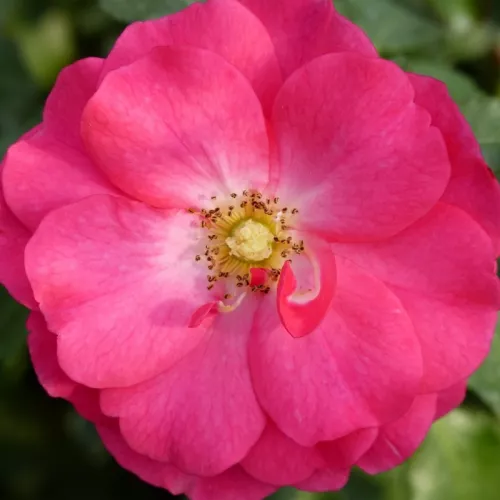
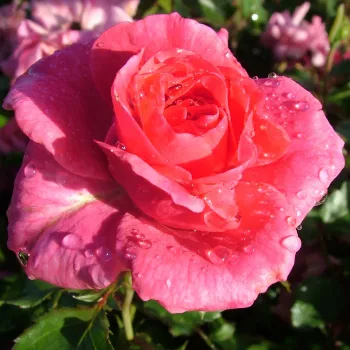
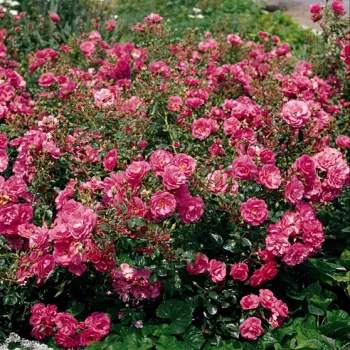
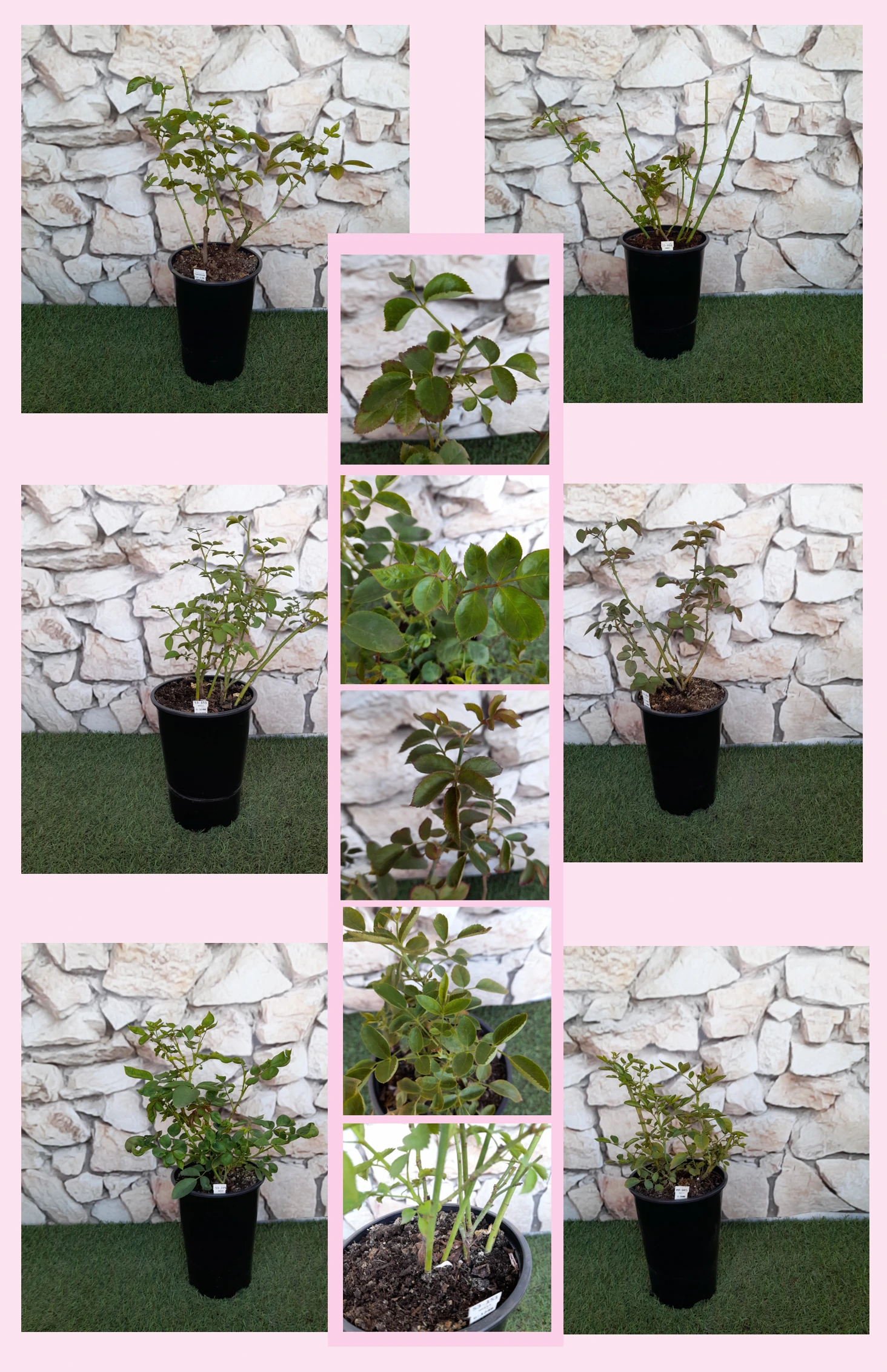
Step outside to FOOTLOOSE™, and your garden feels instantly more cheerful: clusters of vivid pink blooms dance above glossy foliage, glowing in the soft light of an Irish evening. This easy-going floribunda takes Atlantic breezes and frequent rainfall in its stride, shrugging off common fungal problems while it keeps flowering in generous waves from early summer onwards. Semi-double, open blooms invite visiting pollinators, while good self-cleaning means there is very little deadheading to worry about between school runs and weekend plans. Being on its own roots, the shrub knits steadily into the soil for a long-lived, reliable display that regenerates well after harsh winters. In a 2-litre container it is simple to handle and plant, settling quickly into cottage borders, front-garden beds or low hedges with an easy-care, groundcover habit. Expect a natural rhythm in its establishment – first strengthening roots, then building bushy growth, and by the third year giving you the full, rich ornamental effect it was bred for.
Usage options
| Target area | Reasoning |
|---|
| Front cottage border |
The spreading, low habit and bright pink clusters create a soft, storybook edge that fits Irish cottage borders without blocking windows or views, and its low maintenance suits casual weekend gardening; ideal for the relaxed cottage-border gardener. |
| City front garden hedge |
Planted at 45 cm, it forms a tidy, flowering low hedge that copes well with kerbside conditions and regular trimming, offering colour and structure with little pruning or feeding; perfect for busy urban-front-garden homeowners. |
| Groundcover under small trees |
Dense, glossy foliage and a spreading habit quickly knit together bare soil beneath small trees, while partial-shade tolerance keeps flowering going even on Dublin terraces; well suited to shade-aware small-garden owners. |
| Mixed pollinator bed |
Semi-double, open flowers with visible stamens offer accessible pollen among perennials such as dwarf lavender and sweet alyssum, creating a lively, nectar-rich patch that is still neat and family-friendly; great for nature-oriented garden buyers. |
| Low-maintenance mass planting |
Square planting at 3.3 plants/m² gives a carpet of colour that suppresses weeds and needs minimal pruning, ideal for those wanting long-lasting, everyday elegance without fussy care; tailored to low-effort-planting starters. |
| Large container on patio |
In a 40–50 litre pot, its spreading shape and repeat blooming bring season-long colour to patios, with own-root resilience helping it recover well after winter and repotting; a smart option for container-focused beginners. |
| Durable family play-garden bed |
Strong disease resistance and moderate thorns make it robust but manageable beside lawns and paths, staying presentable despite humidity and frequent Irish-style showers and drizzle; reassuring for child-friendly-garden families. |
| Long-lived structural planting |
Hardy to about -30 °C, with resilient foliage and own-root stamina, it is a future-ready choice where you want a bed or edging to stay attractive for many years without replanting; ideal for long-term-planning garden owners. |
Styling ideas
- Cottage-curve border – Sweep FOOTLOOSE™ in an informal curve and weave between clumps of dwarf lavender and goldmoss stonecrop to create a low, fragrant, low-care cottage edge – for romantic, time-poor gardeners.
- City-step welcome – Use two large containers flanking a terraced-house doorway, underplant with white sweet alyssum for a frothy skirt of bloom and easy upkeep – for style-conscious urban homeowners.
- Raspberry-ripple ribbon – Plant a ribbon of FOOTLOOSE™ along a path, backed by taller perennials, to give a long, colourful season with minimal deadheading – for families wanting reliable walkway colour.
- Pollinator patch – Mix with nectar plants like dwarf lavender and low sedums to form a bright, insect-friendly island bed that remains neat and manageable – for wildlife-loving beginners.
- Storybook play corner – Edge a small lawn or play area with widely spaced shrubs, leaving room for play while their colour and resilience provide a soft, cheerful frame – for child-focused garden makers.
Technical cultivar profile
| Parameter | Data |
|---|
| Name and registration |
Floribunda shrub rose, Collection Cityflor®, registered as TANotax, marketed as Footloose™; exhibition floribunda type bedding rose with Rósra bhláthchlóis commercial grouping. |
| Origin and breeding |
Bred by Hans Jürgen Evers (Rosen Tantau, Germany) from unnamed seedling × Rosali 83®, bred 1990, registered 1999, introduced after 1999 for robust garden and landscape use. |
| Growth and structural characteristics |
Spreading, bushy shrub to around 70–110 cm high and 60–100 cm wide, with dense, dark green glossy foliage and moderate prickles, forming a broad, colour-rich ground-hugging presence. |
| Flower morphology |
Semi-double, flat, medium-sized blooms (4–7 cm) carried in large, cluster-flowered trusses; petal count typically 13–25; repeat-flowering with particularly abundant second flush in season. |
| Colour data and phenology |
Vibrant deep pink with raspberry-red tinge; RHS 67B outer and 67C inner; buds magenta-pink with silvery tips; colour lightens with age and heat, giving a softer pink at petal edges over time. |
| Fragrance and aroma |
Fragrance is very weak and discreet, essentially neutral; selected primarily for strong visual impact and garden performance rather than perfume, suiting those sensitive to strong scents. |
| Hip characteristics |
If blooms are not deadheaded, forms small spherical red hips (RHS 43A), typically 4–8 mm in diameter, appearing moderately and adding a light decorative element in late season. |
| Resistance and winter hardiness |
Very hardy shrub (approx. USDA 4b, RHS H7, Swedish Zone 5), with good disease resistance to powdery mildew, black spot and rust; tolerates heat if watered regularly during prolonged dry spells. |
| Horticultural recommendations |
Best for beds, edging, groundcover, mass plantings, parks or large containers; plant 45–85 cm apart depending on use; prefers well-drained soil, regular watering and light annual pruning and feeding. |
FOOTLOOSE ™ offers vivid repeat flowering, easy-care disease resistance and durable, own-root longevity for Irish gardens, making it a thoughtful choice if you would like lasting colour with minimal effort.