FLORENCE DELATTRE – purple bedding shrub rose – Massad
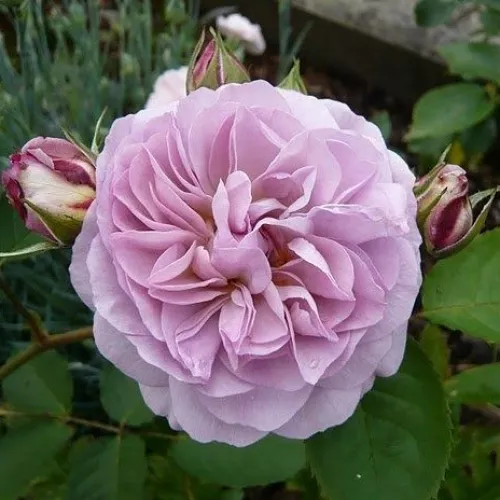
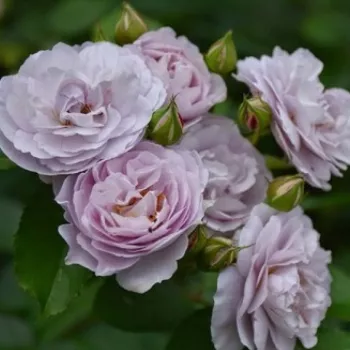
Step outside after a shower and let the soft light play across the petals of ‘Florence Delattre’, a dreamy Générosa® shrub rose whose pastel lilac blooms glow with a hazy, antique charm while coping calmly with rainfall and changeable Irish skies. Strong, spicy rose-oil fragrance drifts along the path, while semi-double clusters invite visiting pollinators to a cottage-style front garden that still feels effortless to manage after a busy week. Low-maintenance yet naturally healthy foliage and reliable repeat flowering mean you simply plant, water and enjoy as this own-root rose settles, building roots in year one, bushing out in year two and reaching full garden character by year three for long-lived, easy-going beauty.
Usage options
| Target area | Reasoning |
|---|
| Front garden focal shrub |
Ideal as a stand-out shrub near the door or along a short path, where its pastel lilac tones and shifting lavender-grey shades can be appreciated up close throughout the season by fragrance-loving homeowners. |
| Cottage-style flower bed |
The bushy habit and generous remontant blooming bring a relaxed, romantic look to mixed borders, filling gaps between perennials while providing waves of flowers over a long season for informal-garden beginners. |
| Low-effort family planting |
With naturally good resistance to common rose diseases, this rose stays attractive with minimal spraying or fuss, suiting busy households who want reliable colour without adding to the weekend chore-list for time-pressed gardeners. |
| Partial-shade side garden |
Performs well in spots that enjoy only part-day sun, such as Dublin side returns or north-east facing beds, giving useful colour where other roses struggle, especially for small-plot urban owners. |
| Cutting for vases |
The medium, cupped blooms with complex lilac and cream tones and a strong spicy scent make characterful stems for the house; a few well-placed cuts do not spoil the shrub’s overall display for scent-focused buyers. |
| Pollinator-friendly mixed border |
Semi-double flowers offer accessible centres that moderately attract bees and other visitors, especially when paired with airy cottage perennials, adding gentle wildlife interest for nature-oriented families. |
| Weather-tolerant Irish bed |
Well-suited to gardens where soft light, regular showers and breezy conditions are the norm, keeping its foliage presentable and flowering steady in typical Atlantic-influenced weather for coastal-climate residents. |
| Long-term structural shrub |
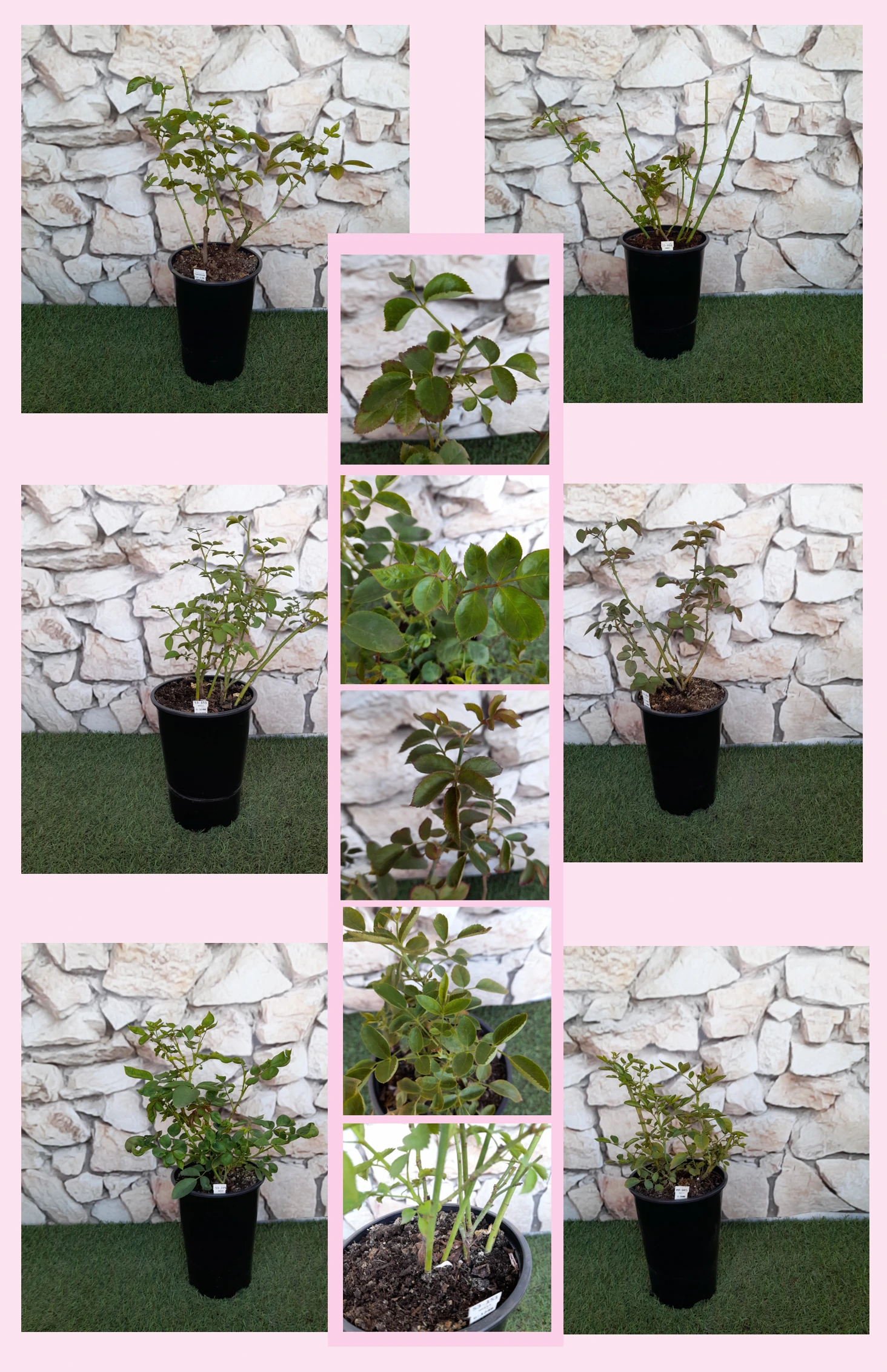
Own-root growth builds a stable, long-lived framework; if stems age or are damaged, fresh shoots rise from the base, keeping the plant ornamental for years with simple pruning for future-minded planters. |
Styling ideas
- Cottage-Romantic Border – Mix with Stachys byzantina and soft pink perennials to echo the hazy lilac petals – for lovers of traditional, relaxed cottage planting.
- Dublin-Terrace Welcome – Plant one shrub near the gate with white Lychnis viscaria ‘Alba’ for a scented, pastel front step – for city dwellers wanting kerb appeal.
- Pastel-Evening Corner – Combine with silver foliage, dusky mauves and a simple bench where the fragrance can drift – for anyone seeking a calming twilight nook.
- Pollinator-Path Edge – Line a short path, underplanting with low herbs to complement the semi-double blooms – for nature-friendly gardeners who like gentle wildlife interest.
- Own-Root Heirloom Look – Let a few hips form among repeat blooms to give a nostalgic, old-rose feel – for those who appreciate long-lived, characterful shrubs.
Technical cultivar profile
| Property | Data |
|---|
| Name and registration |
Modern shrub rose, registered as MASflodel, marketed as Florence Delattre Générosa; exhibition name Florence Delattre, shrub and cut-flower category within the Générosa collection. |
| Origin and breeding |
Bred by Dominique Massad in France from Rêve d’Or × Magenta (Kordes, 1954); breeding completed 1991, introduced and registered in 1997 by Guillot / Roseraies Pierre Guillot. |
| Growth and structural characteristics |
Bushy shrub reaching about 120–160 cm high and 90–130 cm wide, densely clad in dark, glossy foliage, moderately thorny, forming a full-bodied, structural presence in beds and mixed borders. |
| Flower morphology |
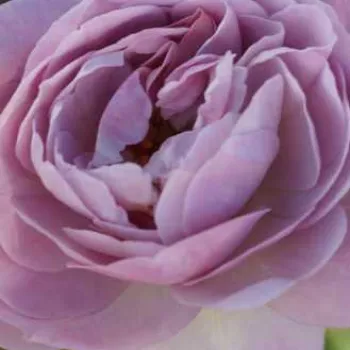
Semi-double, cupped blooms with 13–25 petals, medium-sized at 4–7 cm, borne mainly in clusters, remontant with a generous second flush, though spent blooms usually need deadheading by hand. |
| Colour data and phenology |
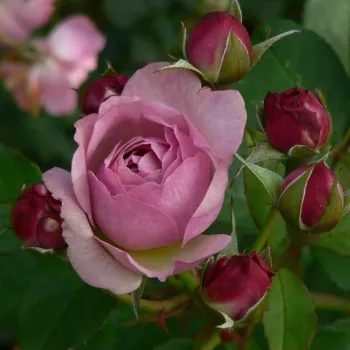
Pale mauve-lilac base with greyish tones and creamy-yellow centres; colour strongest in cooler conditions, fading in hot sun to dusky lavender, giving a continually shifting, atmospheric pastel palette. |
| Fragrance and aroma |
Strong, pronounced perfume with a spicy, rose-oil character that carries well in still air, adding classic scented-rose appeal both in the garden and when stems are cut for indoor arrangements. |
| Hip characteristics |
Produces moderately abundant, small spherical hips, around 8–12 mm across, ripening to red and adding quiet ornamental interest among the late-season foliage and remaining blooms. |
| Resistance and winter hardiness |
Hardy to about −26 to −23 °C (RHS H7, Swedish Zone 4, USDA 5b); good resistance to black spot, powdery mildew and rust, though regular watering is needed as heat and drought tolerance is low. |
| Horticultural recommendations |
Suited to beds, specimen use and cutting; plant at 90–100 cm in groups or 180 cm as a specimen; prefers well-drained, improved clay or loam; large containers should be at least 40–50 litres. |
Florence Delattre offers strong fragrance, repeat flowering and natural disease resistance on its own roots for a long-lived, low-effort shrub, making it a thoughtful choice for Irish family gardens.