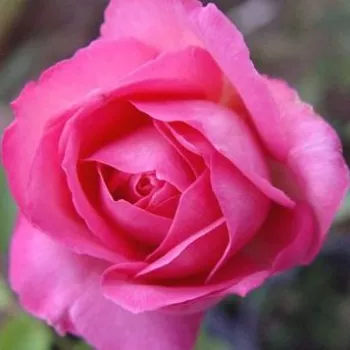
PENELOPE – pale pink park rose - Pemberton
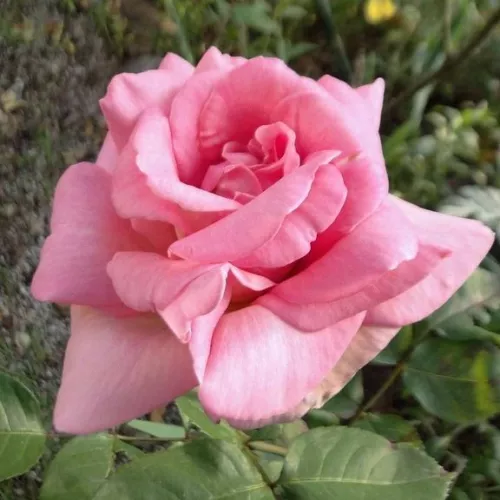
If you love a relaxed, cottage-garden feel but need something genuinely easy to live with, ‘Penelope’ slips into an Irish family garden with graceful, arching growth and soft, pearly-pink blooms that keep returning in flushes right through our short summers. Semi-double flowers with a strong muscat fragrance open wide enough to tempt visiting bees, while the bushy habit and glossy dark foliage give reliable structure in a small front garden or along a path. Own-root planting means long-term stability, quiet regeneration after wind or winter knocks, and a reassuringly long-lived shrub that slowly becomes part of the garden’s bones. In heavy Irish clay it simply asks for reasonable drainage and a little mulch, and then settles into low-key, repeat flowering with moderate care, giving you more time to enjoy its mellow, old-fashioned charm.
Usage options
| Target area | Reasoning |
|---|
| Romantic cottage-style front garden hedge |
The tall, bushy habit and dense dark foliage create a soft, billowing hedge that fits Irish cottage and terraced settings without looking formal or fussy. Its long lifespan on own roots means the hedge matures slowly into a stable garden feature that can be lightly trimmed rather than constantly renewed, suiting beginners. |
| Low-maintenance family flower bed |
Remontant flowering with a plentiful second flush brings colour across much of the season with only moderate maintenance, and the semi-double clusters give a relaxed, “girly” look that works beside lawns and play areas. The development from settling roots to stronger shoots and then full display over three seasons helps manage expectations for busy homeowners. |
| Feature shrub near seating or doorway |
The strong, clearly scented muscat fragrance carries well in damp Irish air, making entrances and patios feel welcoming even on grey days. With medium care needs and good heat tolerance, it remains rewarding without demanding constant spraying, offering scented rewards to fragrance-loving gardeners. |
| Mixed wildlife-friendly border |
Semi-double blooms with visible stamens allow moderate foraging access for bees, and the occasional small orange-red hips add late-season interest for birds. By pairing with pollinator-friendly perennials you can extend the feeding season and create movement and life for nature-oriented buyers. |
| Irish clay soil beds with improved drainage |
Once sited with sensible drainage and a mulch layer, this shrub tolerates typical heavy garden soils and responds by forming a robust root system that underpins its long lifespan. Its capacity to regenerate from its own roots if the top growth is damaged adds reassurance to cautious beginners. |
| Sunny or lightly shaded side garden |
Suitable for partial shade, it copes with the changing light patterns of narrow side passages and small urban plots, still producing pale pink clusters that brighten shadowy corners. Repeat flowering through shorter Irish summers means colour without complex care for city-front owners. |
| Informal flowering hedge in exposed suburban sites |
With good heat and moderate drought tolerance once established, it adapts well to more exposed, breezy gardens that dry quickly after rain, while its sturdy shrub structure resists wind-rock better over time on own roots. This balance of toughness and prettiness appeals to practical families. |
| Cutting garden row for informal bouquets |
Medium-sized, cup-shaped, pastel blooms on clustered stems are ideal for relaxed kitchen-table bunches, and regular cutting encourages further flowering in our often brief, changeable summers with teasing sunshine between showers, which suits creative but time-poor gardeners. |
Styling ideas
- Cottage-hedge – Plant a loose single row along a front boundary, underplant with lavender and catmint for a scented, fluttering edge – ideal for romantic cottage-garden lovers.
- Pastel-border – Combine with garden phlox and Japanese anemones for a soft pink-and-white haze that flowers in layers – perfect for small family gardens needing gentle colour.
- Bee-ribbon – Thread a line of plants through a mixed border with bee balm and other pollinator favourites to create a discreet wildlife corridor – suited to nature-oriented households.
- Doorway-focus – Use one or three shrubs near a front step with simple evergreen structure to frame the path in scented, pearly flowers – appealing to busy urban homeowners.
- Clay-corner – In a well-drained, improved clay bed, mix with ornamental grasses and late perennials for long-lived structure and movement – good for pragmatic beginner gardeners.
Technical cultivar profile
| Property | Data |
|---|
| Name and registration |
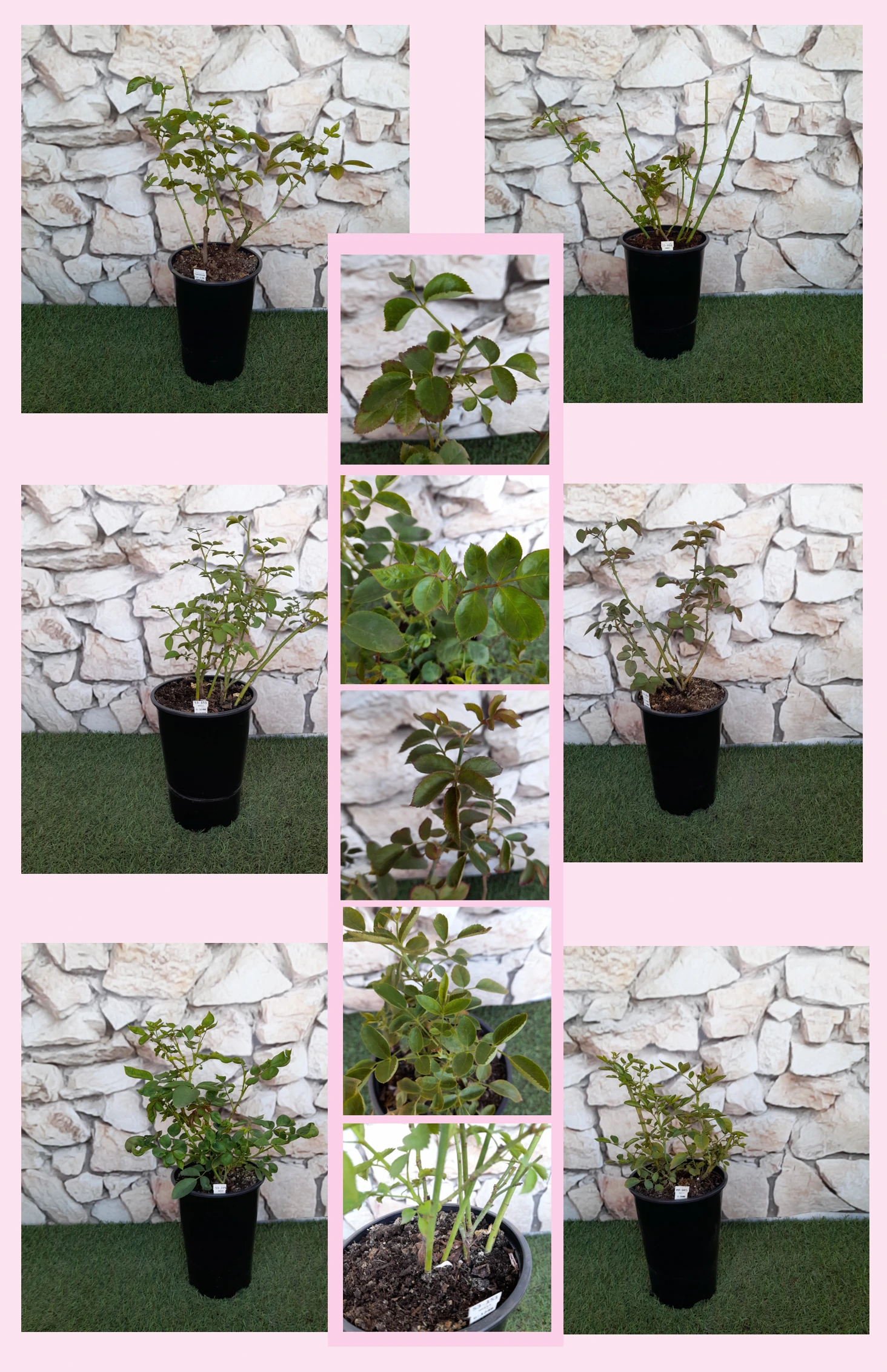
Hybrid Musk shrub rose, trade name ‘Penelope’, park rose type for garden use; ARS exhibition name ‘Penelope’. Unregistered cultivar, own-root in 2-litre pharmaROSA ORIGINAL pots. |
| Origin and breeding |
Bred by Joseph Pemberton in the United Kingdom, 1924, from ‘Ophelia’ × unknown seedling; initially distributed by Hazlewood Bros. Pty. Ltd. in Australia and now widely grown in temperate gardens. |
| Awards and recognition |
National Rose Society Gold Medal in the United Kingdom in 1925, later awarded the RHS Award of Garden Merit in 1993, underlining dependable garden performance and ornamental value. |
| Growth and structural characteristics |
Bushy shrub 160–250 cm tall with 120–200 cm spread, moderately thorny stems and dense, glossy dark green foliage; forms a substantial, arching framework suitable for hedging and specimen use. |
| Flower morphology |
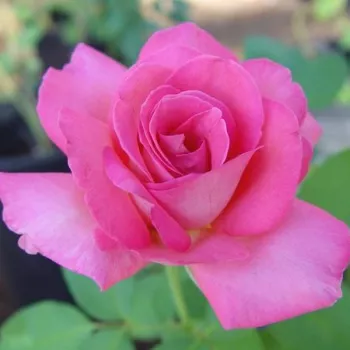
Semi-double, medium-sized 4–7 cm cup-shaped blooms in clustered trusses, 13–25 petals, self-cleaning moderate with some spent flowers forming small hips; remontant with a generous second flush. |
| Colour data and phenology |
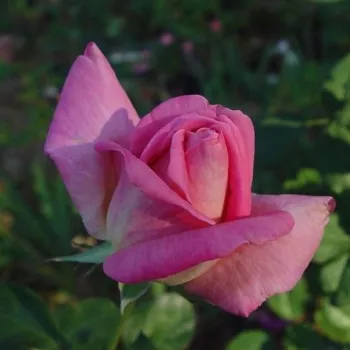
Pale pink blooms with creamy white tones, ARS lp, RHS 65C, 155D; buds mauve-pink, flowers fade to near white in heat. Repeats through the season with colour softening as each flush ages. |
| Fragrance and aroma |
Strong, clearly perceptible fragrance with a muscat character; best appreciated near paths or seating areas, especially in still, humid air typical of many Irish gardens after showers. |
| Hip characteristics |
Produces sparse, spherical orange-red hips, around 10–15 mm in diameter; hips follow where flowers are not deadheaded, adding subtle late-season interest for wildlife-friendly plantings. |
| Resistance and winter hardiness |
Hardy to about −26 to −23 °C (RHS H7, Swedish zone 4, USDA 5b); moderate resistance to black spot, mildew and rust, benefiting from good air movement and basic preventative care. |
| Horticultural recommendations |
Plant 90–165 cm apart depending on hedge or specimen use; prefers well-drained soil, tolerates partial shade and heat. Occasional plant protection and pruning maintain health and flowering. |
PENELOPE offers softly fragrant repeat flowering, gentle pollinator interest and long-lived own-root reliability for an Irish family garden, making it a thoughtful choice if you favour enduring, easy-care beauty.