Fimbriata – pale pink historic old garden rose
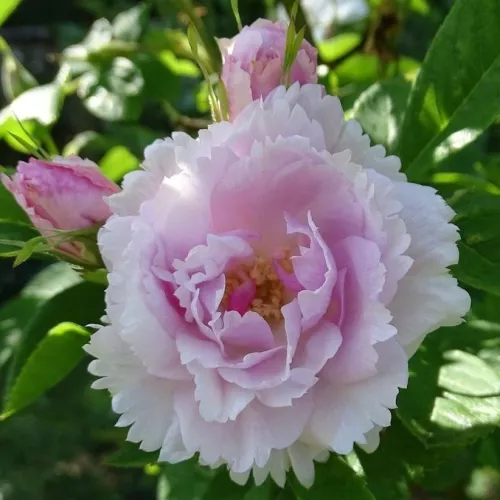
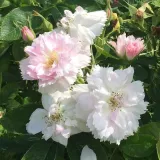
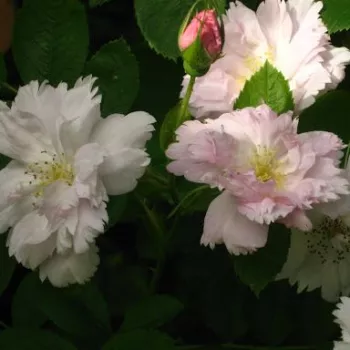
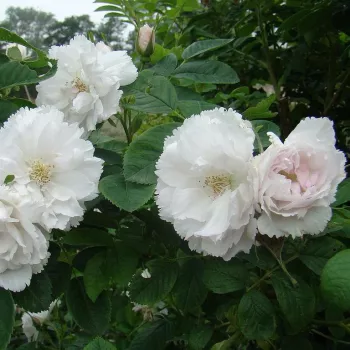
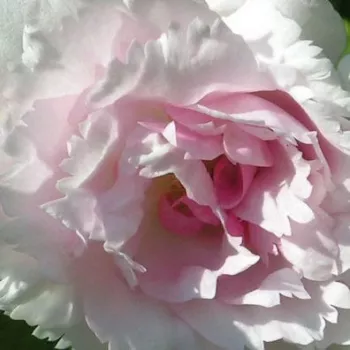
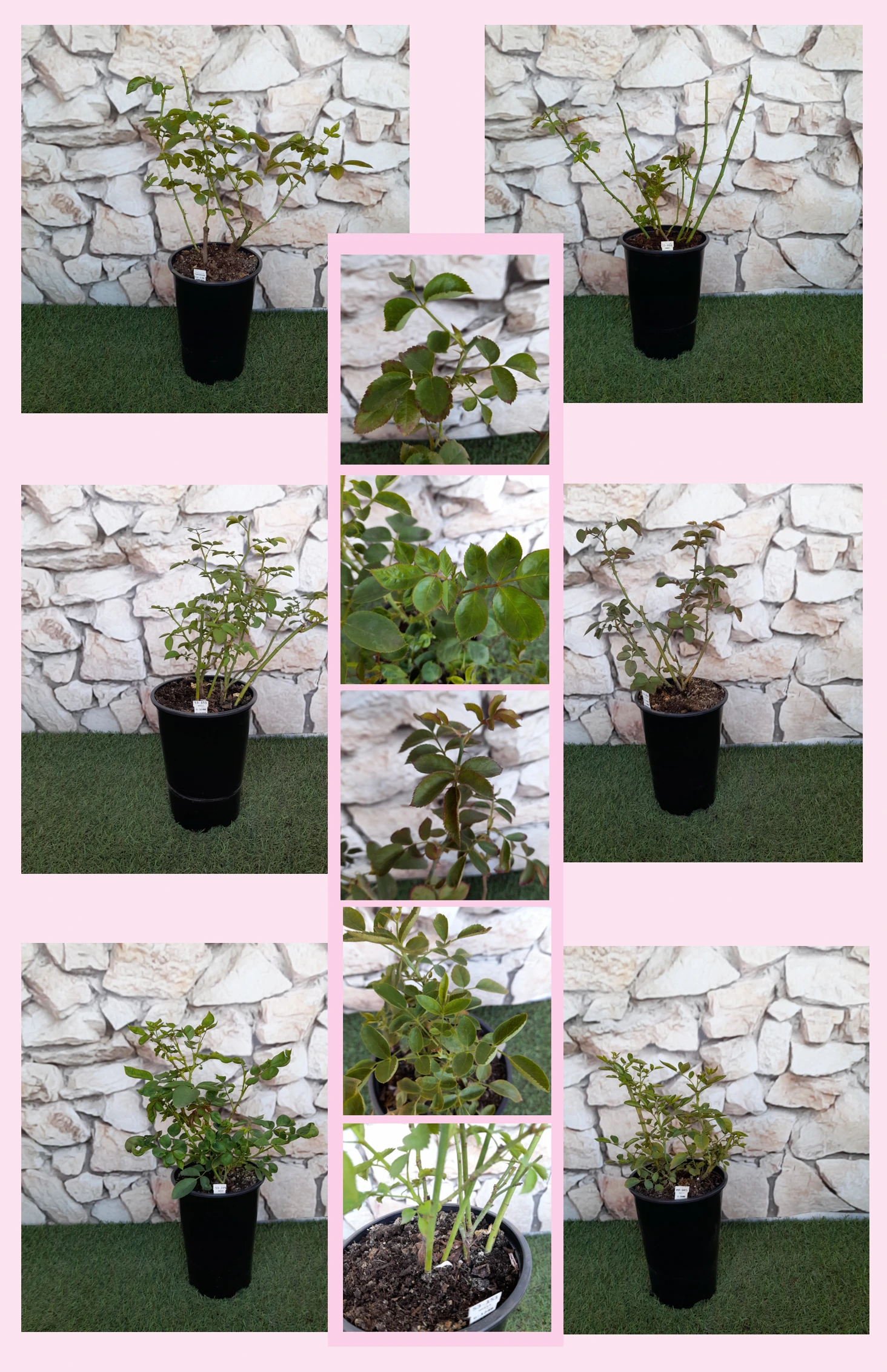
If you dream of a soft, cottage-style rose that stays charming through Atlantic breezes and showers, Fimbriata is a heritage Hybrid Rugosa that brings easy-care romance to everyday gardens. Its semi-double, ruffled blooms open in airy clusters of pastel pale pink, gradually lightening almost to white and releasing a fragrant, softly sweet perfume that drifts gently on damp evenings. This tough, bushy shrub rose thrives in ordinary or even poorer soil with good drainage, shrugging off common rose diseases and coping well with summer dry spells. Semi-double, fringed flowers with exposed stamens make it quietly pollinator-friendly, while own-root vigour supports a genuinely long-lived, low-fuss garden companion. In your first years you will notice roots establishing, then stronger shoots, and by the third season a rounded, full shrub delivering reliable flowering and a sense of calm, lived-in longevity in a small Dublin front or country cottage garden.
Usage options
| Target area |
Reasoning |
| Cottage-style mixed border in a family garden |
The bushy, upright habit and mid-green foliage give a solid backbone in a mixed border, while clusters of pastel pink, fringed blooms bring a relaxed, cottage feel from early summer onwards. With low maintenance needs and good disease resistance, it suits busy gardeners who still want romance and scent, a reassuring choice for the beginner. |
| Dublin terraced-house front garden hedge |
Planted at about 90 cm apart, this dense, thorny shrub forms a characterful flowering hedge that offers both privacy and a soft welcome at the gate. The semi-double, fragrant flowers and attractive rose hips add interest for much of the year, while the strongly own-root character promises a long-lived, reliable line of plants for the homeowner. |
| Low-maintenance specimen near a seating area |
As a single specimen at about 170 cm spacing, it develops into a tall, rounded shrub that shows off its ruffled, pale pink flowers and softly sweet fragrance at eye and nose level. Minimal pruning and light feeding keep it happy, making it ideal beside a bench or patio where you can appreciate the scent without hard work, perfectly suiting the time-poor. |
| Informal, “girly” corner with pastel planting |
The almost white, powdery pink tones pair beautifully with soft perennials and grasses, creating a gentle, feminine “girly” nook that still feels natural and unfussy. The gradual colour fading adds depth and a vintage look across the season, pleasing those who enjoy subtle, ever-changing hues and a romantic mood, ideal for the stylist. |
| Pollinator-friendly strip along a path or driveway |
Semi-double clusters with exposed stamens offer easy access to pollen and nectar, so bees regularly visit on brighter days. Even though the second flush is lighter, the repeat flowering still gives a useful foraging resource over the summer. Combined with its simple care routine, it makes an attractive yet practical choice for the nature-lover. |
| Resilient planting in poorer, drier garden soils |
With rugosa blood and proven drought tolerance, this rose performs respectably even where soil is leaner, provided you improve drainage and mulch to retain moisture around the roots. Once established, it shrugs off dry spells better than many old roses, rewarding modest care with steady growth and bloom, reassuring for the pragmatist. |
| Long-term, future-friendly family garden backbone |
As an own-root shrub, it recovers well from winter damage or accidental hard pruning, renewing from its base and keeping a stable look over many seasons. The simple cycle of rooting strongly in year one, bulking shoots in year two and then reaching full ornamental value in year three supports a long planning horizon for the planner. |
| Large container on a sheltered balcony or patio |
In a 40–50 litre container with good drainage, this compact yet vigorous shrub gives height, fragrance and colour where border space is scarce, such as small city gardens. Regular watering and mulching are usually all that is needed, and its disease resistance means clean foliage in humid Irish weather, a welcome benefit for the urban dweller. |
Styling ideas
- Cottage-Drift – weave Fimbriata through a loose border with foxgloves, astrantia and soft grasses for a romantic cottage feel – for gardeners who like effortless charm.
- Pastel-Front – line a short path or front boundary with evenly spaced shrubs and underplant with low geraniums – for homeowners seeking tidy structure with a soft look.
- Rose-Nook – place one specimen by a bench, with scented herbs and lavender at its feet – for fragrance-lovers creating a quiet reading corner.
- Wild-Friendly – mix with pollinator plants like salvia, verbena and alliums to build a buzzing strip along a fence – for nature-oriented families encouraging bees.
- Pot-Parlour – grow it in a 50 litre tub with trailing thyme and seasonal bulbs around the rim – for balcony and patio gardeners short on soil space.
Technical cultivar profile
| Property |
Data |
| Name and registration |
Fimbriata, a Hybrid Rugosa heritage shrub rose, traded as Fimbriata Heritage rose Morlet; historic, unregistered old garden rose within the Rós stairiúil commercial group. |
| Origin and breeding |
Bred by Morlet in France around 1891 from Rosa rugosa × ‘Madame Alfred Carrière’; introduced in 1891 and distributed by Morlet as a hardy, fragrant shrub rose for gardens. |
| Awards and recognition |
No formal show or competition awards recorded, but valued by collectors as a distinctive historic Hybrid Rugosa with fringed petals and reliable, low-maintenance garden performance. |
| Growth and structural characteristics |
Bushy, upright shrub reaching about 120–190 cm high and 90–150 cm wide, densely thorned stems clothed in matte, mid-green foliage, forming a solid, leafy presence in borders or hedges. |
| Flower morphology |
Semi-double, flat, cluster-flowered blooms with roughly 13–25 petals, medium-sized at about 4–7 cm across; remontant, with a good main flush and a lighter, more modest second flowering. |
| Colour data and phenology |
Pale pastel pink flowers, ARS LP, RHS 65C outer and 65D inner, opening powdery pink then fading strongly towards near white as they age, giving a soft, washed, vintage effect on the bush. |
| Fragrance and aroma |
Medium-strength, softly sweet rose scent with a classic, gentle character; fragrant enough to notice on still days without overwhelming nearby seating or small enclosed garden spaces. |
| Hip characteristics |
Produces moderate numbers of spherical, 19–31 mm rose hips in autumn, coloured warm red-orange, adding wildlife interest and seasonal structure once the main flowering period is over. |
| Resistance and winter hardiness |
Very hardy shrub (USDA 4b, RHS H7, Swedish zone 5) tolerating about −32 to −29 °C; drought-tolerant and strongly resistant to powdery mildew, black spot and rust in typical garden conditions. |
| Horticultural recommendations |
Prefers full sun with reasonably well-drained soil; space 90–170 cm depending on use, with roughly 1–1.2 plants/m² for massing, and keep mulched for moisture balance and stable root conditions. |
Fimbriata offers softly fragrant pastel flowers, strong disease resistance and long-lived own-root resilience, making it a thoughtful choice for gardeners seeking beauty with modest effort.