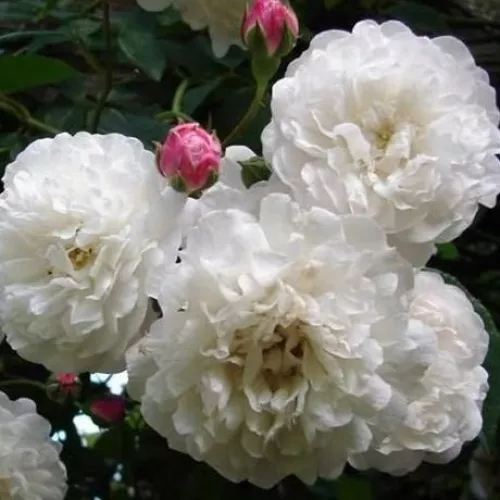
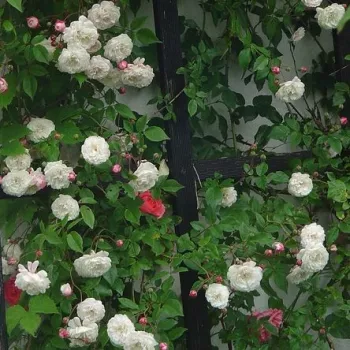
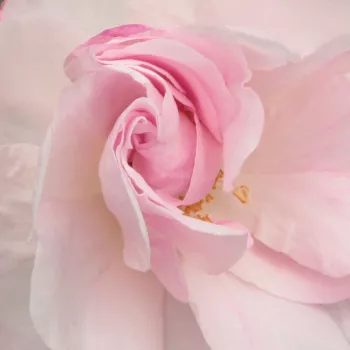
FÉLICITÉ ET PERPÉTUE – white historic rambler rose (climbing/trailing) - Jacques
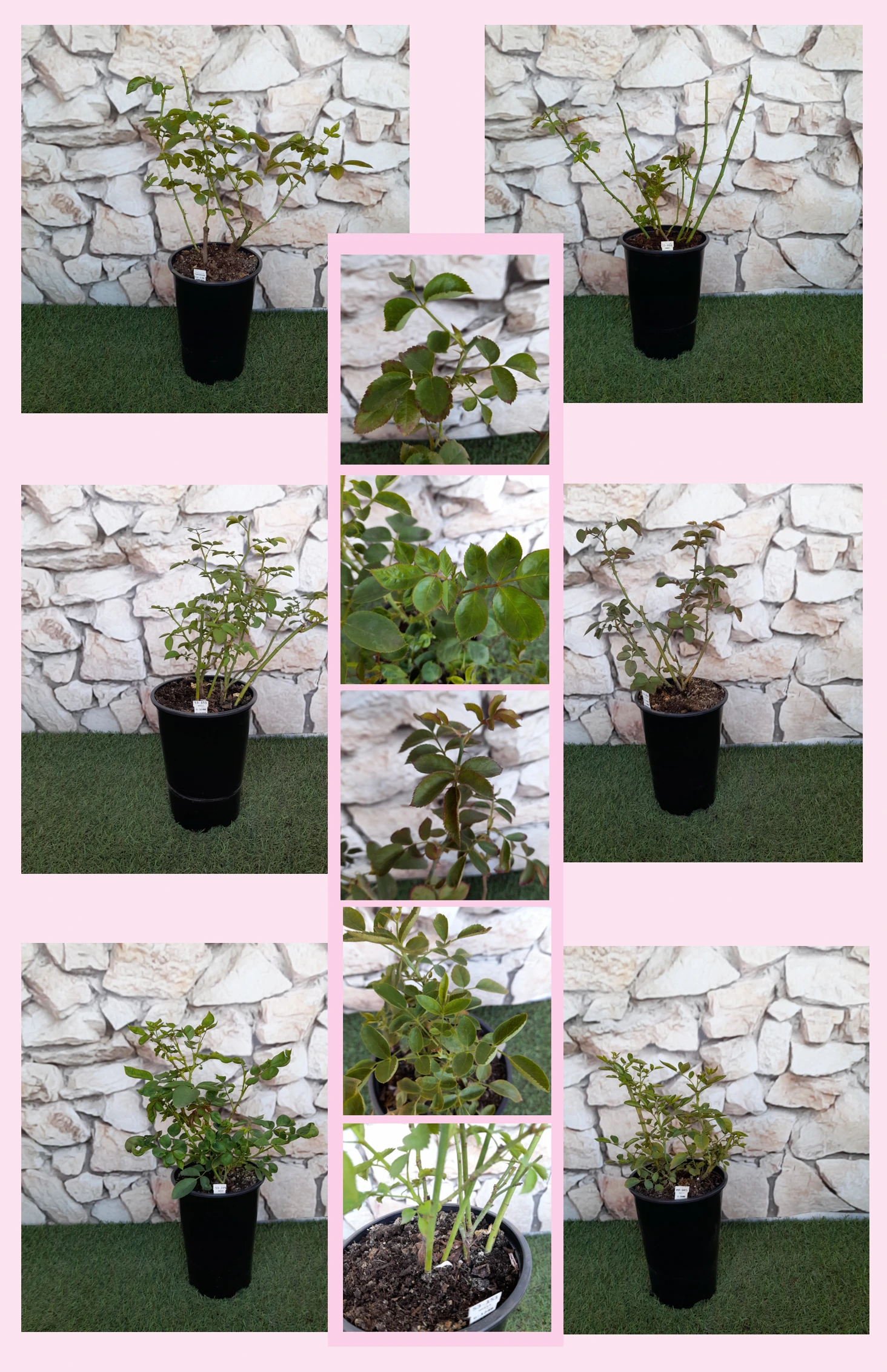
Step out to the soft green light of your own Irish cottage-style space and let Félicité et Perpétue trail into a curtain of blossom along walls, arches and trees. This heritage rambler offers reassuringly low-maintenance ease, thriving in typical Irish conditions with good resistance under constant moisture and fungal pressure from cool, wet seasons. Once established, it creates a long-lived framework of structure that needs very little more than gentle guiding, thanks to its healthy foliage and sparsely thorned stems. Plant your own-root 2-litre shrub as a simple start, let it settle in over the first year, and enjoy how it grows stronger in the second and by the third delivers its full romantic display for a charmingly “girly” cottage and terraced-garden frontage.
Usage options
| Target area |
Reasoning |
| House wall or sunny gable |
Ideal where you want a classic, once-a-year rose show with minimal ongoing work: its strong disease resistance means little spraying, and sparse prickles make tying-in easier for beginners and busy homeowners alike, especially urban gardeners. |
| Pergola, arch or arbour |
The long, flexible climbing growth and dense foliage quickly clothe structures, creating a romantic tunnel of creamy-white pompon blooms that feels like a short walk under soft summer raindrops, perfect for cottage-garden lovers. |
| Training into a mature tree |
This rambler can be guided up into existing trees, where its vigorous, shade-tolerant canes weave through branches to create a high, floating cloud of blossom with very little pruning, delighting nature-focused gardeners. |
| Large boundary or back-of-garden screen |
Its ability to spread wide and tall makes it excellent for softening fences or unsightly boundaries; planted once, the long-lived own-root framework keeps regenerating from the base, rewarding patient long-term planners. |
| Low-maintenance Irish cottage-style front garden |
Thriving even where summers are short and damp, this rose keeps its foliage clean with good resistance to common fungal problems, reducing chemical use and fuss, which will reassure time-pressed beginners. |
| Clay soil family garden with improved drainage |
Once the planting hole is prepared with drainage and organic matter, Félicité et Perpétue settles in steadily, its own roots building a durable base that copes with imperfect soils and rewards careful first-time planters. |
| Large container on terrace or patio (40–50 litres minimum) |
In a generous container, its arching canes can be trained onto railings or a balcony frame, creating a vertical “green curtain” of bloom with only basic feeding and watering, ideal for small-space dwellers. |
| Historic or period-style garden feature |
As an award-winning historic rambler from 1827, it brings authentic period charm with a single but unforgettable flowering, well suited to traditional schemes and those who appreciate old-world detail, especially heritage enthusiasts. |
Styling ideas
- Cottage-Curtain – Train along a low terrace rail with Lupinus ‘Gallery Pink’ in front for a soft, feminine layer of pink and white – for romantic front-garden traditionalists.
- Storybook-Arbour – Cover an arch over a path, underplanting with dwarf Heuchera to highlight its glossy foliage and gently cascading flowers – for families who love a magical walkway.
- Tree-Float – Let it climb a small deciduous tree so its cream pompons appear like clouds in the canopy – for gardeners who enjoy naturalistic, low-intervention scenes.
- Boundary-Veil – Use along a fence with Panicum ‘Sangria’ in front, blending airy grasses and historical roses into a soft privacy screen – for suburban owners needing beauty and cover.
- Courtyard-Classic – Grow in a 50-litre pot by a door, fan-trained against a wall for a once-a-year summer spectacle in compact spaces – for busy urban hosts who welcome seasonal drama.
Technical cultivar profile
| Property |
Data |
| Name and registration |
Trade name Félicité et Perpétue, historic hybrid Sempervirens rambler; exhibition name Félicité-Perpétue; unregistered cultivar widely known in heritage rose collections. |
| Origin and breeding |
Bred by Antoine Jacques at Château de Neuilly, France, from Rosa sempervirens and a Noisette rose; introduced around 1827 and long valued as a classic historic rambler. |
| Awards and recognition |
Royal Horticultural Society Award of Garden Merit (1993) for reliable garden performance; American Rose Society Dowager Queen at show level, confirming its historic quality. |
| Growth and structural characteristics |
Strong climbing rambler reaching about 500–800 cm high and 300–500 cm wide; dense, glossy mid-green foliage, sparsely thorned canes and moderately self-cleaning spent blooms. |
| Flower morphology |
Small, 1–4 cm very double pompon blooms carried in clusters; globular shape on opening, creating a tight rosette effect; once-flowering in summer rather than repeat-blooming. |
| Colour data and phenology |
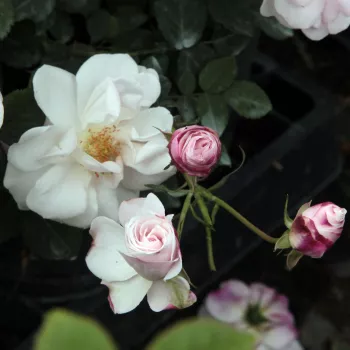
From pale pink-cream buds to creamy-white, finally clean off-white; ARS white, RHS 155D outer, 155C inner; colour holds well in sun with little noticeable fading in Irish light. |
| Fragrance and aroma |
Classic old rose fragrance character but very weak overall; scent is generally light and discreet, adding a gentle note without overwhelming surrounding plants or seating areas. |
| Hip characteristics |
Forms occasional small, spherical orange-red hips about 8–12 mm across; modest but charming autumn interest when present, especially noticeable against the mid-green foliage. |
| Resistance and winter hardiness |
Good resistance to blackspot, mildew and rust in typical gardens; hardy approximately to -21 to -18 °C (USDA 6b, RHS H7), coping well with Irish winters and cool, wet summers. |
| Horticultural recommendations |
Best on walls, pergolas, arbours or trained into trees; allow plenty of space, improve drainage on heavy clay, and prune mainly to guide growth and remove old flowering wood. |
Félicité et Perpétue offers easy-care vigour, long-lived historic charm and flexible climbing use on its own roots, making it a thoughtful choice for those planning a quietly romantic garden feature.