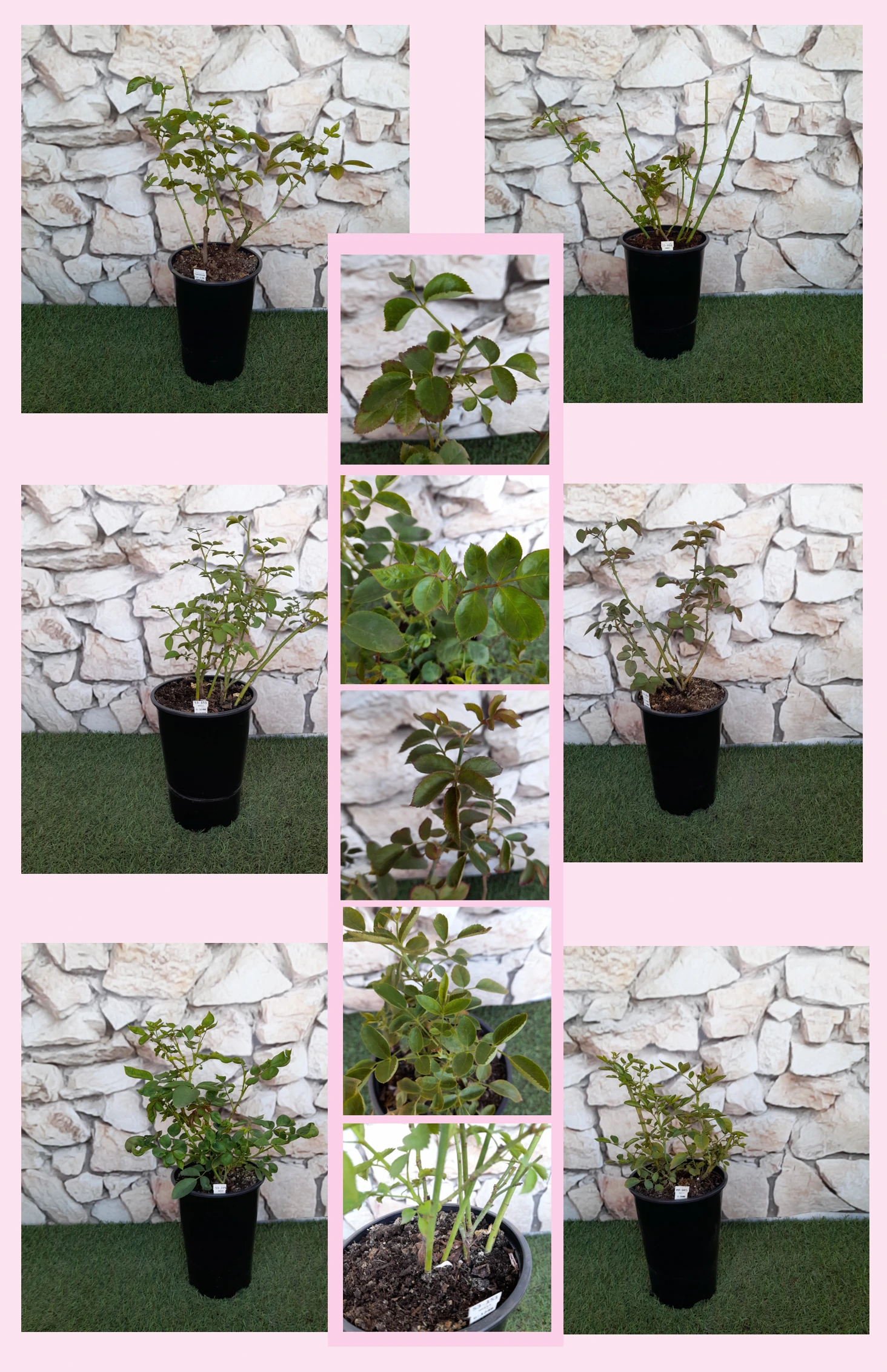
LOUISE BUGNET – white park rose
Step outside after the rain and you will find serenity in the soft white blooms of LOUISE BUGNET, a park rose that feels perfectly at home in an Irish cottage border or a compact Dublin front garden, even where frequent showers and cool summers are the norm. Its strongly scented flowers bring cheerfulness to everyday paths and doorways, while the upright, compact shrub shape lends quiet structure to mixed beds and informal hedges. As the plant matures, its own-root character supports a reassuring longevity, helping it settle in and re-sprout reliably from the base. Snow-white, double flowers open from purple-red buds with remarkable colour stability, then fall cleanly for a naturally tidy look. In partial shade or gentle coastal light the grey‑green foliage adds soft-textured backdrop, and the sparse thorns give a more welcoming handling experience for everyday family use. Over the first few seasons roots establish, shoots strengthen, and by the third year the rose reveals its full ornamental potential.
Usage options
| Target area |
Reasoning |
| Cottage-style mixed flowerbed |
The upright, compact habit and large white blooms provide clear structure in a small to medium mixed border, while self-cleaning flowers keep the bed looking fresh without constant deadheading, ideal for relaxed cottage-style gardeners seeking serenity. |
| Fragrant front-garden focal point |
Strong, classic rose fragrance noticeable from a distance makes this variety perfect beside a front path or gate, where you will enjoy scented evening strolls with minimal grooming beyond seasonal pruning, appealing to busy householders who value cheerfulness. |
| Informal flowering hedge |
The shrub’s 120–180 cm height and 100–150 cm spread create a soft, view-filtering hedge; spaced at about 1 m it forms a loose, flowering boundary that is easy to shape once a year, suiting families wanting gentle garden structure. |
| Long-term garden framework planting |
Very hardy roots on its own base help the plant recover from weather damage or hard pruning, providing a stable, long-lived element that can anchor a border plan for many years, reassuring planners who prioritise planting longevity. |
| White-and-green theme beds |
Pure white flowers with a subtle greenish heart hold their colour well, creating a calm contrast with grey‑green foliage and neighbouring perennials so displays remain harmonious even in damp weather, attractive to homeowners who appreciate colour stability. |
| Partial-shade side garden |
This shrub tolerates partial shade, bringing reliable flowering to side passages or east-facing beds where other roses struggle, helping you make the most of cooler, rain-washed corners of the plot, helpful for town gardeners needing gentle foliage backdrop. |
| Family-friendly access paths and play areas |
Sparse prickles make routine tasks such as weeding, tying in stems or guiding children past the shrub less of a hazard, while natural self-cleaning reduces the need for close handling, appreciated by households that prefer comfortable plant handling. |
| Developing gardens over the first three years |
Planted as a young own-root shrub, it settles steadily: roots knit in during the first season, top growth strengthens in the second, and by year three you enjoy its full display even in showery Irish summers, suiting patient gardeners who value long-term potential. |
Styling ideas
- Cottage-Romantic Hedge – Plant in a loose row with lamb’s‑ear and fountain grass for a soft, textured hedge that smells wonderful near the gate – ideal for families wanting easy garden structure.
- White-Glow Front Bed – Combine with low blue perennials and silvery foliage in a sunny front border for evening fragrance and calm white colour – perfect for homeowners seeking cheerful contentment.
- Green-and-White Corner – Use as a taller anchor behind dwarf shrubs and herbs in a side garden, letting its grey‑green leaves frame a simple seating area – suited to beginners who like gentle backdrop planting.
- Long-View Axis – Place a single shrub at the end of a narrow path so its scented, bright flowers draw the eye and invite a short walk outdoors – good for urban gardeners needing compact yet lasting impact.
- Seasoned Framework – Repeat three plants along a boundary with grasses and late perennials to create a long-lived, structural framework that matures year by year – for planners who think in long-term potential.
Technical cultivar profile
| Property |
Data |
| Name and registration |
Hybrid Rugosa park rose marketed as LOUISE BUGNET – white park rose; ARS exhibition name ‘Louise Bugnet’; part of the park – shrub rose collection; unregistered cultivar name. |
| Origin and breeding |
Bred by Georges Charles‑Jules Bugnet in Canada around 1960 from ‘Martha Bugnet’ × ‘Thérèse Bugnet’; introduced in 1960 by Bugnet Plantation, Rich Valley, Alberta, for cold-climate gardens. |
| Awards and recognition |
Recognised in Scandinavian climates, notably named Årets Ros (Rose of the Year) 2020 in Sweden, reflecting its reliability, winter hardiness and ornamental value in demanding northern garden conditions. |
| Growth and structural characteristics |
Vigorous, upright yet compact shrub reaching about 120–180 cm tall and 100–150 cm wide, with dense, matt grey‑green foliage and relatively sparse prickles, forming a tidy, structural park or garden plant. |
| Flower morphology |
Large, double, flat flowers 7–10 cm across with 26–39 petals; produced mainly in clusters of three to five blooms per stem; remontant with a strong first flush and a lighter second flowering period. |
| Colour data and phenology |
Buds purple‑red over a white base (RHS 79A), opening snow‑white with a faint greenish centre; colour holds well with little fading, later becoming matt white with a slight creamy tint at petal edges. |
| Fragrance and aroma |
Classic, rose‑character fragrance of strong intensity, easily noticeable from a distance in still air; primarily ornamental rather than for culinary or cosmetic use, but ideal where scent is a key planting priority. |
| Hip characteristics |
Double flowers limit hip production; when formed, hips are spherical, bright red (RHS 40A), around 20–30 mm in diameter, offering occasional late‑season decorative interest in hedges or mixed shrub plantings. |
| Resistance and winter hardiness |
Extremely hardy shrub tolerating approximately −40 to −43 °C (H7, USDA 2b); good heat and moderate drought tolerance, but very susceptible to common fungal diseases, requiring regular preventative protection. |
| Horticultural recommendations |
Fit for hedges, specimen use, flowerbeds, parks and urban spaces; spacing 100–180 cm depending on use; prefers well‑drained soil, can handle partial shade; grows reliably in 40–50 litre or larger containers. |
LOUISE BUGNET offers fragrant white blooms, a compact, structural shrub form and reassuring long-term presence on its own roots, making it a thoughtful choice if you are planning a lasting, characterful garden.