FANTIN-LATOUR – pale pink historic centifolia rose - Bunyard
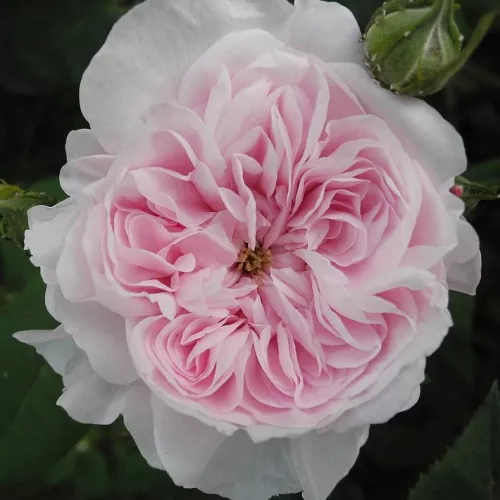
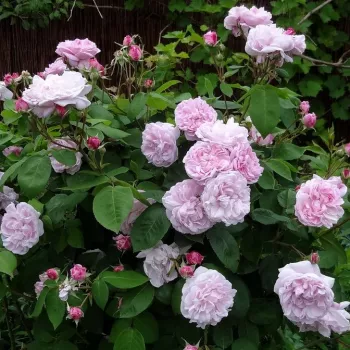
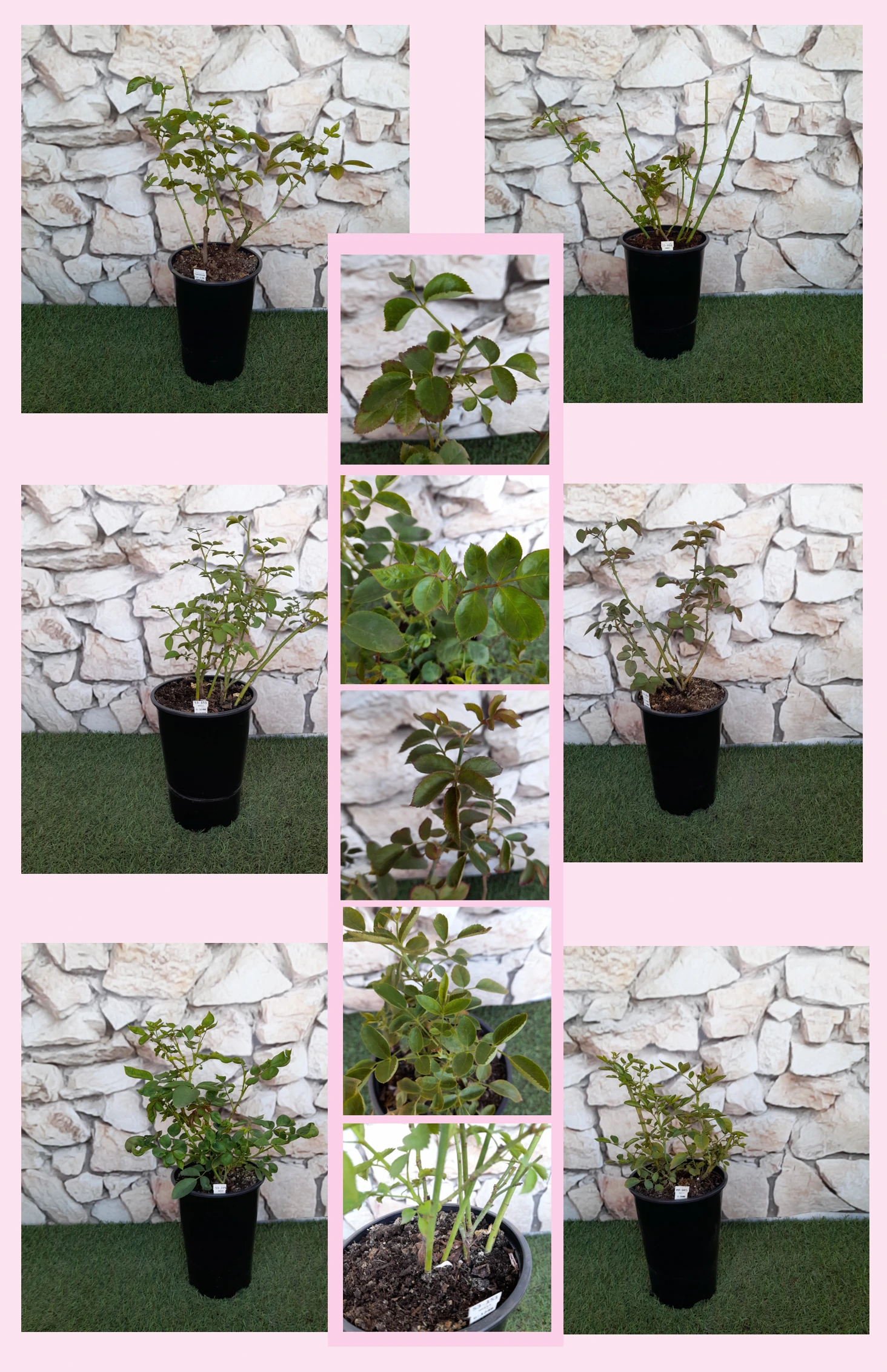
Step outside to meet Fantin-Latour, a romantic, pale-pink centifolia that turns even a small Irish front garden into a gentle daydream. Its large, cupped blooms open in a billow of soft petals, filling the air with a classic, strong rose fragrance that feels like walking through a painter’s studio in soft rainlight. This once-flowering historic shrub gives one generous summer performance, then rests, making it a quietly dependable choice if you prefer less fuss and more pleasure. As an own-root rose, it builds up slowly, then steadily – roots in the first year, stronger shoots in the second, and a full, rounded display by the third – promising a long, enduring presence that settles beautifully into Irish cottage borders and Dublin terraces even where frequent showers and heavier soils meet Atlantic winds.
Usage options
| Target area | Reasoning |
|---|
| Cottage-style mixed border |
The bushy, wide habit and once-a-year flush of large, pale-pink rosettes make this rose a natural anchor in a relaxed cottage border, framed by perennials and grasses for an informal, romantic look that suits time-pressed, atmosphere-loving beginners. |
| Feature shrub in small family garden |
Reaching around shoulder height with a generous spread, this shrub works beautifully as a single feature beside a path or lawn, offering a few weeks of richly scented bloom each summer, then low-key greenery for the rest of the year for busy urban homeowners. |
| Historic rose collection corner |
As a recognised historic centifolia with RHS Award of Garden Merit, it is ideal for a small “heritage corner”, where its painterly flowers and old-world charm create a talking point without demanding advanced skills from curious garden collectors. |
| Lightly scented hedge or backdrop |
Planted at hedge spacing, it forms a soft, green backdrop that bursts into a single, impressive wave of blossom, giving screening and fragrance without constant pruning, well suited to those wanting a gentle boundary in a family garden. |
| Part-shade side path |
This variety tolerates partial shade, so it performs reliably along side paths or between houses where sun is limited, providing a luminous, pale bloom display and perfume in early summer for shade-challenged city gardens. |
| Cut-flower rows by the patio |
The large, very double flowers with strong classic scent are perfect for cutting; planting a short row near the patio or back door gives easy access to fragrant stems when in bloom, ideal for simple home arrangements enjoyed by busy families. |
| Clay soil beds with improved drainage |
Where Irish heavy clay is opened up with compost and grit, this hardy shrub repays you with sturdy growth and a stable framework, coping well with cool, damp spells and brisk coastal breezes common in our rain-washed Atlantic-influenced gardens. |
| Long-term, low-change planting scheme |
Own-root plants age gracefully, regenerating from the base and avoiding graft issues, so once established this shrub can remain in place for many years with only occasional pruning, suiting those who prefer durable, low-intervention plantings. |
Styling ideas
- COTTAGE RIBBON BORDER – Weave this rose through a narrow front border with dwarf lavender and alpine catchfly for a powdery pink-and-lilac ribbon of colour – ideal for romantic cottage-front gardeners.
- HERITAGE FEATURE CIRCLE – Plant one specimen at the centre of a small circular bed edged with dwarf fountain grass to echo its rounded form – perfect for history-loving rose enthusiasts.
- SCENTED GARDEN GATE – Place two shrubs flanking a gate or front-door path, underplanted with soft mounds of low herbs, to greet visitors with a single, memorable wave of fragrance – suited to welcoming family homes.
- PALE PINK HEDGE – Create a loose hedge along a boundary, mixing with other historic shrubs in similar tones for a gentle, old-fashioned screen – good for those seeking privacy without harsh lines.
- QUIET SHADE CORNER – Position this rose in bright partial shade with ferns and pale foxgloves, letting its soft blooms lighten a cool corner – appealing to contemplative, low-key garden spaces.
Technical cultivar profile
| Parameter | Data |
|---|
| Name and registration |
Historic centifolia shrub rose marketed as Fantin-Latour; trade names include Fantin-Latour Historic rose Bunyard; unregistered cultivar used in gardens and collections. |
| Origin and breeding |
Selected and distributed by Bunyard’s Nursery in the United Kingdom; bred by Edward A. Bunyard, introduced around 1900 and later referenced circa 1938 as a notable historic garden rose. |
| Awards and recognition |
Holds the Royal Horticultural Society Award of Garden Merit, confirming reliable performance, ornamental value and general garden usefulness under typical temperate-climate growing conditions. |
| Growth and structural characteristics |
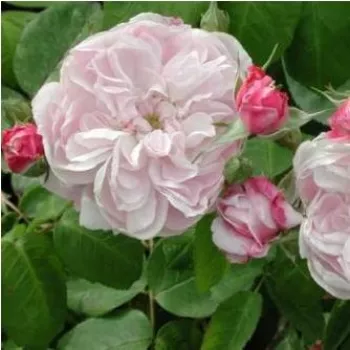
Bushy shrub, around 140–220 cm tall and 120–190 cm wide, with dense, slightly glossy dark green foliage and relatively few thorns, forming a full, rounded garden presence over time. |
| Flower morphology |
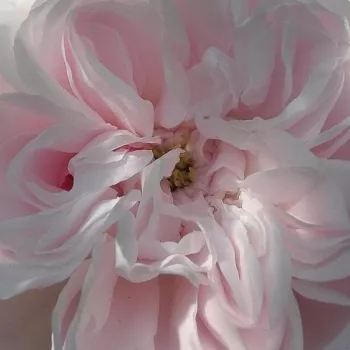
Large, very double rosette flowers, typically solitary on stems, 7–10 cm across, once-flowering in early summer; petals can linger, so spent blooms may need light deadheading for neatness. |
| Colour data and phenology |
Soft pale pink with deeper centre, ARS Lp, RHS 65C outer and 65B inner; buds pastel pink, blooms may fade towards creamy white in strong sun, providing a gentle, evolving colour display. |
| Fragrance and aroma |
Strong, classic old-rose fragrance, easily noticeable in still air and especially effective near paths, doors or seating areas where the once-a-season blooming period can be fully appreciated. |
| Hip characteristics |
Hip set is generally low due to very double flowers; when present, produces small, spherical, orange-red hips about 9–15 mm across, adding a light seasonal accent later in the year. |
| Resistance and winter hardiness |
Hardy to approximately −34 to −32 °C (USDA 4a, RHS H7); resistant to powdery mildew, with moderate black spot and rust; appreciates irrigation in prolonged heat or drought spells. |
| Horticultural recommendations |
Best as border, park, specimen or hedge rose; tolerates partial shade; allow 90–165 cm spacing; prefers improved, free-draining soil and regular deadheading; suitable for larger containers over 40–50 litres. |
FANTIN-LATOUR rewards patient gardeners with one sumptuous wave of strongly scented, pale-pink bloom, long-lived shrub presence and the steady reliability of an own-root plant, making it a thoughtful choice if you value quiet, enduring beauty.