FANNY ARDANT – light pink hybrid tea rose - Adam
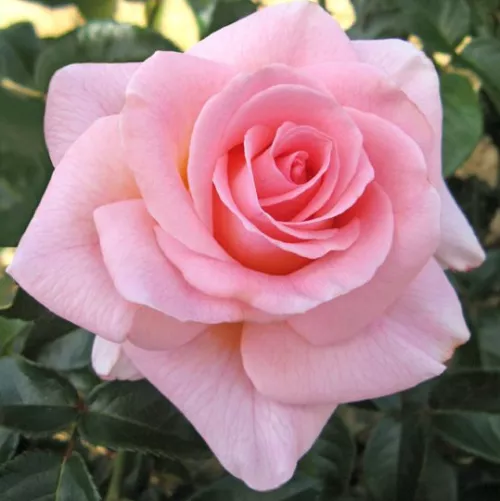
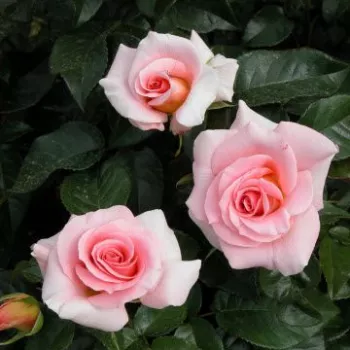
Step outside to meet FANNY in soft, pastel bloom: a hybrid-tea rose that lends a cottage charm to small Irish gardens, even where summers are cool and rainfall frequent and light is often muted. Bred by Michel Adam and grown on its own roots, it settles in gradually yet reliably, rewarding you with an upright, elegant habit, large, classic blooms for cutting, and a fresh, fruity fragrance that feels both feminine and quietly confident.
Usage options
| Target area |
Reasoning |
| Front garden focal point near the door |
The upright habit and glossy foliage create a neat, vertical accent that reads beautifully from the street, while the XL, high‑centred pastel blooms add a gentle, feminine welcome by the front step; ideal for visitors and passers‑by who enjoy an elegant first impression for the homeowner |
| Romantic cottage‑style flower bed |
Planted at 55 cm spacing in a small group, the light pink flowers and dense, dark green leaves slip easily into a loose, cottage border, pairing well with gypsophila and violas for a soft, “girly” look that stays manageable for the beginner |
| Cut‑flower corner for home bouquets |
With solitary, long‑stemmed, high‑centred blooms over 10 cm across, this variety is perfectly suited for cutting; regular dead‑heading and picking encourages repeat flushes, giving you vases of pastel roses with fresh, fruity scent for the hobby‑gardener |
| Low‑maintenance family bed in sun |
Once established, the bushy plant structure, good disease resistance and moderate water needs mean there is little more to do than feeding, mulching and the odd tidy‑up, offering reliable colour for busy weeks and wet Irish weekends for the busy‑urbanite |
| Container on patio or terrace (large pot) |
In a 40–50 litre container with free‑draining compost, this upright rose performs well, giving XL display blooms where soil is poor or paving dominates, provided watering is regular and dead‑heading is done during the season for the balcony‑owner |
| Feature rose in small clay‑soil garden |
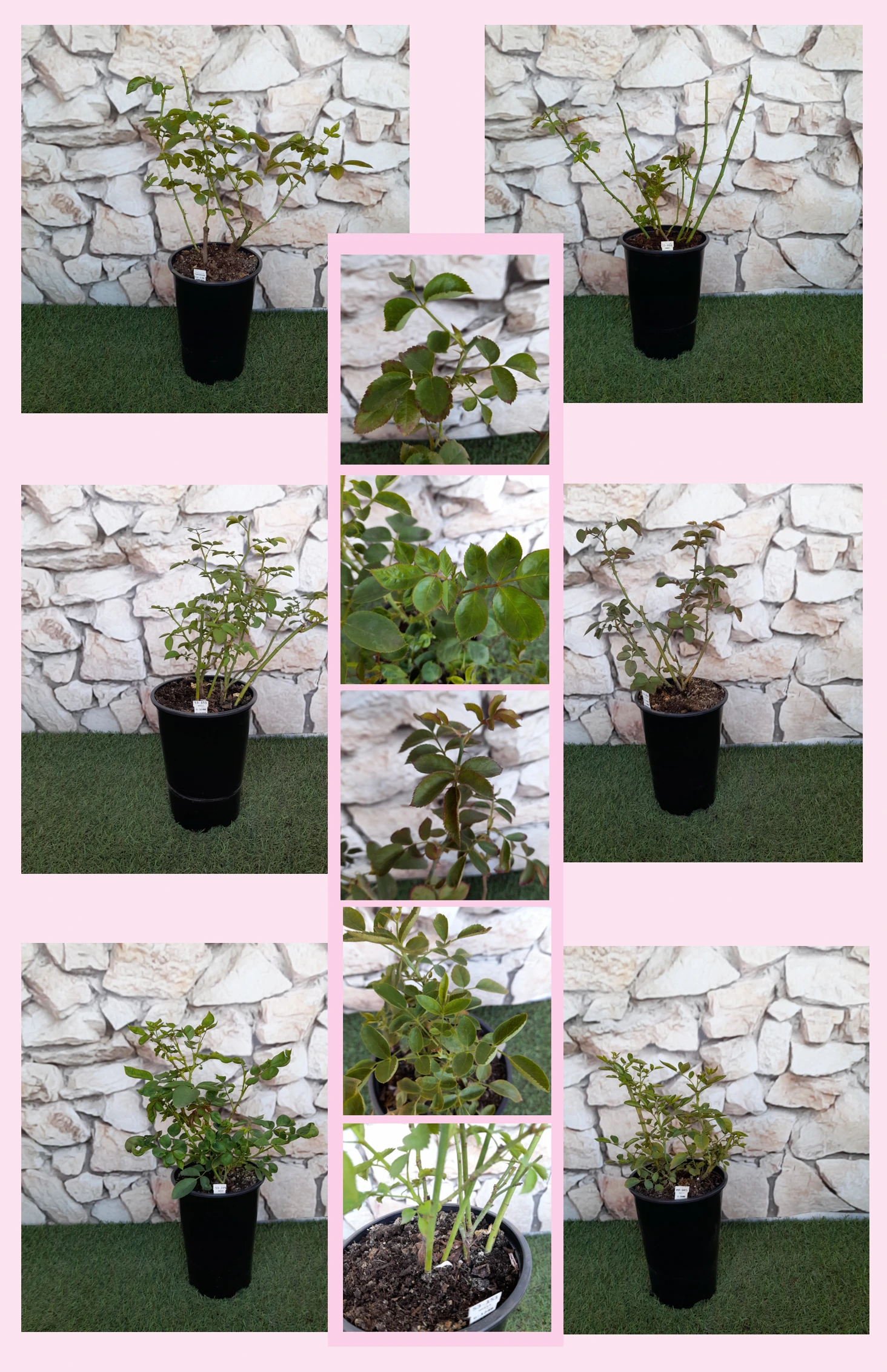
On heavier Irish soils, planting into a raised, well‑drained pocket with organic matter lets the own‑root plant establish steadily; year one focuses on roots, year two on stronger shoots, year three on full ornamental display for the planner |
| Rain‑resilient display in exposed sites |
Glossy foliage and strong disease resistance help this rose stay attractive even where weather is changeable and showers frequent, making it a dependable option in breezy, damp suburban plots that still seek a touch of refinement for the family‑garden |
| Long‑term specimen in a mixed border |
The own‑root form offers long lifespan and the ability to regenerate from the base after hard pruning or winter damage, supporting a stable, enduring presence among shrubs and perennials despite short, cool summers with regular soft rain for the nature‑lover |
Styling ideas
- Cottage‑Curve – Plant three in a gentle arc by a path, underplant with fragrant sweet alyssum to echo the fruity scent – for front‑garden romantics.
- Terrace‑Boudoir – One rose in a 50‑litre pot with pale gravel mulch and a bistro set nearby for evening coffee – for city balcony dwellers.
- Pink‑Ribbon – Line a short front hedge with evenly spaced plants for a soft, pastel border that stays tidy – for neat, time‑pressed homeowners.
- Blush‑Companion – Mix with horned pansies and creeping baby’s‑breath for a light, airy, “girly” planting – for cottage‑style enthusiasts.
- Fragrance‑Nook – Place a single specimen beside a bench so cut blooms and on‑plant scent can be enjoyed up close – for scent‑seeking gardeners.
Technical cultivar profile
| Property |
Data |
| Name and registration |
Hybrid tea rose, registered as ADArocona, marketed as Fanny Ardant (NIRPALWAYS); exhibition hybrid tea in the Rós taehibride group, suitable for garden and cutting use. |
| Origin and breeding |
Bred by Michel Adam in France, breeding year 2001; introduced by NIRP International in 2004, with parentage not publicly recorded; selected primarily for bloom form and garden performance. |
| Awards and recognition |
Highly decorated: Monza Rose of the Year gold medal 2001; Baden‑Baden gold medal and Most Beautiful Ladies' Rose 2001; Lyon Prestige de la Rose trophy and Maurice Carron Award 2002. |
| Growth and structural characteristics |
Upright hybrid tea, typically 90–120 cm tall and 50–70 cm wide; dense, glossy, medium to dark green foliage with moderate thorns; weak self‑cleaning, so spent blooms benefit from regular dead‑heading. |
| Flower morphology |
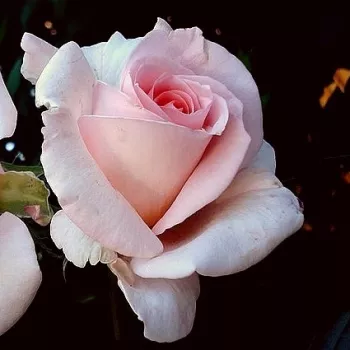
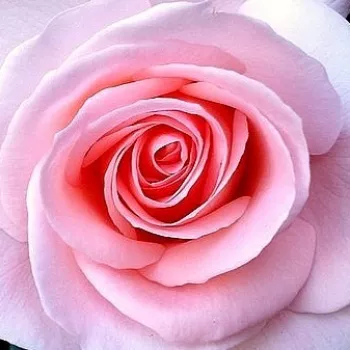
Very large, solitary blooms over 10 cm, high‑centred, pointed‑bud form with 13–25 petals; semi‑double in fullness, classic cut‑rose appearance; remontant with a generous second flush in suitable conditions. |
| Colour data and phenology |
Light pastel pink with slightly darker centre; RHS 65C outer, 65B inner petals; colour holds well, fading to silvery pink with creamy central tones before petal fall, giving a soft, nuanced display over time. |
| Fragrance and aroma |
Fresh, fruity perfume of medium strength, clearly noticeable on still days and in cut stems indoors; fragrance contributes strongly to overall garden value and makes this variety particularly suitable for scented bouquets. |
| Hip characteristics |
Rose hips form only occasionally due to semi‑double to double flowers; when present they are small, spherical, bright red (RHS 44A), about 8–12 mm across, mostly of ornamental rather than wildlife significance. |
| Resistance and winter hardiness |
Good resistance to powdery mildew, black spot and rust; hardy to around −21 to −18 °C (RHS H7, USDA 6b, Swedish zone 3); tolerates average heat with regular watering but dislikes prolonged drought stress. |
| Horticultural recommendations |
Best in full sun, in fertile, well‑drained soil; suitable for beds, specimens, low hedges and large 40–50 litre containers; plant 45–90 cm apart depending on use, with regular feeding, mulching and seasonal dead‑heading. |
Fanny Ardant combines elegant, large pastel blooms, fresh fruity fragrance and strong disease resistance on a durable own‑root framework; consider it if you want a long‑lived, low‑effort statement rose for your garden.