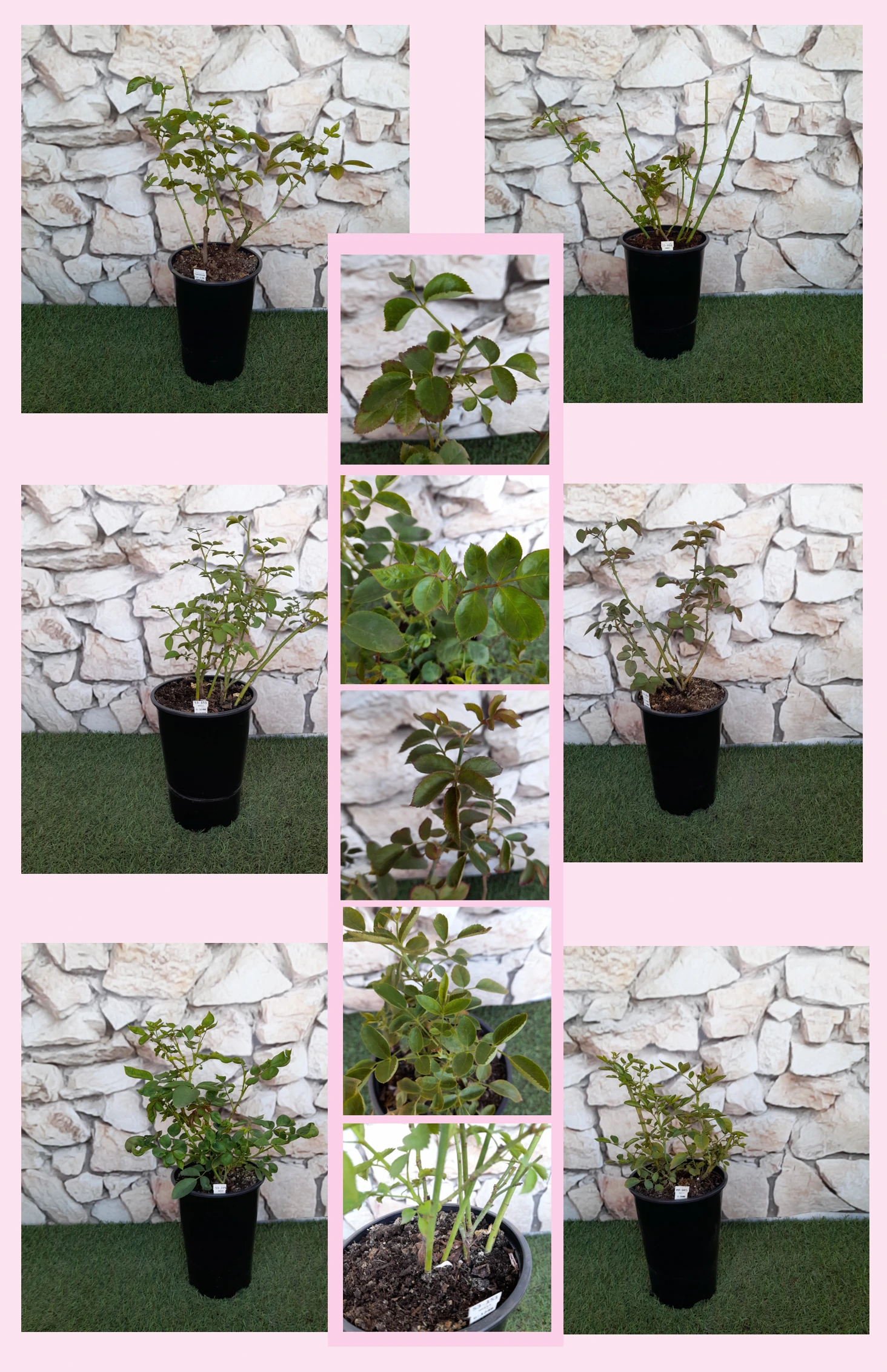
FAIRY ROUGE – red groundcover rose – MORedfar
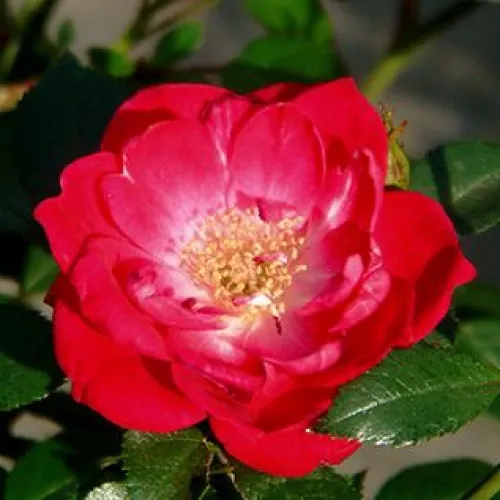
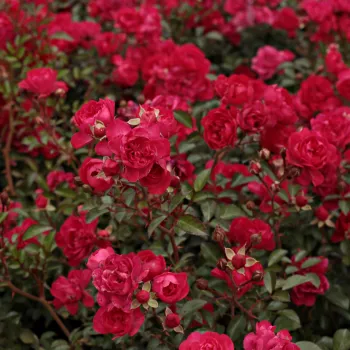
Imagine stepping outside after soft Irish rain, the path lined with cottage charm and cushions of scarlet blooms, each cluster lighting up the garden in a mood of cheerful calm. FAIRY ROUGE is a compact, spreading groundcover rose that repeats its flowering generously, giving reliable colour even when summers are short and changeable with frequent showers and breezy days. As an own-root shrub, it settles in steadily, building a long-lived framework that shrugs off ordinary pruning and light mishaps, ready to regrow for decades of enjoyment. Plant once, then simply water, mulch and shape lightly as it fills out the front of beds, low hedges and larger containers over its natural year-by-year rhythm. Ideal for busy households and beginners who want easy, low, red groundcover along a path, terrace or drive, bringing a sense of contentment every time you open the front door.
Usage options
| Target area |
Reasoning |
| Front-of-border edging in a family garden |
The low, spreading habit forms a neat, flower-laden edge along mixed borders, softening lawn or paving without blocking views across a small garden; once established, shaping is straightforward and suits relaxed family spaces – ideal for the beginner. |
| Cottage-style groundcover under taller shrubs |
Its compact height and dense foliage make a colourful carpet beneath lilac, hydrangea or small trees, helping to cover bare soil and reduce weeding while keeping a romantic, “girly” cottage look – perfect for the romantic. |
| Dublin terraced-house front garden strip |
The continuous clusters of small red blooms provide strong street-side colour in narrow beds, coping well with urban conditions and simple pruning so your front garden looks cared-for with minimal effort – reassuring for the busy. |
| Low flowering hedge along paths and driveways |
Planted at the recommended hedge spacing, plants knit together into a low, visually tidy line, guiding visitors while remaining easy to maintain at waist height, ideal where children and pets share the space – suited to the family. |
| Large container on patio or balcony |
In a 40–50 litre pot, its arching, flower-covered shoots spill attractively over the rim, offering season-long colour close to seating areas, with simple watering and feeding the main tasks – appealing for the urbanite. |
| Own-root planting for long-term, low-fuss structure |
Grown on its own roots, it regenerates well from the base after pruning or weather damage, gradually forming a stable, long-lived shrub that gives increasing ornamental value from year to year – reassuring for the planner. |
| Irish gardens with regular rain and wind |
The broad, spreading shape and dense foliage cope well with blustery, damp conditions and cool summers, sustaining flowering in typical Atlantic weather where many taller roses might rock or sulk – confidence-building for the coastal. |
| Colour accent in mixed seasonal plantings |
Its vivid red, ball-shaped clusters contrast beautifully with silver foliage or low evergreens in beds or gravel plantings, offering reliable punctuation of colour without fussy care, especially once roots have settled – inspiring for the stylist. |
Styling ideas
- Cottage ribbon – Run a curving line of FAIRY ROUGE along a path with soft geraniums and low catmint for a storybook cottage feel – perfect for nostalgic homeowners.
- City welcome – Flank a small Dublin townhouse gate with two large containers of this rose underplanted with trailing ivy – ideal for style-conscious urban dwellers.
- Scarlet carpet – Mass-plant in a sunny front bed, weaving between dwarf junipers for year-round structure and a deep red summer carpet – made for low-maintenance gardeners.
- Soft contrast – Combine with pale pink daisies and airy grasses so the tidy, spreading form anchors lighter, moving plants – suited to relaxed, nature-oriented owners.
- Play-friendly border – Use as a low backstop in front of a lawn, spaced wide so children still have room, paired with tough groundcovers like aubretia – great for young families.
Technical cultivar profile
| Characteristic |
Data |
| Name and registration |
Groundcover and Polyantha rose, registered as MORedfar, traded as FAIRY ROUGE / Red Fairy; exhibition polyantha and low edging plant within the Clúdach talún commercial group. |
| Origin and breeding |
Bred by Ralph S. Moore at Sequoia Nursery, Visalia, California, USA; introduced and registered in 1995, with the exact parentage unknown but selected for dwarf, spreading habit. |
| Growth and structural characteristics |
Low, widely spreading shrub 60–95 cm high and 90–140 cm wide, with dense, slightly glossy light- to mid-green foliage and moderate prickles; ideal as groundcover or low informal hedge. |
| Flower morphology |
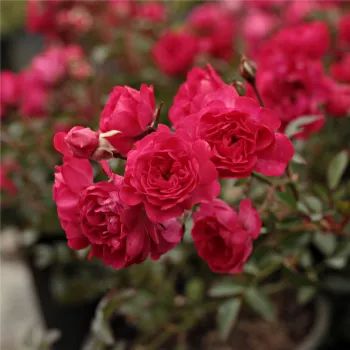
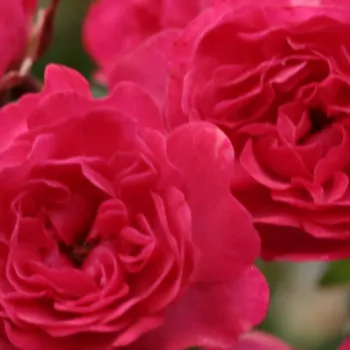
Small, double, ball-shaped to pompon blooms, 1–4 cm across, typically produced in clusters; 26–39 petals, with remontant flowering and notably generous repeat flushes in suitable conditions. |
| Colour data and phenology |
Medium-intensity scarlet red flowers, slightly warmer in tone; buds dark scarlet, freshly opened blooms vivid red, becoming marginally paler in strong sun yet deeper in cooler weather. |
| Fragrance and aroma |
Delicate, sweet scent that is very weak and barely perceptible in most conditions; primarily chosen for continuous colour and form rather than for strong olfactory impact in the garden. |
| Hip characteristics |
Rose hips are sparse due to the double flowers; small, spherical fruits around 6–9 mm in diameter, developing orange-red to red tones where present, with limited ornamental significance. |
| Resistance and winter hardiness |
Hardy to approximately −26 to −23 °C (RHS H7, USDA zone 5b, Swedish zone 4); moderate tolerance to heat and drought, moderate disease resistance, benefits from routine care in damp seasons. |
| Horticultural recommendations |
Best in sunny sites with well-drained soil; water during prolonged dry spells and protect from late spring frosts. Recommended for beds, borders, groundcover and containers at appropriate spacing. |
FAIRY ROUGE offers compact groundcover colour, a manageable spreading habit and dependable container performance on its own roots, making it a thoughtful, low-fuss choice for long-lived family gardens.