EVECOT – peach-pink hybrid tea rose - Rateau
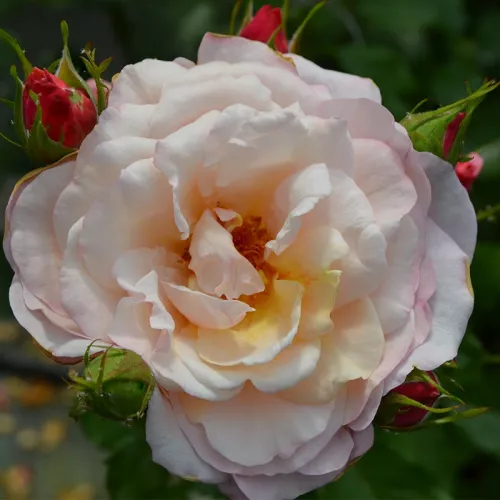
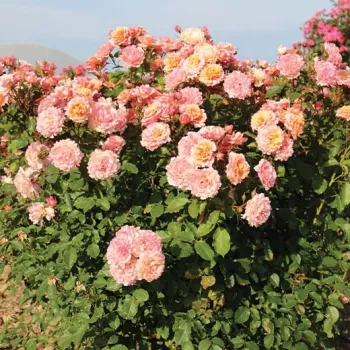
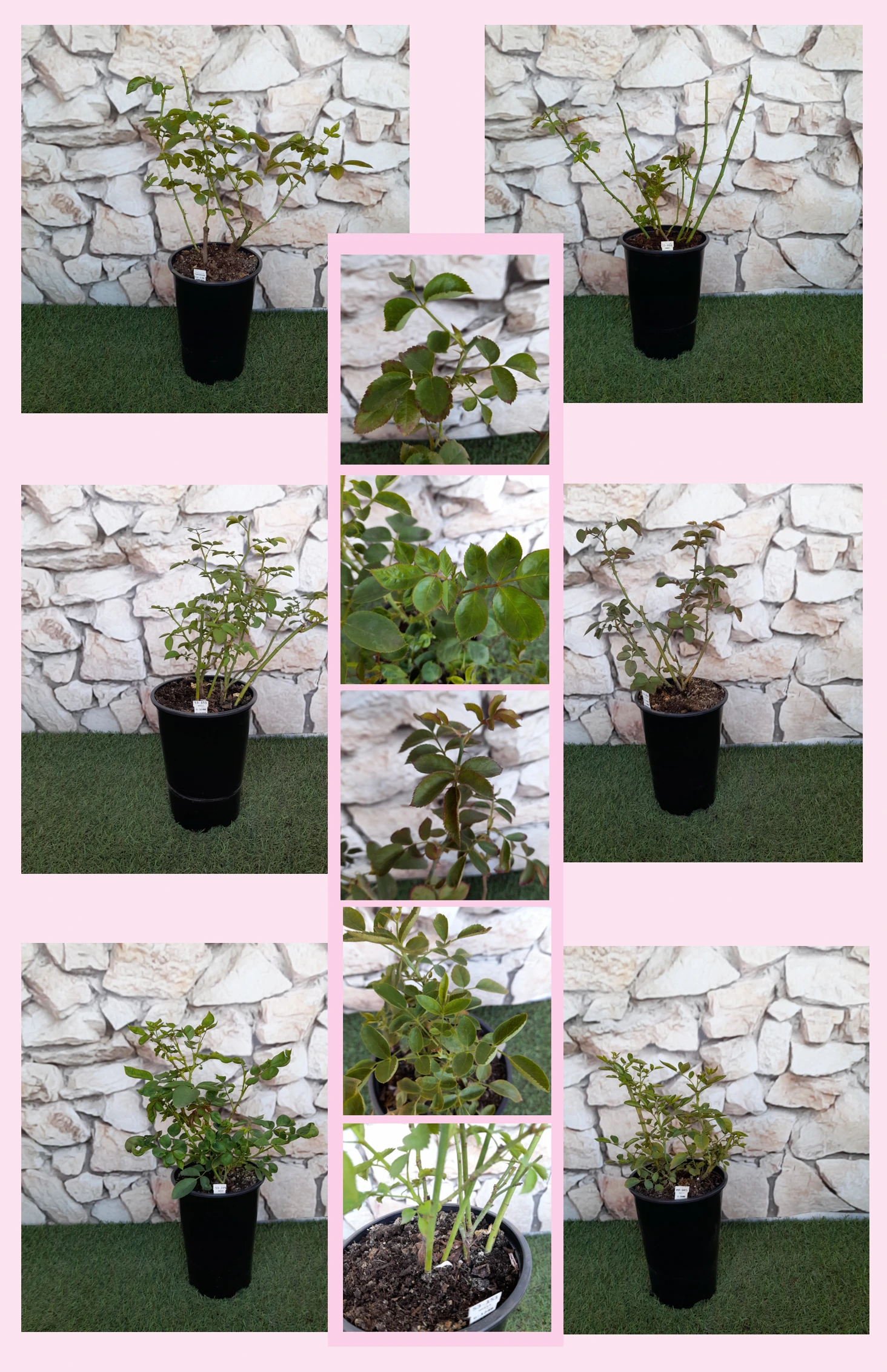
Imagine stepping outside for a short stroll as fine rain falls and soft green light washes over your garden – this is where Evecot truly shines, bringing tall, elegant stems and large, cup-shaped blooms that stay beautiful even in changeable Irish weather and frequent showers, gently brightening days of drizzle. Its warm peach-pink flowers open in waves from early summer well into autumn, giving you a long season of colour without complicated routines. Each very double flower releases a fruity, sweetly spicy perfume that you will notice as you pass, making it perfect for a cottage-style front garden or a treasured cutting patch near the door. Grown on its own roots, it settles in steadily and rewards patient care year by year, with roots building first, then stronger shoots, and by the third season a full, lasting display that suits busy gardeners who still want a refined, feminine look.
Usage options
| Target area |
Reasoning |
| Front garden specimen by the path |
The tall, upright habit and large, exhibition-quality blooms create an immediate focal point near your front door, offering an elegant welcome and a lovely scent each time you pass. Best for the homeowner. |
| Cottage-style mixed border |
Its peach-pink tones blend softly with perennials such as catmint and columbine, giving a gentle, “girly” cottage feel without overwhelming smaller family gardens. A natural choice for the cottage-gardener. |
| Cutting patch for home bouquets |
Long, straight stems and full, cup-shaped flowers make this variety ideal for vases, bringing the sweetly spicy, fruity fragrance indoors over a long season. Especially rewarding for the flower-lover. |
| Repeat-flowering feature in small gardens |
Remontant flowering means it returns with abundant second flushes, keeping interest going through shorter Irish summers when every week of colour counts. Suits the time-poor beginner. |
| Own-root, long-term garden investment |
As an own-root rose it regenerates well from the base, holding its shape and ornamental value for many years with simple pruning and feeding, rather than frequent replacement. Ideal for the practical planner. |
| Partial-shade side border |
This variety tolerates partial shade, so it still flowers reliably beside walls or along terraced-house paths that only receive sun for part of the day. Helpful for the urban gardener. |
| Large patio container (50 litres+) |
In a generous, well-drained pot of at least 50 litres, it becomes a mobile feature for terraces or small yards, allowing you to enjoy fragrance and colour close to seating areas. Perfect for the balcony-and-patio owner. |
| Family garden rose under frequent showers |
Developed for garden use, it copes well with breezy, rainy spells typical of Irish weather, giving a reliable show when you step out between showers on soft, grey days. A reassuring choice for the busy family. |
Styling ideas
- Cottage Charm – Plant Evecot among catmint and columbine for a romantic, pastel border that softens paths and low fences – ideal for owners of Irish cottage gardens.
- Front-Door Welcome – Place one or three plants by the front path, underplanted with low lavender, to greet guests with colour and fragrance – suited to Dublin terraced-house entrances.
- Peach Bouquet Corner – Dedicate a sunny corner to rows of Evecot for regular cutting, backed by airy grasses for movement – perfect for hobby florists and home arrangers.
- Patio Focus – Grow a single plant in a 50–60 litre container with trailing thyme at the rim for scent at seating height – great for busy urban gardeners with limited space.
- Soft Evening Border – Combine with pale campanulas and white flowering perennials so the peach-pink blooms glow in soft evening light – appealing to fragrance-loving evening sitters.
Technical cultivar profile
| Trait |
Data |
| Name and registration |
Hybrid tea rose, registered as EVEcot, marketed as Evecot and exhibited as Pierre Hermé; part of the Rós taehibride group, suitable for both garden use and cut-flower showing. |
| Origin and breeding |
Bred by Jérôme Rateau in France in 2009 for Roses Anciennes André Eve, introduced in 2016 after registration in 2015, with parentage recorded as unknown but selected for garden performance. |
| Awards and recognition |
Highly decorated: silver medal at Kortrijk 2015, gold at Saverne 2016, shrub rose special award at Hradec Králové 2017 and the prestigious Rose d’Or grand prize in Orléans 2018. |
| Growth and structural characteristics |
Upright, bushy habit reaching about 110–150 cm high and 75–105 cm wide, with dense, mid-green glossy foliage and moderate thorns, forming a balanced shrub ideal for borders and specimens. |
| Flower morphology |
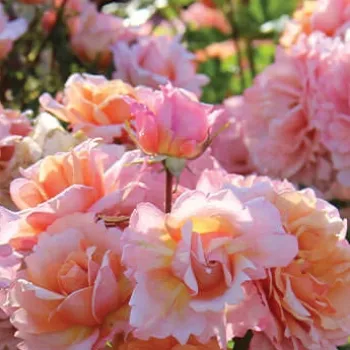
Large, very double, cup-shaped blooms 7–10 cm across, often in clusters of three to five per stem, with more than forty petals and a remontant habit providing abundant repeat flower flushes. |
| Colour data and phenology |
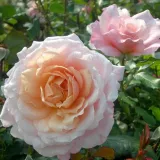
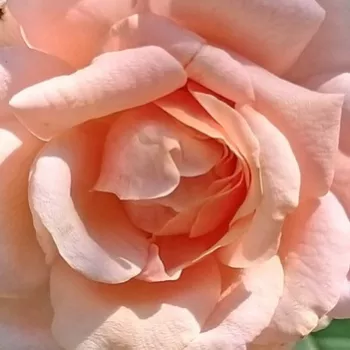
Peach-pink gradient from intense peach-orange buds to vivid peach centres and pale, creamy pink outer petals; RHS 36C outside, 33A within, gently fading to pastel tones as the flowers age. |
| Fragrance and aroma |
Strong, distinctive perfume combining sweet, fruity notes with a gentle spicy character, clearly noticeable in the garden and in the vase, contributing strongly to its value as a cut-flower rose. |
| Hip characteristics |
Occasional ellipsoid hips form after flowering, about 10–14 mm across, in a warm orange-red shade, adding discreet seasonal interest without reducing its primary role as a flowering shrub. |
| Resistance and winter hardiness |
Hardy to around −21 to −18 °C (USDA zone 6b, RHS H7), with moderate resistance to powdery mildew, black spot and rust, needing standard rose care and some protection in high-pressure seasons. |
| Horticultural recommendations |
Best in fertile, well-drained soil with regular watering in dry spells; plant 55–100 cm apart depending on use, in sun or partial shade, and prune annually to maintain shape and encourage new flowering wood. |
EVECOT offers tall, elegant blooms, a strong fruity fragrance and reliable repeat flowering on its own roots, making it a thoughtful, long-term choice for your garden that is well worth considering.