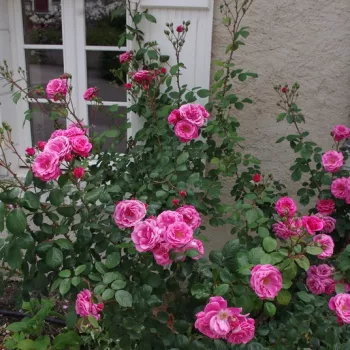
ÉTUDE – deep pink climbing rose – Gregory
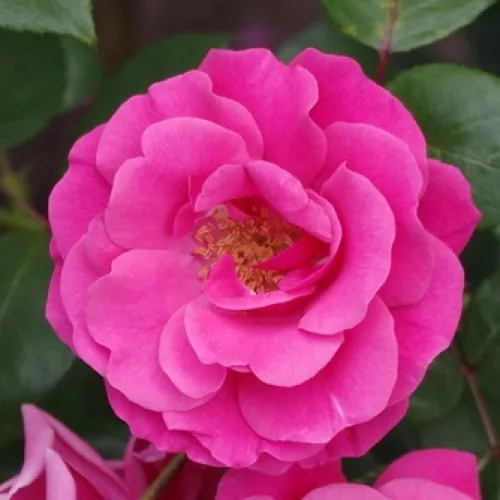
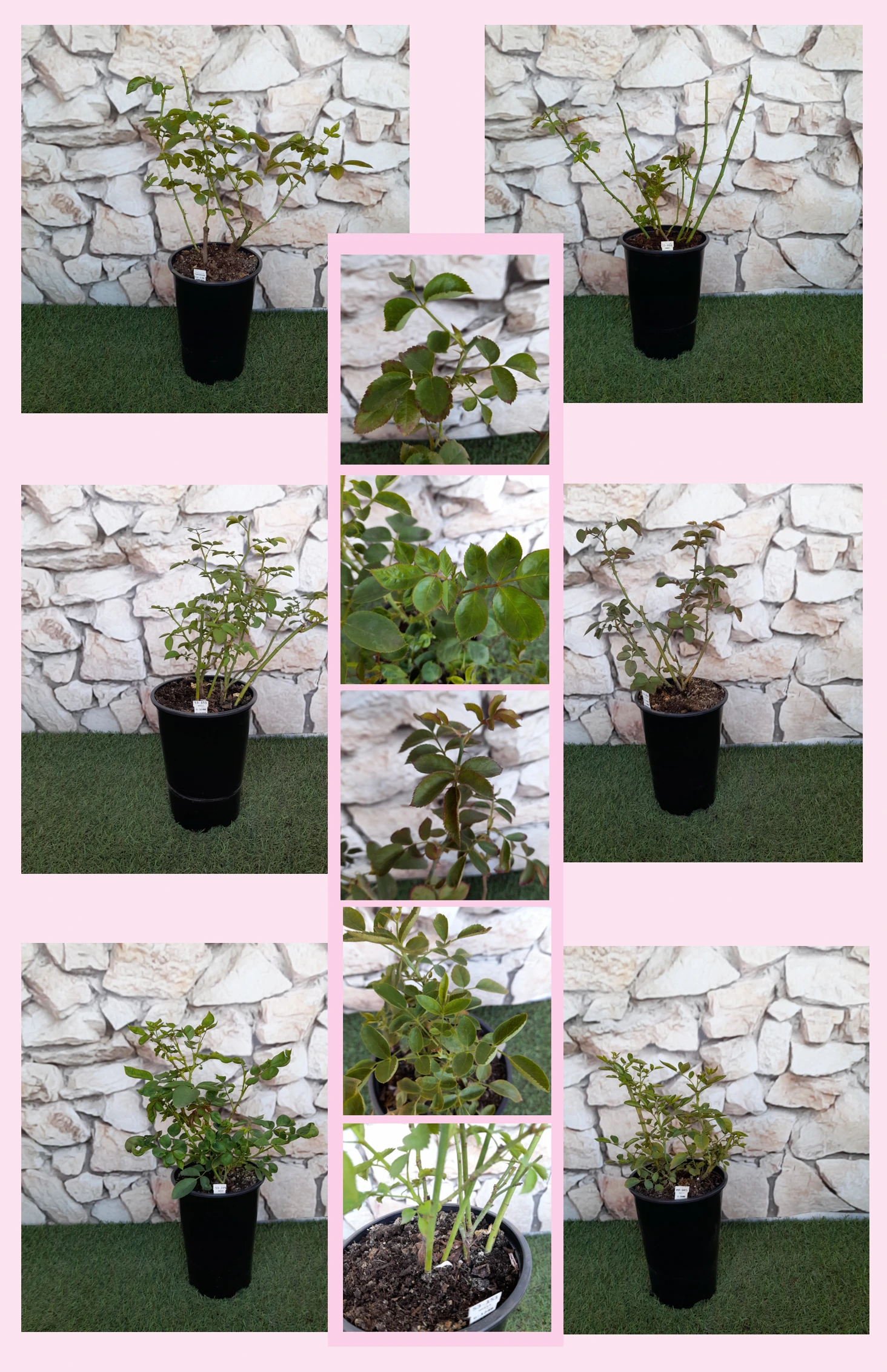
Step outside to the soft light of an Irish evening and let ÉTUDE’s raspberry blooms bring a sense of contentment to your front garden or cottage wall, even when showers drift in on the breeze and you feel that familiar Atlantic freshness lingering in the air. This deep-pink climbing rose offers a long season of flowering from its own-root base, building strength gradually so roots establish in year one, shoots and framework fill out in year two, and by year three you enjoy its full character and stable display. The strong, sweet perfume and rich colour create a gently romantic focus against brick, stone, or painted facades, while simple deadheading helps maintain its neat appearance. Trained on a fence, pergola, or arch, ÉTUDE delivers that softly feminine, “girly” cottage feel with surprisingly little effort once planted well.
Usage options
| Target area | Reasoning |
|---|
| Front cottage wall or Dublin terraced-house façade |
Perfect where you want a welcoming, “girly” cottage look with reliable colour up the wall; ÉTUDE’s repeat deep-pink flowering and sweet scent make everyday comings and goings feel special for the busy urban gardener |
| Fence or boundary screen in a family garden |
Use along a fence for vertical interest and privacy; its steady, own-root growth builds a long-lived framework that copes well with cool, damp Irish summers when properly mulched and fed for the low-maintenance homeowner |
| Pergola, arch, or rose walk feature |
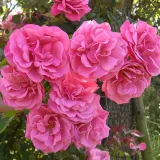
Train over an arch or pergola to create a scented passageway; the strong, raspberry fragrance and abundant clusters transform short outdoor walks under raindrops into cheerful moments for the romance-loving gardener |
| Statement specimen near seating or patio |
Planted with enough space, ÉTUDE forms an elegant, eye-catching climber whose long flowering season and colour stability provide reliable ornamental value from year to year for the beginner garden-owner |
| Large container on balcony, terrace, or paved yard |
In a 40–50 litre or larger pot with good drainage, ÉTUDE can be trained on an obelisk or trellis, bringing strong fragrance and rich colour to small, paved urban spaces for the space-limited city dweller |
| Part-shaded side passage or north-east aspect |
Suitable for partial shade, it still flowers well on walls or fences that miss the hottest sun, keeping a softer look where many roses would struggle for the practical Irish gardener |
| Mixed cottage-style border with perennials |
Combine with airy companions like Gypsophila and bold Crocosmia to balance its deep pink and create a biodiverse, textured planting that maintains interest from early to late season for the nature-oriented rose lover |
| Cutting and fragrance corner |
Grow near a path for easy access to long, scented stems; ÉTUDE’s large, double clusters make generous vase arrangements, adding long-lasting perfume indoors for the fragrance-collecting enthusiast |
Styling ideas
- Cottage-Romantic Wall – Train ÉTUDE over a low cottage wall with lamb’s ear at the base to echo its soft, feminine mood – ideal for homeowners wanting a “girly” Irish cottage frontage
- Scented Front Door – Frame a Dublin terraced-house doorway with ÉTUDE and baby’s breath, letting the strong raspberry fragrance greet visitors – perfect for sociable, fragrance-focused city gardeners
- Raspberry-and-Flame Border – Pair ÉTUDE with Crocosmia ‘Lucifer’ and ornamental grasses for vivid contrast and long seasonal structure – for creative gardeners who enjoy bold yet easy colour
- Soft-Glow Pergola – Let ÉTUDE climb a simple timber pergola above a small seating area, combining long flowering and perfume to enhance evenings outdoors – suited to families who relax in the garden after work
- Container Feature Trellis – Plant ÉTUDE in a 50 litre pot with free-draining compost and a slim trellis, adding instant height and colour to a paved yard – great for renters or balcony gardeners seeking impact
Technical cultivar profile
| Property | Data |
|---|
| Name and registration |
ÉTUDE – deep pink climbing rose – Gregory; large-flowered climber in the Rós dreapadó group, exhibition climbing rose; trade and exhibition name Étude, introduced as an own-root garden climber. |
| Origin and breeding |
Bred by Charles Walter Gregory in the United Kingdom from ‘Spectacular’ × ‘New Dawn’; breeding completed 1965, introduced in 1973 via C. Gregory & Son Ltd. and Roy H. Rumsey Pty. Ltd. |
| Growth and structural characteristics |
Climbing habit to around 180–260 cm high and 120–200 cm spread; moderately dense, slightly glossy dark green foliage; moderately thorny stems suitable for training on supports or walls. |
| Flower morphology |
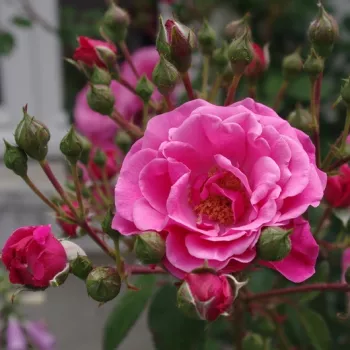
Large, 7–10 cm double, cup-shaped blooms with 26–39 petals; cluster-flowering with remontant habit, though the second flush is lighter; weak self-cleaning so deadheading is recommended. |
| Colour data and phenology |
Intense deep raspberry-pink, ARS DP; RHS 57C outer, 57B inner; silvery-edged effect at full bloom; colour fades only slightly to warmer pink tones, maintaining very good overall colour retention. |
| Fragrance and aroma |
Strong, long-lasting perfume with a sweet, raspberry-scented character; ideal where scented seating areas, doorways, or cut flowers are priorities in compact family gardens or smaller urban plots. |
| Hip characteristics |
If spent flowers are not removed, produces moderately abundant, spherical, 10–14 mm orange-red hips, adding late-season interest and subtle wildlife value in more relaxed maintenance regimes. |
| Resistance and winter hardiness |
Hardy to about −21 to −18 °C (RHS H7, Swedish zone 3, USDA 6b); moderate heat and drought tolerance, needing watering in prolonged dry spells; disease resistance modest with rust susceptibility. |
| Horticultural recommendations |
Best on well-drained but moisture-retentive soil, spaced 140–250 cm depending on use; suitable for walls, fences, pergolas and specimens; benefits from regular deadheading and protective spraying when needed. |
ÉTUDE offers richly scented deep-pink clusters, long seasonal colour and adaptable climbing form on a resilient own-root plant that settles in for many years of gentle enjoyment, making it a thoughtful choice for your garden plans.