ELISABETH VON THÜRINGEN – golden-orange hybrid tea rose – Dickson
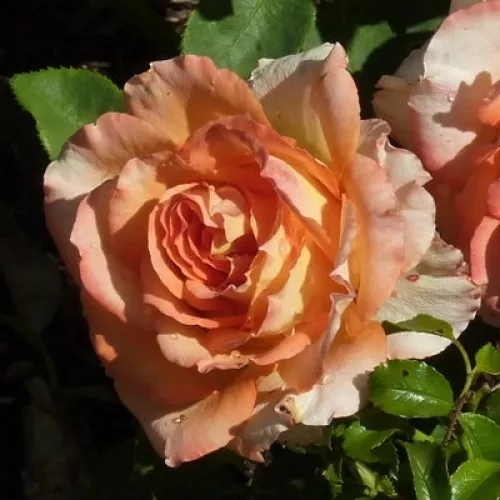
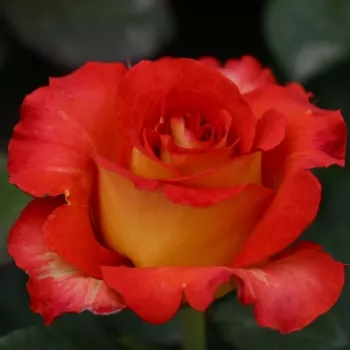
Imagine stepping outside after soft Irish rain to meet a low, bushy rose glowing in warm golden-orange tones, its pointed buds opening into classic, exhibition-style blooms that hold their colour beautifully against glossy dark foliage. ELISABETH VON THÜRINGEN is an own-root hybrid tea bred in Germany, designed for reliable structure and graceful form in smaller family gardens where space and time are both at a premium. With a medium, manageable height and neat spread, it slips easily into a “girly” cottage border or a Dublin terraced front, coping well with our damp seasons and frequent rainfall that can challenge fussier roses. In its first year it quietly invests in roots, in the second it builds confident shoots, and by the third year it settles into full ornamental value, rewarding light, regular care with repeated flushes of elegant, golden-orange flowers.
Usage options
| Target area |
Reasoning |
| Sunny front garden bed in a Dublin terrace |
The compact, bushy habit and medium height make this rose ideal beside a path or low front wall, giving neat structure without blocking light, while its warm golden-orange blooms offer welcoming kerb appeal for busy urban beginners. |
| Romantic Irish cottage-garden border |
The classic, high-centred flowers and changing bud-to-bloom colours sit beautifully among soft perennials, echoing traditional hybrid tea elegance while still suiting informal planting, perfect for the cottage-garden enthusiast. |
| Small mixed rose and perennial bed |
With a modest spread and recommended spacing from 30 to 45 cm, it weaves easily between companion plants like coreopsis or verbena, adding structure and repeat flower without overcrowding for the space-conscious gardener. |
| Cutting patch for home bouquets |
The long-stemmed, pointed-bud flowers are classic cut-rose style, opening slowly and keeping form in the vase, so even a short row in the garden can supply elegant stems for the home flower arranger. |
| Feature planting near a seating area |
Although only lightly scented, the refined flower form and shifting colour palette from deep red bud to peachy-rose fading stage give close-up visual interest across the season, suiting the quiet-evening garden user. |
| Low, formal edging or short hedge |
Regular growth and medium maintenance needs make it manageable as a short, repeat-flowering line when planted at 25 cm intervals, creating a tidy, structured border for the order-loving homeowner. |
| Own-root planting for long-term garden structure |
Being grown on its own roots supports good regeneration after pruning or weather damage and a stable shape over many years, offering dependable ornamental value for the long-view gardener. |
| Large container on a sheltered patio |
In a generous 40–50 litre pot with free-draining compost, this compact bush can thrive even where soil is heavy, its glossy foliage and golden-orange blooms brightening damp, Atlantic-influenced summers for the practical patio owner. |
Styling ideas
- Cottage-Romantic – Combine with airy Verbena hastata ‘Blue Spires’ and soft grasses for a loose, storybook border – ideal for cottage-garden dreamers.
- Front-Door Welcome – Plant three in a triangle by a path with low Euonymus fortunei ‘Minimus’ at their feet – perfect for terrace-house entrances.
- Warm-Sunset – Pair with yellow Coreopsis grandiflora and apricot perennials to echo its golden-orange tones – suited to colour-loving family gardeners.
- Formal-Accent – Use in a short, straight line edging a lawn or driveway, underplanted with low evergreen groundcover – good for structured-design enthusiasts.
- Patio-Focus – Grow one plant in a 50-litre clay pot with pale gravel mulch to highlight the glossy foliage and flower form – attractive for balcony and courtyard owners.
Technical cultivar profile
| Parameter |
Data |
| Name and registration |
Hybrid tea rose, registered as DICkarl, marketed as ELISABETH VON THÜRINGEN – golden-orange hybrid tea rose – Dickson; commercial group Rós taehibride for garden and cutting use. |
| Origin and breeding |
Hybrid tea bred by Colin Dickson in Germany, breeding year 2007; detailed parentage and original distributor data are not available from current records. |
| Growth and structural characteristics |
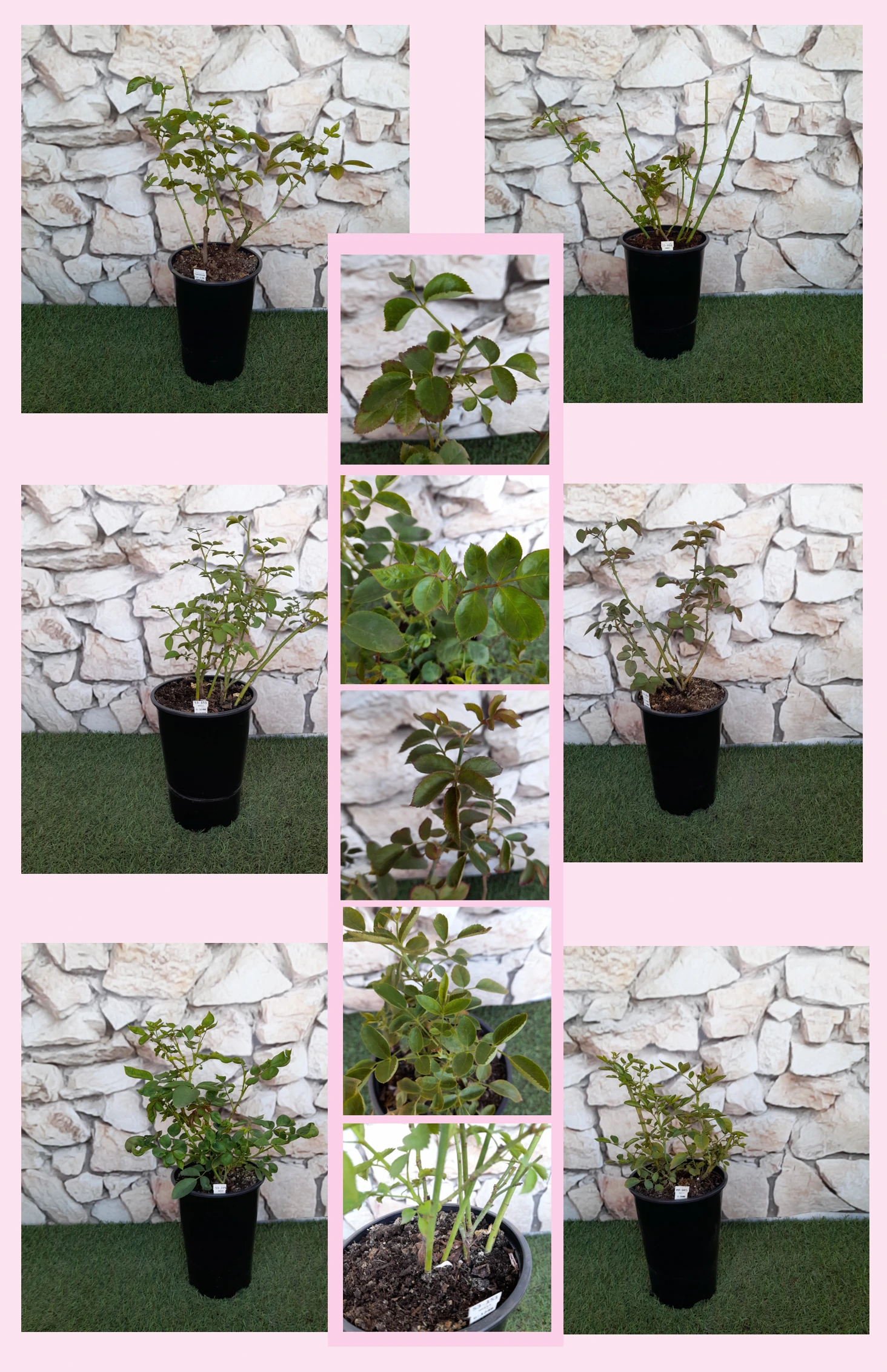
Bushy shrub reaching around 50–75 cm in height with a 35–50 cm spread; moderately dense, glossy dark green foliage and moderate prickliness, forming compact, upright plants. |
| Flower morphology |
Large, double flowers with 26–39 petals, high-centred, pointed-budded form; solitary blooms on stems, hybrid tea type; remontant with abundant second flush and good cutting quality. |
| Colour data and phenology |
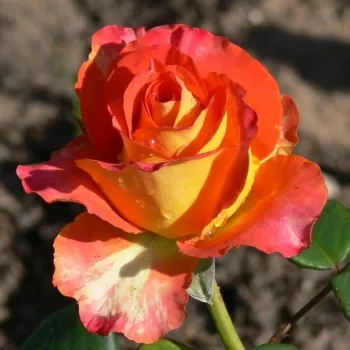
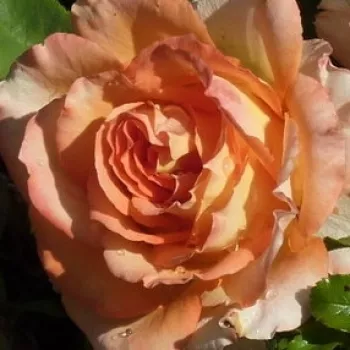
Deep red buds with golden-orange hints open to golden-orange blooms edged in red; colour softens to peachy-rose as petals age, with medium colour retention under garden conditions. |
| Fragrance and aroma |
Fragrance is very weak and often barely perceptible; no defined scent profile recorded, so it is chosen primarily for flower form, colour play and garden structure rather than perfume. |
| Hip characteristics |
Rose-hip set generally low due to the full, double flower form; when present, produces small spherical orange-red hips about 10–14 mm in diameter, mainly of ornamental interest. |
| Resistance and winter hardiness |
Medium resistance to powdery mildew, black spot and rust; hardy approximately to −21 to −18 °C (RHS H7, USDA 6b, Swedish zone 3) with routine rose care recommended. |
| Horticultural recommendations |
Best in full sun with well-drained soil; allow 30–45 cm spacing depending on use; medium maintenance, with occasional plant protection and regular deadheading to encourage repeat flowering. |
ELISABETH VON THÜRINGEN offers compact, bushy growth, elegant golden-orange blooms and long-term stability from its own-root form, making it a considered choice for those shaping a small family garden over time.