ELARA – orange bedding floribunda rose – PANdocell
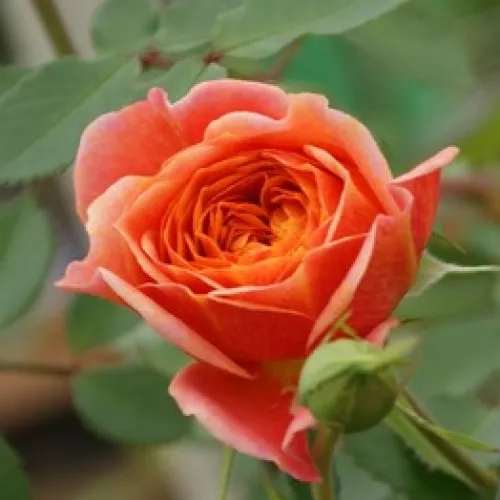
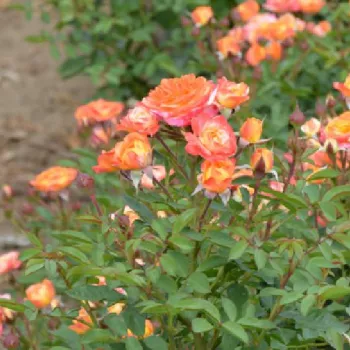
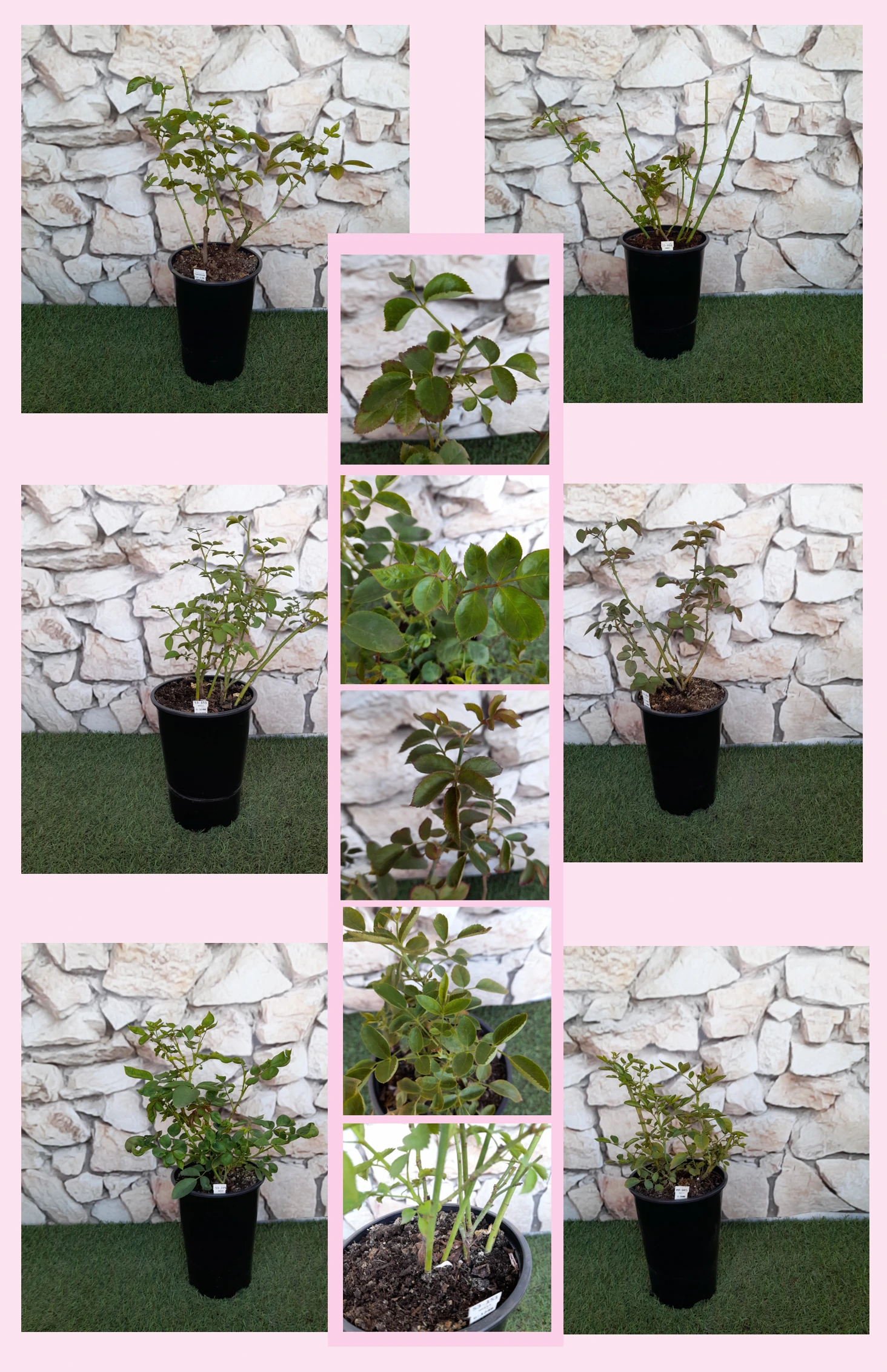
Like a gentle stroll through a summer shower, ELARA surrounds you with colour, soft light and easy charm. Its bushy shrubs carry clusters of coral‑orange, cup‑shaped blooms that slowly blend into peach and cream, bringing continuous interest to Irish cottage borders and compact Dublin front gardens. Planting is straightforward and ongoing care is modest, even in small plots with cool summers and frequent rain softened by Atlantic breezes. In its first year it settles and builds roots, in the second it throws more shoots, and by the third it shows full garden character, rewarding your patience with reliable flowering. As an own‑root shrub it keeps its shape and recovers well after setbacks, giving you a long‑lived, low‑fuss display that suits busy family routines.
Usage options
| Target area | Reasoning |
|---|
| Classic cottage-style flower bed |
ELARA’s bushy habit and mid‑green foliage create a neat, low backdrop for perennials while its clusters of warm orange to peach blooms add continuous colour from early summer onwards, ideal for relaxed borders enjoyed by beginners. |
| Low flowering hedge along a path |
Planted 35 cm apart, the shrubs knit into a tidy, low hedge, giving structure and soft colour without overshadowing the rest of the garden; own‑root growth keeps gaps to a minimum over time, which suits homeowners. |
| Front garden statement shrub |
Single plants spaced at about 75 cm form compact, rounded mounds that stay attractive for many years, with flowers that read clearly from the pavement and need only light dead‑heading, a good fit for busy urbanites. |
| Edging for terraces and seating areas |
Its moderate height and medium spread make ELARA perfect for edging patios or terraces, where the changing flower tones can be appreciated up close and maintenance is limited to occasional trimming, appealing to relaxed hobby‑gardeners. |
| Large containers on steps or balconies |
In 40–50 litre pots with good drainage, ELARA forms a dense, floriferous shrub whose own‑root system helps it regenerate if winter or wind cause damage, offering reliable seasonal impact for container‑loving residents. |
| Mixed bed with perennials |
Its vivid opening orange and softer peachy ageing tones pair beautifully with purples and blues, yet the shrub remains compact and manageable, suiting mixed plantings curated by colour‑conscious gardeners. |
| Family garden flower bed with children |
Moderate prickles, medium maintenance needs and sturdy, resilient growth make ELARA practical in play‑friendly spaces where plants may be brushed past or occasionally knocked, reassuring for safety‑minded parents. |
| Small Irish gardens with cool, damp summers |
ELARA repeats well even in short, showery summers, coping with regular rain and cooler spells while still forming dense, bushy growth that knits neatly into the border, which is encouraging for climate‑aware buyers. |
Styling ideas
- COTTAGE BORDER RIBBON – Run ELARA in a loose ribbon through a cottage bed, weaving between foxgloves and lavender for an easy, romantic look – ideal for informal border lovers.
- DUBLIN FRONT DOOR DUO – Plant two large containers of ELARA by your front steps, underplanted with trailing ivy or thyme to soften the pot edges – perfect for city terrace entrances.
- PEACH AND PURPLE MIX – Combine ELARA with Knautia ‘Red Knight’ and Echinacea for a long-season colour blend of oranges, peaches and deep berry tones – great for colour-focused gardeners.
- LOW HEDGE FRAME – Use ELARA as a low hedge to frame a lawn or vegetable patch, creating a soft floral boundary that stays compact and tidy – suited to family gardens needing structure.
- RELAXED PATIO EDGE – Edge a sunny patio with ELARA interplanted with dwarf asters, letting the changing flower tones echo late-summer evening light – appealing to evening outdoor hosts.
Technical cultivar profile
| Characteristic | Data |
|---|
| Name and registration |
Floribunda bedding shrub rose; registered as PANdocell, marketed as ELARA – orange bedding floribunda rose – Panozzo; collection: Bedding rose; commercial group: Rósra bhláthchlóis. |
| Origin and breeding |
Bred in France by Bernard Panozzo; parentage unknown; introduced and initially distributed by La Star de Doué in 2019; registered in the EU in 2019 under the cultivar name PANdocell. |
| Growth and structural characteristics |
Compact, bushy shrub 50–75 cm high and 40–60 cm wide, with moderately dense, matt, mid‑green foliage and moderate prickles; self‑cleaning is partial, so some dead‑heading of spent blooms is recommended. |
| Flower morphology |
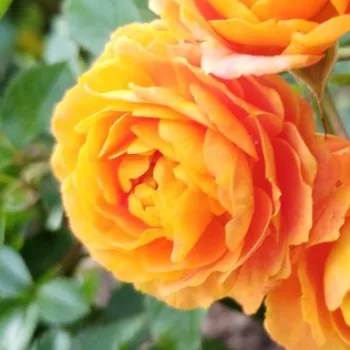
Medium-sized, 4–7 cm, very double, cup-shaped blooms with 40+ petals, borne in clusters; remontant with a generous second flush, providing a prolonged display during the main growing season. |
| Colour data and phenology |
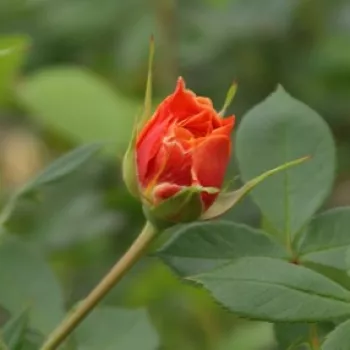
Buds deep orange‑coral with golden sheen; open to vivid mandarin‑orange with golden bases, ageing through salmon and peach-pink to pale peach-pink with creamy margins; ARS code W, RHS 155C outer, 155D inner. |
| Fragrance and aroma |
Fragrance is very weak and barely noticeable, with a light rosy character only detectable at close range; selected primarily for decorative colour effect and bedding performance rather than scent intensity. |
| Hip characteristics |
Heavy petal count reduces hip formation; occasional small, spherical, bright red hips form, 6–10 mm in diameter, providing modest late-season interest without significant self-seeding. |
| Resistance and winter hardiness |
Hardy to about −21 to −18 °C (H7, USDA 6b, Swedish zone 3); tolerates heat with watering in drought; resistant to powdery mildew and black spot, with moderate susceptibility to rust in humid seasons. |
| Horticultural recommendations |
Suitable for beds, edging, low hedges, large containers (40–50 litres) and cutting; medium maintenance with occasional pest and disease checks; plant 35–75 cm apart depending on hedge, bedding or specimen use. |
ELARA – orange bedding floribunda rose – PANdocell offers compact long-season colour, resilient bushy growth and own-root staying power, making it a thoughtful choice for low-fuss Irish gardens.