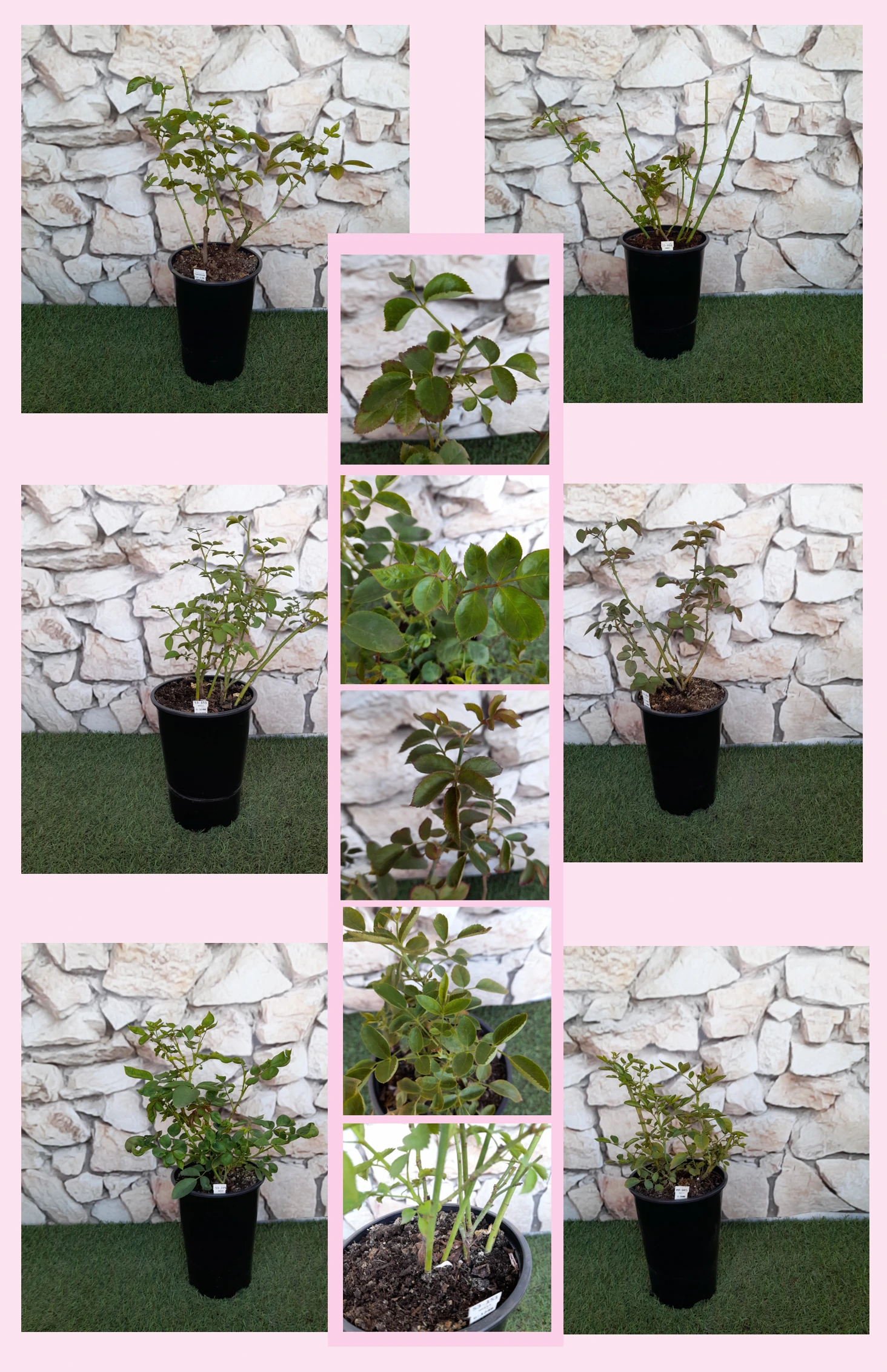
DUNE® – yellow climbing rose – Delbard
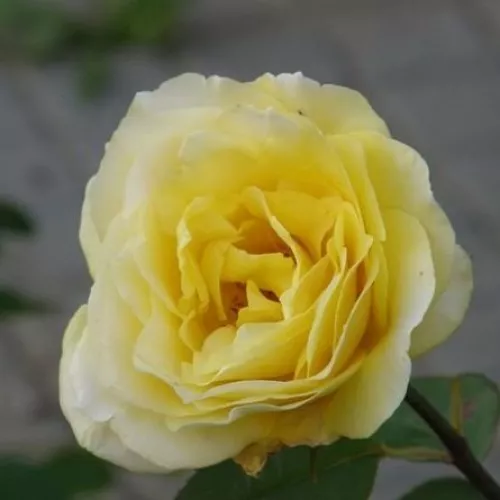
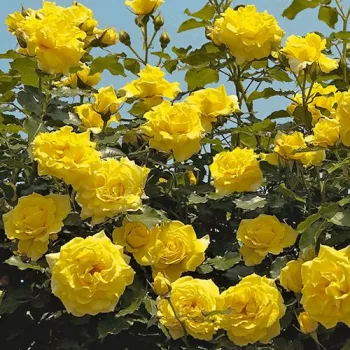
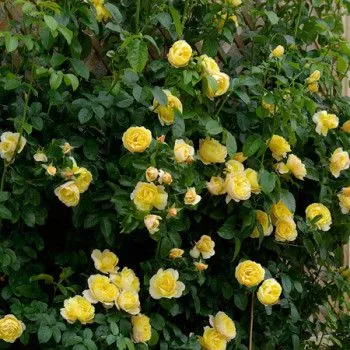
Step out your front door and let DUNE® wrap your terrace or cottage wall in sunlit, lemony fragrance, even when showers drift in from the Atlantic with their humid, breeze‑laden air that can challenge less resilient roses. This elegant French climber offers remontant flowering, so you can enjoy generous flushes of large, semi‑double, cup‑shaped blooms from early summer into autumn, their buttery yellow tones softening gently as the weeks go by. Own‑root plants build up steadily, giving a long‑lived, dependable framework of climbing canes that respond well to light, regular training and simple seasonal care. In Irish cottage gardens and Dublin terrace fronts, DUNE® brings perfumed charm to modest spaces, thriving in full sun or half‑shade, while its medium maintenance needs stay comfortably within reach for beginners and busy homeowners. Planted as a pharmaROSA® ORIGINAL in a 2‑litre pot, it settles in gradually – roots in the first year, stronger shoots in the second, and full ornamental character by the third – for lasting, quietly joyful evenings.
Usage options
| Target area | Reasoning |
|---|
| Pergola or arched walkway in a family back garden |
DUNE®’s strong, climbing growth and repeat flowering create a romantic overhead canopy of yellow blooms that draws the eye without demanding fussy pruning, suiting pergolas where you want reliable cover and seasonal impact for beginners. |
| South‑ or west‑facing house wall or garage wall |
The medium‑height climbing habit and moderate spread suit typical Irish house walls, while its tolerance of regular rain and coastal breezes means it copes well with changeable weather, ideal for low‑maintenance vertical colour for busy gardeners. |
| Dublin terraced‑house front garden trellis |
With large, semi‑double, lemon‑yellow flowers and a fresh scent, this climber turns a simple trellis into a cheerful welcome, yet remains manageable in small spaces when tied in once or twice a year, appealing to style‑conscious urban homeowners. |
| Irish cottage‑garden entrance or porch |
Planted at a doorway or porch post, DUNE® lends a soft, nostalgic cottage feel through its buttery yellow clusters and perfume, while own‑root vigour promises steady improvement over the years, rewarding patient, nature‑loving gardeners. |
| Mixed shrub and rose border backdrop |
Trained on discreet supports at the back of a border, its climbing canes and long flowering season weave vertical interest behind perennials like Knautia or tansy, bringing structure and colour with only moderate upkeep for relaxed hobbyists. |
| Large container with obelisk on a sunny patio |
In a minimum 40–50 litre pot with good drainage, DUNE® can be grown around an obelisk, giving scented height on patios where soil is poor or paved over, an attractive solution for renters and small‑space balcony‑owners. |
| Screening between neighbouring gardens |
Along a fence or light frame, its 2,4–3,6 m height helps soften boundaries without becoming overwhelmingly dense, especially when spaced correctly and lightly tied in, offering a friendly, flowering screen to privacy‑seeking families. |
| Feature rose on a rustic arch with companion planting |
Its warm yellow tones pair beautifully with deep‑purple smoke bush and meadowy perennials, while medium disease resistance still copes well when rainy, mild weather encourages fungal pressure, fitting creative yet time‑pressed planters. |
Styling ideas
- Cottage‑arch – Train DUNE® over a simple metal or timber arch, underplant with foxgloves and daisies for a soft country entrance – ideal for cottage‑style romantics.
- City‑trellis – Use a slim trellis beside a front door; pair with terracotta pots of lavender to echo its lemony perfume – perfect for compact Dublin terraces.
- Golden‑pergola – Let canes run along a seating‑area pergola, mixing with white or pale‑blue climbers for evening glow – suited to families who linger outdoors.
- Warm‑border – Combine DUNE® at the back of a border with smoke bush, tansy and ornamental grasses for layered amber and bronze tones – great for low‑fuss landscapers.
- Patio‑obelisk – Plant in a 50‑litre container with an obelisk, underplant with trailing thyme and violas for a scented patio focal point – appealing to balcony and courtyard gardeners.
Technical cultivar profile
| Parameter | Data |
|---|
| Name and registration |
Climbing hybrid from the Grand Perfumes collection; registered as DELgrim, marketed as Dune® Grand Perfumes DELgrim, approved exhibition name ‘Dune’ for ARS listings and show use. |
| Origin and breeding |
Bred by Georges Delbard in France, introduced and registered in 1993 by Delbard Pépinières et Roseraies; parentage officially unknown, selected for colour and scent. |
| Awards and recognition |
Recipient of three international medals, confirming strong ornamental performance and fragrance appeal, though individual competition details were not recorded in this profile. |
| Growth and structural characteristics |
Vigorous climbing rose reaching about 240–360 cm high with 150–230 cm spread; moderately dense, mid‑green, slightly glossy foliage and moderate prickliness, ideal for training on supports. |
| Flower morphology |
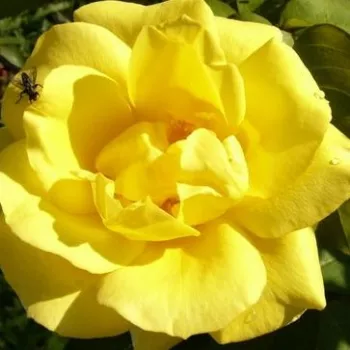
Large, 7–10 cm semi‑double, cup‑shaped blooms borne mostly in clusters; roughly 13–25 petals; remontant habit gives a generous second flush after the main early‑summer display. |
| Colour data and phenology |
Radiant yellow flowers, RHS 14A outer and 13B inner petals; buds golden‑yellow, opening lemon to buttery yellow, gradually lightening to pastel cream as blooms age in strong sunlight. |
| Fragrance and aroma |
Distinct, strong fragrance with a fresh, lemony character that is noticeable around paths and seating areas; particularly effective when several canes are trained overhead or near doorways. |
| Hip characteristics |
Rose hips form only occasionally due to semi‑double flowers; when present they are small, spherical, vivid red and about 10–14 mm across, adding discreet late‑season interest. |
| Resistance and winter hardiness |
Hardy to about −23 to −21 °C (RHS H7, USDA 6a); medium resistance to powdery mildew, black spot and rust, requiring basic monitoring and timely treatment in damp seasons. |
| Horticultural recommendations |
Best on pergolas, arches, walls and trellises; plant in well‑drained soil with regular watering in drought, spacing 170–270 cm depending on use and allowing good air circulation. |
DUNE® rewards patient gardeners with lemony fragrance, long repeat flowering and reliable climbing cover on a durable own‑root framework, making it a thoughtful choice for walls or arches you wish to enjoy for years.