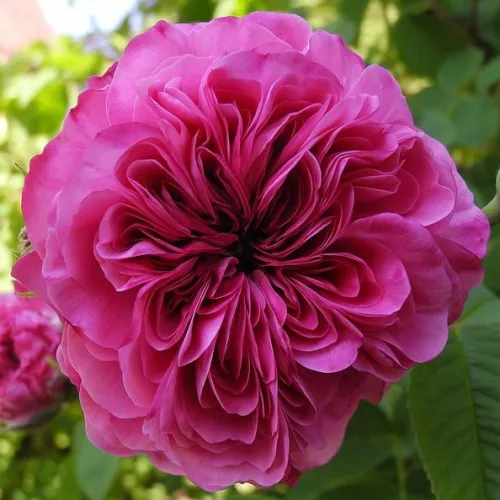
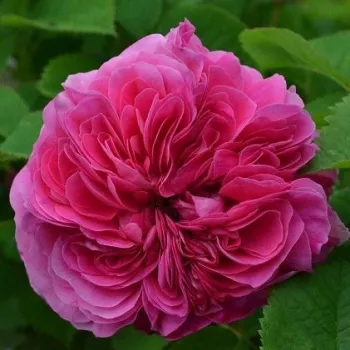
DUC DE CAMBRIDGE – purple historic Damask rose – Laffay
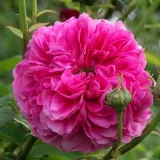
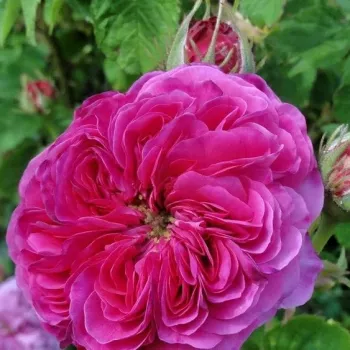
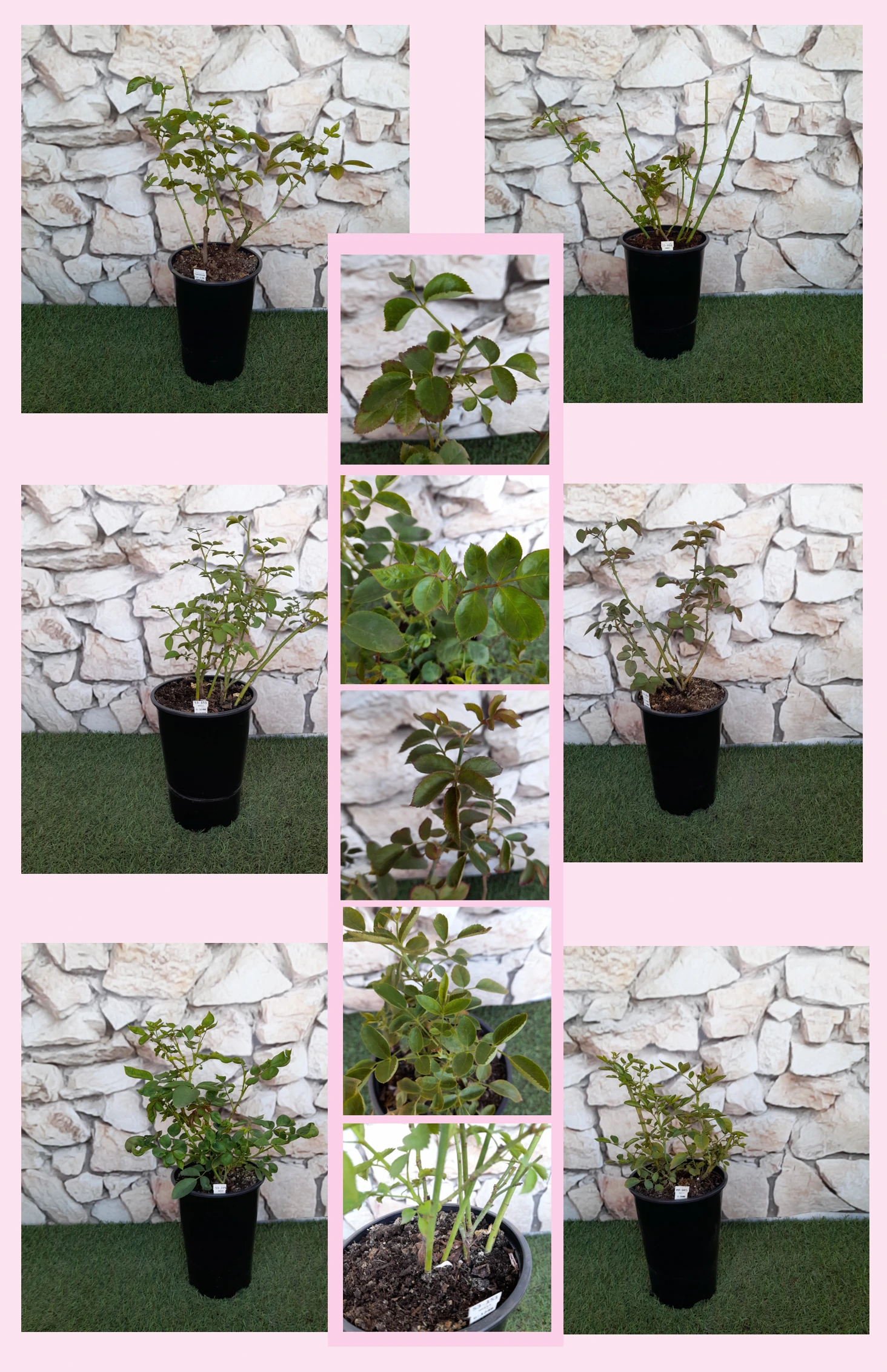
Step out to the soft patter of Irish rain and meet this deeply romantic Damask rose, whose historic character and rich purple-lilac rosettes turn the smallest front garden into a miniature scented walk. DUC DE CAMBRIDGE flowers in a single, generous summer flush, filling the air with fragrant damask perfume that drifts through open windows and along cottage paths. Its tall, bushy habit and dense foliage create an elegant backdrop for softer perennials, while occasional pear-shaped hips add a quiet autumn accent. As an own-root shrub, it settles in steadily and rewards patience with a long, reliable lifespan and the ability to regenerate from the base if ever cut back hard. Simply give it reasonably free-draining soil that copes with our rainfall-soaked, heavier Irish ground and a sunny to lightly shaded spot, and enjoy a rose that matures from first planting to full garden presence over its first few seasons.
Usage options
| Target area |
Reasoning |
| Cottage-style front garden hedge |
The tall, bushy habit and dense, matte olive foliage create a generous, old-fashioned hedge that screens the street while offering a single, spectacular scented show in early summer; medium care suits those happy with a seasonal trim – ideal for the busy urban gardener. |
| Feature shrub in a small lawn or gravel circle |
Planted as a solitary specimen at about 190 cm spacing, this rose grows into a broad, arching shrub with purple-lilac rosettes that draw the eye from every angle, adding structure and sense of permanence to compact family gardens – perfect for the statement-plant seeker. |
| Historic or period-style garden bed |
As a genuine Damask rose introduced in 1840 by Laffay, it brings living history to borders beside old brick, stone and railings, pairing beautifully with silvery foliage and soft grasses for a refined, time-worn look – appealing to the heritage-loving homeowner. |
| Scented seating area near paths and doors |
The very strong, garden-filling damask fragrance is ideal beside a bench, front step or short garden path, where a single early-summer flush can perfume everyday comings and goings, echoing a short stroll under raindrops – perfect for the fragrance enthusiast. |
| Mixed shrub and perennial border |
Its once-flowering nature is balanced by good height and spread, providing a solid green framework after bloom; combine with long-flowering perennials and ornamental grasses to keep interest going once the main display has passed – suited to the practical border planner. |
| Lightly shaded side garden or north–east aspect |
This cultivar tolerates partial shade, so it copes well where sun reaches only part of the day, helping you use awkward strips beside houses or sheds while still enjoying a rich, early-summer display – reassuring for the problem-corner owner. |
| Naturalistic hedge with autumn interest |
Moderate self-cleaning means many petals drop on their own while some flowers set occasional pear-shaped, red–orange hips that add subtle seasonal colour, especially when underplanted with grasses – attractive to the seasonal-interest gardener. |
| Large container by a cottage-style entrance |
In a substantial 40–50 litre planter with good drainage that stands up to our frequent wet spells and heavier soils, this own-root shrub establishes steadily and offers reliable early-summer colour for several years – reassuring for the low-fuss container gardener. |
Styling ideas
- COTTAGE-HEDGE ROMANCE – Line a low picket fence with DUC DE CAMBRIDGE and weave in blue sedge and rock cress for a lilac-and-blue June curtain – for lovers of soft cottage edges.
- FRAGRANT-FOCAL SHRUB – Place one shrub on a small lawn island, ringed with low catmint and thyme, so the powerful damask scent greets every garden walk – for fragrance-first gardeners.
- PERIOD-FRONT BORDER – Combine with brick paths, oriental mugwort and white foxgloves to echo Victorian Dublin terraces, keeping the mood gentle yet structured – for fans of historic character.
- NATURALISTIC SCREEN – Plant as a loose hedge with ornamental grasses and meadow-style perennials so summer bloom and autumn hips blend into a wilder edge – for nature-leaning families.
- GRAND-CONTAINER WELCOME – Grow in a 50 litre tub by a cottage door, underplanted with trailing lobelia and ivy to enjoy stately blooms and scent without losing patio space – for compact-plot owners.
Technical cultivar profile
| Parameter |
Data |
| Name and registration |
Duc de Cambridge, historic Damask shrub rose; trade and ARS exhibition name identical. Unregistered cultivar with no separate code name, belonging to the historic “Rós stairiúil” commercial group. |
| Origin and breeding |
Bred by Jean Laffay in France and introduced around 1840; precise parentage is unknown. Represents classic Damask breeding of the period, preserved mainly through specialist historic rose collections. |
| Growth and structural characteristics |
Tall, bushy shrub 200–300 cm high with 140–220 cm spread, densely thorned canes and olive-green, matte foliage. Forms a full, screening presence suited to hedging or as a free-standing specimen. |
| Flower morphology |
Medium-sized, 4–7 cm very full rosette blooms with 40+ petals, borne mainly solitary. Once-flowering, giving a concentrated early-summer display rather than repeat flushes through the season. |
| Colour data and phenology |
Deep, cool crimson-lilac base, darker in cool weather, fading to lilac-pink and mauve-lilac with a silvery sheen. Colour lightens slightly in strong sun, with a partially visible yellow-green staminal ring. |
| Fragrance and aroma |
Very strong, garden-filling classic Damask scent, ideal for scented gardens and seating areas. Aroma is rich and traditional rather than fruity, especially noticeable during warm, still summer periods. |
| Hip characteristics |
Occasional pear-shaped red–orange hips, around 16–24 mm in diameter, following some spent blooms. Not heavily borne but can give an attractive, discreet autumn accent among the shrub’s foliage. |
| Resistance and winter hardiness |
Hardy to approximately −32 to −29 °C (USDA 4b, RHS H7, Swedish zone 5). Disease resistance moderate to black spot, mildew and rust; may require occasional protection, especially in humid seasons. |
| Horticultural recommendations |
Best in reasonably fertile, well-drained soil with sun or light shade. Space 105–120 cm in hedges or groups, wider as a specimen. Maintenance medium; prune for shape and remove oldest canes periodically. |
DUC DE CAMBRIDGE offers a tall, romantic historic presence, powerful Damask fragrance and steady own-root growth that suits Irish family gardens; consider it if you value characterful, long-lived roses with a single glorious summer display.