DU CHÂTELET – pink nostalgic rose – Sauvageot
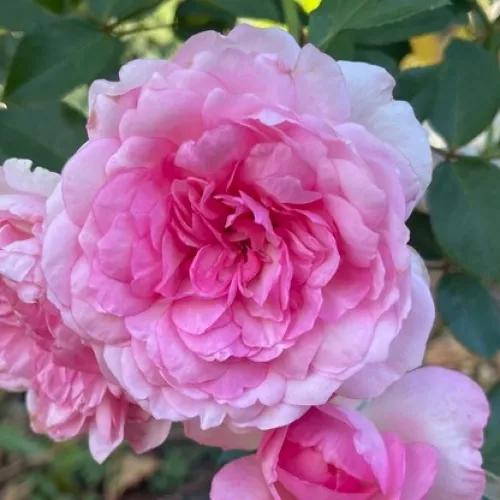
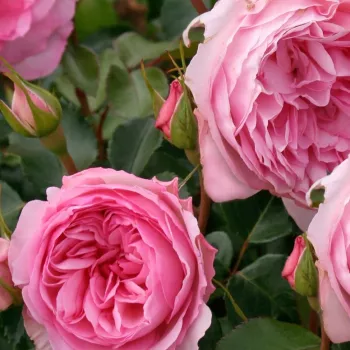
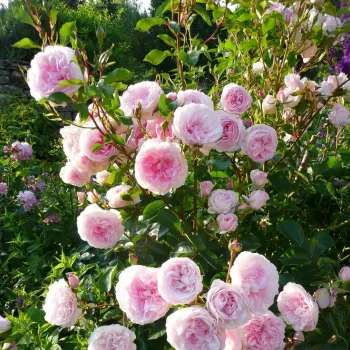
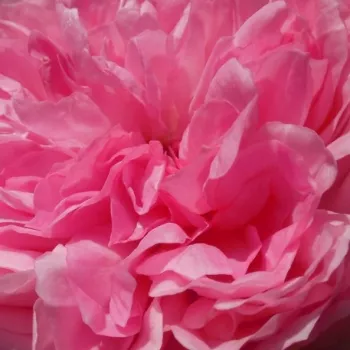
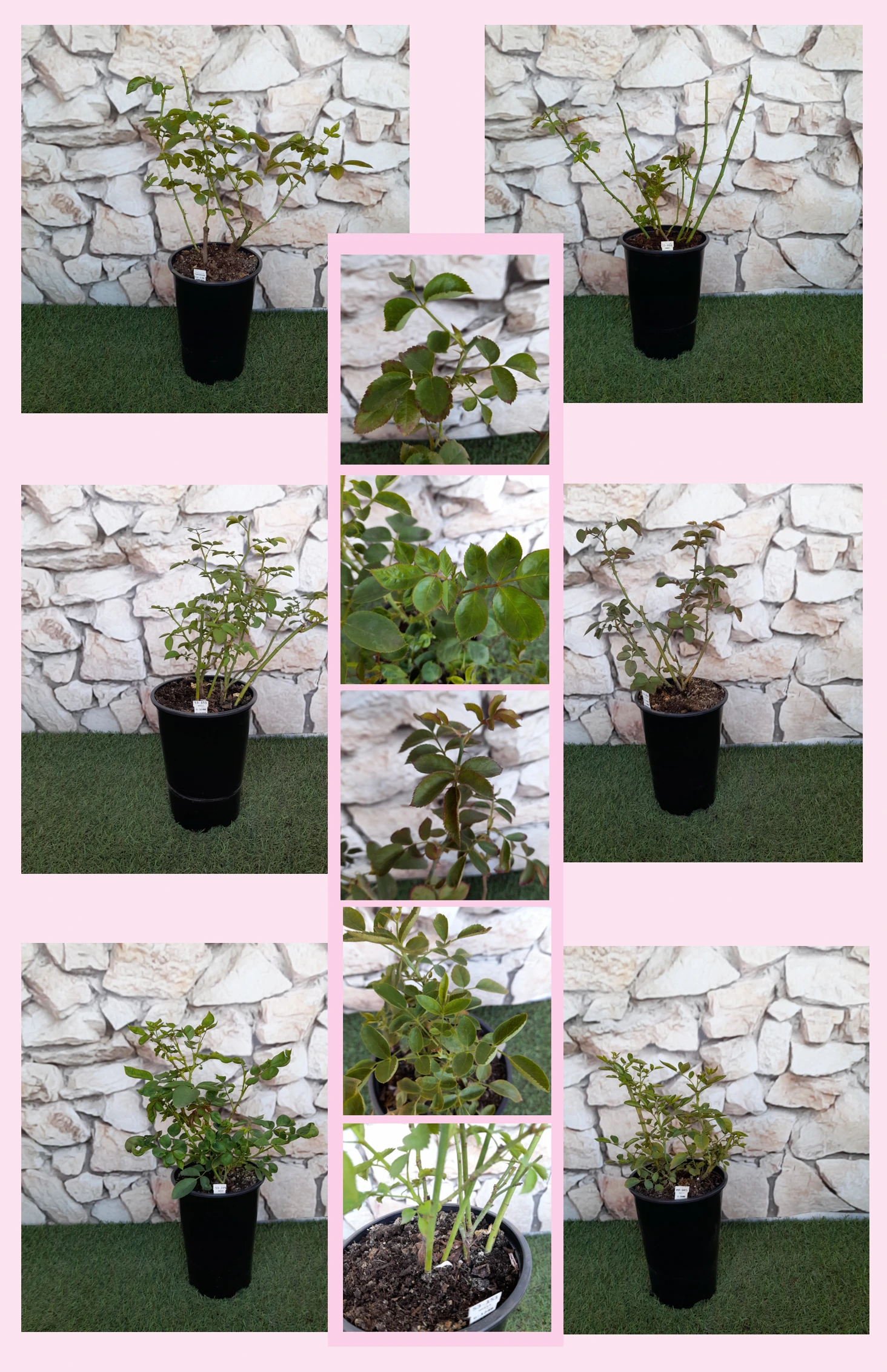
Step outside for a moment of soft pastel charm with DU CHÂTELET, a nostalgic Romantica shrub rose that feels perfectly at home in an Irish cottage border or a small Dublin front garden, easily coping with cool summers and frequent showers. Its bushy, dark green foliage frames large, very double, powder-pink blooms that gradually fade to an almost white blush, creating a dreamy, “girly” look from late spring into autumn. Mild, light fragrance adds a gentle note without overpowering a compact space, while its own-root constitution offers reassuring longevity and the ability to recover well after harsh weather or pruning, naturally building from roots in year one, stronger shoots in year two, to full ornamental impact by year three.
Usage options
| Target area |
Reasoning |
| Cottage-style flowerbed near the house |
Ideal for a low-maintenance cottage border, this bushy shrub repeats its large, pastel-pink clusters from early summer right through to autumn, so there is always something pretty to see from the kitchen window for the relaxed home gardener. |
| Front garden focal point |
Planted as a single specimen at about 75 cm from other shrubs, its globular blooms and dark foliage give a graceful, nostalgic focal point with tidy proportions that suit typical Irish front gardens, appealing to design-conscious city homeowners. |
| Informal low hedge along a path |
Set at 40–50 cm intervals, the bushy, 80–120 cm growth creates a soft, romantic edging; the repeat flushes help frame a path with colour for months, attractive for families who like structure without formal box hedging. |
| Mixed perennial border with classic companions |
Combines beautifully with phlox, irises and small conifers, its gentle pinks weaving through perennials to give a long, nostalgic display, suiting gardeners who enjoy simple, traditional planting rather than complex modern schemes. |
| Small lawn island or corner feature |
Its compact spread and bushy habit mean mowing and maintenance stay straightforward, while pastel blooms soften hard lines of fences or sheds, reassuring busy households who want beauty without creating extra garden work. |
| Sunny, sheltered city garden bed |
Performs reliably in open, sunny beds, handling regular Irish rain and mild coastal breezes provided drainage is reasonable, a good fit for urban gardeners seeking a dependable rose rather than a high-maintenance showpiece. |
| Large container on patio or terrace |
In a 40–50 litre pot with good drainage and mulch, this own-root shrub builds up steadily over several seasons, offering a long-lived display that can be moved or rearranged, perfect for renters and balcony or courtyard rose lovers. |
| Long-term family garden planting |
Own-root growth gives steady resilience and the ability to regenerate from the base after tougher winters or pruning, making it a reassuring, long-term feature for families who want reliable roses without specialist gardening knowledge. |
Styling ideas
- Cottage-Ribbon – line a front-garden path with DU CHÂTELET and white campanulas for a soft, storybook feel – ideal for homeowners wanting easy romance from the gate to the door
- Pastel-Blend – mix with lavender and pale pink phlox in a sunny border for months of coordinated bloom – suited to beginners who like harmonious, low-fuss planting
- Terrace-Jewel – place one rose in a 50 litre clay pot with trailing thyme for a compact, fragrant patio centrepiece – perfect for busy urban gardeners with limited space
- Romantic-Hedge – create a low hedge at 40 cm spacing, underplanted with catmint, to soften driveways or boundaries – great for families wanting gentle screening without heavy clipping
- Lawn-Island – set a trio in a small island bed with dwarf pines for year-round structure and summer roses – attractive for those seeking impact in an otherwise plain lawn
Technical cultivar profile
| Characteristic |
Data |
| Name and registration |
Trade name DU CHÂTELET (NIRPESPACE, SAUban), Romantica shrub and nostalgia rose; exhibition floribunda category; also known in shows as Roseraie du Chatelet. |
| Origin and breeding |
Bred by Bernard Sauvageot in France, around 1999; parentage unknown; introduced commercially by NIRP International in 2000 and registered in 1999 in SAU. |
| Awards and recognition |
Highly decorated exhibition rose: Baden-Baden Silver Medal and City of Zweibrücken Award, Rome Silver Medal, Saverne Certificate of Merit, Buenos Aires Copa de Damas and Bronze Medal. |
| Growth and structural characteristics |
Bushy shrub, typically 80–120 cm high with 55–90 cm spread; dense, slightly glossy dark green foliage; moderately thorny stems provide a sturdy, upright to gently arching framework. |
| Flower morphology |
Large 7–10 cm blooms, very double with over 40 petals; globular to pompon, cluster-flowering; remontant habit with an abundant second flush, offering generous flower trusses in season. |
| Colour data and phenology |
Delicate pastel pink with carmine-pink nuances; buds silky light pink, opening powder-pink, then fading to near whitish pink; RHS 65C outer, 65D inner; moderate colour retention in full sun. |
| Fragrance and aroma |
Light, restrained scent with a gentle, romantic character; pleasantly noticeable at close range without overpowering small patios or entrances, making it suitable for everyday family garden settings. |
| Hip characteristics |
Rose hips are scarce due to heavy petalling; when formed they are spherical, around 9–15 mm, orange-red and decorative, though usually a minor visual feature on this cultivar. |
| Resistance and winter hardiness |
Hardy to about -21 to -18 °C (USDA 6b, RHS H7); moderate performance in heat and drought, needing water in dry spells; medium resistance to black spot, mildew and rust in typical Irish conditions. |
| Horticultural recommendations |
Best in sunny sites with well-drained, improved clay soil; medium maintenance, occasional disease checks; spacing 40–75 cm depending on use, with 4.2–4.8 plants/m² for mass planting. |
DU CHÂTELET offers long-season pastel blooms, a compact, bushy habit and reassuring own-root durability, making it a thoughtful choice for those planning a romantic yet uncomplicated family garden.