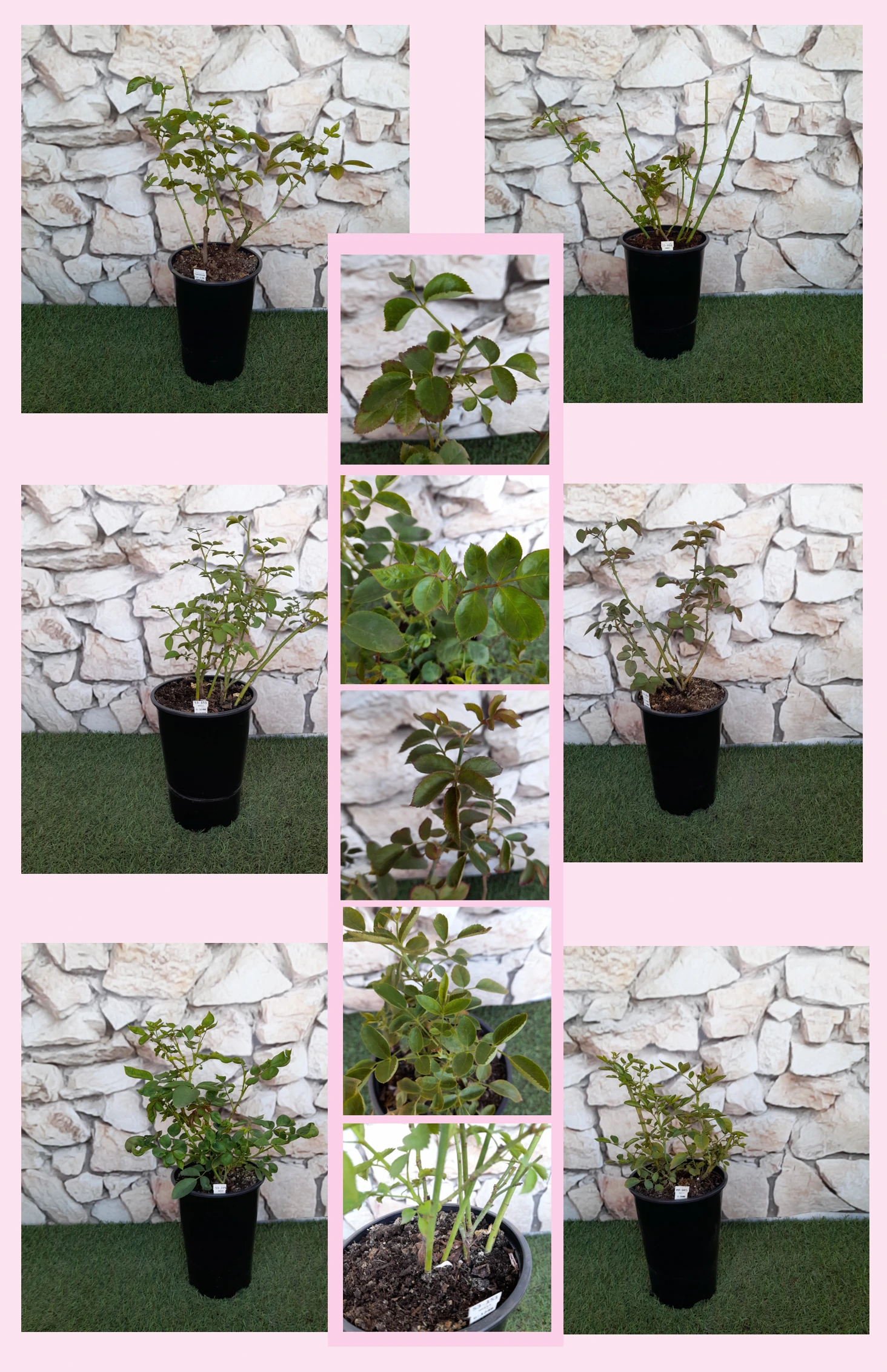
KEW RAMBLER – pink climbing rambler rose
Imagine a soft June drizzle while walking beneath long, flower-laden canes of KEW RAMBLER, its clouds of single pink blooms creating a hazy, romantic tunnel of light above you. This easy-going rambler takes Atlantic breezes and regular Irish rain in its stride, thriving where other plants sulk, and rewarding even light-touch care with a spectacular, once-a-year display. After flowering, masses of small orange hips glow through autumn, adding wildlife charm and winter structure for birds and children to discover. Its open flowers are a magnet for bees and butterflies, bringing gentle movement and life to cottage-style borders and Dublin front gardens. Planted on its own roots, it settles in steadily, with roots in year one, longer flowering shoots in year two and full garden presence by year three, ready to drape an arch, fence or old tree with minimal effort from you yet long-lasting, dependable beauty for decades.
Usage options
| Target area |
Reasoning |
| Cottage-garden pergola beside a seating area |
Once established, KEW RAMBLER cloaks a pergola in a single, breathtaking flush of soft pink, creating a seasonal “flower ceiling” without ongoing pruning fuss; its self-cleaning blooms drop neatly, keeping benches and paving low‑maintenance for relaxed beginners |
| Wildlife-friendly boundary fence or hedge |
Abundant summer flowers draw bees and butterflies, while the masses of small orange hips feed birds well into winter, turning a functional boundary into a vibrant wildlife corridor that rewards patient, nature‑minded homeowners |
| Training into a mature tree in a larger garden |
The long, flexible rambling canes can be gently guided into the lower branches of a sturdy tree, where they weave through the canopy and drop curtains of blossom with minimal tying, suiting creatively inclined but time-poor gardeners |
| Dublin terraced-house front garden arch |
In a compact front garden, KEW RAMBLER can be trained over a simple metal arch to frame the entrance, handling breezy, showery city conditions with ease so you enjoy romantic impact from a single planting decision, ideal for busy urban residents |
| Low-intervention park or large family garden corner |
This rambler’s strong disease resistance and low maintenance needs make it well suited to more extensive spaces, where it can be allowed to roam with only occasional shaping, providing long-term structure for sustainably minded planners |
| Partially shaded side path or north–east aspect |
Because it tolerates partial shade, KEW RAMBLER brings flowers and light to those trickier, cooler boundaries that rarely dry out, turning a forgotten side path into a softly screened, scented walkway valued by practical, space‑maximising owners |
| Family play area backdrop with seasonal “wow” factor |
Its single, medium-scented flowers appear in huge clusters once per year, creating a short but unforgettable highlight that marks early summer in the family calendar, while the thorns encourage respectful exploration from curious children |
| Pollinator strip with herb and perennial companions |
Planted with lavender, catmint or oriental poppies, KEW RAMBLER’s open, nectar-rich flowers support bees and butterflies from height, complementing lower foraging layers and suiting environmentally aware, pollinator‑conscious buyers |
Styling ideas
- Storybook-arch – Train KEW RAMBLER over a simple metal arch, underplant with lavender and catmint, and let the once‑a‑year pink curtain set a romantic tone – ideal for small front‑garden romantics
- Tree-draped – Guide a few strong canes into the limbs of an existing tree to create a flowering canopy with glowing hips beneath – perfect for established-garden owners
- Wildlife-lane – Run it along a back fence, mixing in native shrubs so bees, butterflies and birds all find food and shelter – suited to nature-first families
- Pastel-pergola – Cover a wooden pergola above a patio, pairing it with oriental poppies and cottage perennials for a short, spectacular June focus – great for leisurely entertainers
- Shady-screen – Use it on a north–east boundary to soften views and brighten a dim side passage, combining with shade-tolerant groundcovers – helpful for overlooked-plot owners
Technical cultivar profile
| Parameter |
Data |
| Name and registration |
KEW RAMBLER – pink climbing rambler rose from the Rós dreapadó collection, exhibition rambling rose type for pergolas and structures; unregistered cultivar with long-standing garden use and stable characteristics. |
| Origin and breeding |
Bred at the Royal Botanic Gardens, Kew, from Rosa soulieana × ‘Hiawatha’; breeding work around 1912, introduced 1913, reflecting early twentieth-century rambler selections valued for vigour, charm and informal garden use. |
| Growth and structural characteristics |
Strong, rambling climber reaching about 500–750 cm high and 300–500 cm wide, with moderately dense grey‑green foliage and moderate prickliness; best on supports, fences, arches or into trees where its flexible canes can be safely trained. |
| Flower morphology |
Single, flat flowers with 5–12 petals, small size of 1–4 cm, borne in large, showy clusters; not remontant, giving one impressive main flowering period each year, after which hips develop and add prolonged visual interest. |
| Colour data and phenology |
Buds open deep pink, then pastel pink, fading towards creamy white with pale pink rims; colour retention is modest, creating a soft, multi-tonal effect as clusters age, recorded near RHS 65C and 155D within the pink colour range. |
| Fragrance and aroma |
Medium-strength scent that is clearly noticeable at close range, with a delicate muscat-like character that adds a light, refreshing note rather than heaviness; fragrance is most appreciable in calm, mild weather conditions. |
| Hip characteristics |
After flowering, produces abundant spherical hips about 7–10 mm in diameter, ripening to a warm orange; these are visually attractive in autumn and winter and provide a natural food source for birds in wildlife-friendly plantings. |
| Resistance and winter hardiness |
Rated resistant to powdery mildew, black spot and rust under normal garden conditions; winter hardy to around −23 to −21 °C (RHS H7, USDA 6a, Swedish zone 3), suitable for most Irish garden climates with routine watering in drought. |
| Horticultural recommendations |
Plant in well-drained but moisture-retentive soil with support; spacing 230–440 cm depending on use. Suitable for partial shade and large containers of at least 40–50 litres; prune lightly, mainly to guide growth and remove old or congested canes. |
KEW RAMBLER offers a once-a-year cascade of pastel pink blossom, richly visited by pollinators and followed by bird-friendly hips, on a durable own-root framework that rewards patient gardeners who choose long-term structure and gentle spectacle.