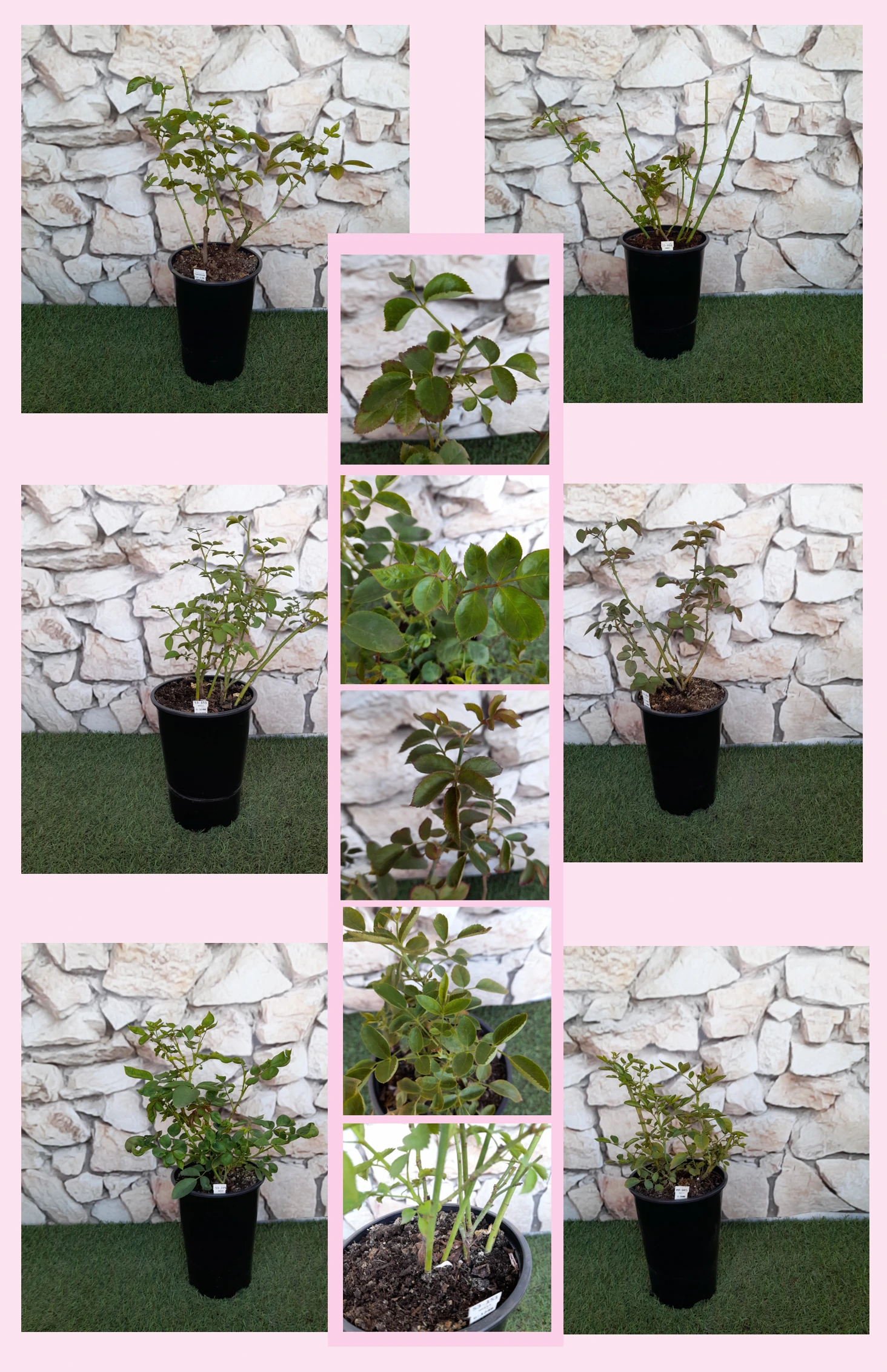
DORIS TYSTERMAN – orange hybrid tea rose
Step outside for a few minutes of quiet contentment with DORIS TYSTERMAN, a luminous orange hybrid tea that fits beautifully into Irish cottage borders and small city front gardens. Its high‑centred blooms are generously repeat flowering, so You can enjoy elegant, long‑stemmed roses for the vase from early summer well into autumn, even when summers feel short and soft light lingers. Semi‑double flowers with accessible stamens make it gently pollinator friendly, welcoming bees while still looking like a classic exhibition rose. On its own roots it builds long‑lasting stability, quietly renewing itself from below ground if winter or weather ever knock it back, so the shrub keeps its shape and flowering performance for many years. In damp, changeable Irish weather it appreciates decent drainage so the roots never sit in waterlogged clay, rewarding You with glossy bronze‑green foliage and clear, glowing colour. Medium maintenance simply means an easy rhythm of deadheading, feeding and an occasional health check, ideal for beginners who still want a touch of refined elegance near the front door.
Usage options
| Target area |
Reasoning |
| Front‑garden feature rose |
The upright habit, 85–115 cm height and 70–95 cm spread create a clear focal point without overwhelming a small Irish front garden. High‑centred, radiant orange blooms give classic hybrid tea structure near steps or a gate, suiting those who like tidy form but simple care routines, especially beginners. |
| Cut‑flower row in a family garden |
Large, 7–10 cm exhibition‑type blooms on long stems make this variety excellent for cutting, with a delicately sweet, mild scent that suits indoor vases. Regular cutting encourages further flowering, so a short “cutting row” can supply the house all season with very little extra work for busy homeowners. |
| Season‑long colour in mixed borders |
Reliable repeat flowering with a strong second flush means borders do not look bare after the first show. The warm orange tones blend beautifully with perennials such as Gaillardia and Coreopsis, giving moving colour from early summer through autumn for colour‑loving gardeners. |
| Cottage‑style pairing with pollinator plants |
The semi‑double, partially open blooms offer accessible stamens, adding another nectar source alongside bee‑friendly perennials. This softens the look of more formal hybrid teas and adds life and movement to small spaces, especially valued by nature‑oriented buyers. |
| Own‑root hedge or low boundary line |
Planted 50–60 cm apart, plants gradually knit into a low, glowing orange hedge. On its own roots the rose regrows reliably from the base if individual stems age or are damaged, supporting a long‑lived line that responds well to renewal pruning for practical gardeners. |
| Long‑term, low‑fuss specimen shrub |
Once planted with good drainage and a mulch layer, this medium‑maintenance rose settles into a simple yearly rhythm of feeding, light pruning and some deadheading. Own‑root growth means the plant strengthens year by year, giving a dependable feature for time‑pressed families. |
| Container rose for patio or balcony |
In a 40–50 litre container with free‑draining compost, the upright habit and dense, glossy foliage give strong visual impact on patios or small terraces. A large pot buffers roots against weather swings and simplifies care, ideal where ground space is limited for urban dwellers. |
| Weather‑resilient rose for Irish conditions |
Medium disease resistance copes steadily with humid, showery spells if air circulation and drainage are good, supporting reliable flowering through cool summers when the orange colour stays especially vivid in softer light, reassuring less confident hobby‑gardeners. |
Styling ideas
- Cottage‑border glow – Thread DORIS TYSTERMAN through a loose cottage border with Coreopsis and Gaillardia to echo its warm orange hues – ideal for romantic, colour‑driven cottage‑garden enthusiasts.
- Elegant front door – Plant one rose each side of a path, underplanted with low lavender or catmint, to frame your entrance with tidy structure and soft scent – suited to homeowners wanting simple formality.
- Family cutting strip – Dedicate a sunny, narrow bed to several plants in a row so children can pick stems for the table all summer – perfect for families who enjoy home‑grown bouquets.
- Bronze‑green backdrop – Use its dense, glossy foliage as a backdrop for airy grasses and lime‑toned Euphorbia ‘Fens Ruby’ – great for design‑minded gardeners seeking contrast in texture and light.
- Pot‑on‑patio focus – Position a single rose in a generous 50 litre terracotta pot near seating, where repeat blooms and neat habit can be admired up close – best for apartment or townhouse patios.
Technical cultivar profile
| Characteristic |
Data |
| Name and registration |
Hybrid tea rose, registered as ‘Doris Tysterman’, also traded as Doris Tysterman Hybrid tea rose Doris Tysterman; ARS approved exhibition name Doris Tysterman for show purposes. |
| Origin and breeding |
Hybrid Tea bred by Willem E. Tysterman in the United Kingdom from ‘Peer Gynt’ × unknown seedling; introduced and registered in 1975, with no confirmed commercial breeder data. |
| Growth and structural characteristics |
Upright hybrid tea shrub, typically 85–115 cm high and 70–95 cm wide, with dense, moderately thorny shoots and glossy bronze‑green foliage providing a full, well‑clothed framework. |
| Flower morphology |
Semi‑double, high‑centred, pointed‑budded blooms in classic exhibition form; generally borne singly on stems, with 13–25 petals, large 7–10 cm flowers and good repeat‑flowering behaviour through the season. |
| Colour data and phenology |
Bright orange flowers, ARS code OB, RHS 28A outer and 28B inner; buds deep coppery orange with bronze sheen, opening to radiant orange with copper edging, softening to flame‑orange with a golden‑tinted centre as blooms mature. |
| Fragrance and aroma |
Delicately sweet, mild fragrance typical of lighter‑scented hybrid teas; not overpowering indoors, making it suitable for cut‑flower use where a subtle background perfume is preferred rather than a dominant scent. |
| Hip characteristics |
Produces moderate numbers of ovoid rose hips, around 10–14 mm in diameter, colouring orange‑red by autumn and adding a light seasonal accent if some spent flowers are left uncut later in the year. |
| Resistance and winter hardiness |
Hardy to around −26 to −23 °C (RHS H7, Swedish Zone 4, USDA 5b); medium resistance to black spot, powdery mildew and rust, benefitting from good air flow, regular watering and basic preventive care. |
| Horticultural recommendations |
Best in full sun with fertile, well‑drained soil; medium maintenance with some deadheading and occasional pest or disease control; spacing 50–100 cm depending on hedge or specimen use, at 2.8–3.2 plants per m² for mass planting. |
DORIS TYSTERMAN rewards You with season‑long orange blooms, graceful cutting stems and gentle pollinator interest, and as an own‑root rose it builds lasting strength in your garden, making it a thoughtful choice for your next planting.