DOPEY – red bedding polyantha rose – de Ruiter
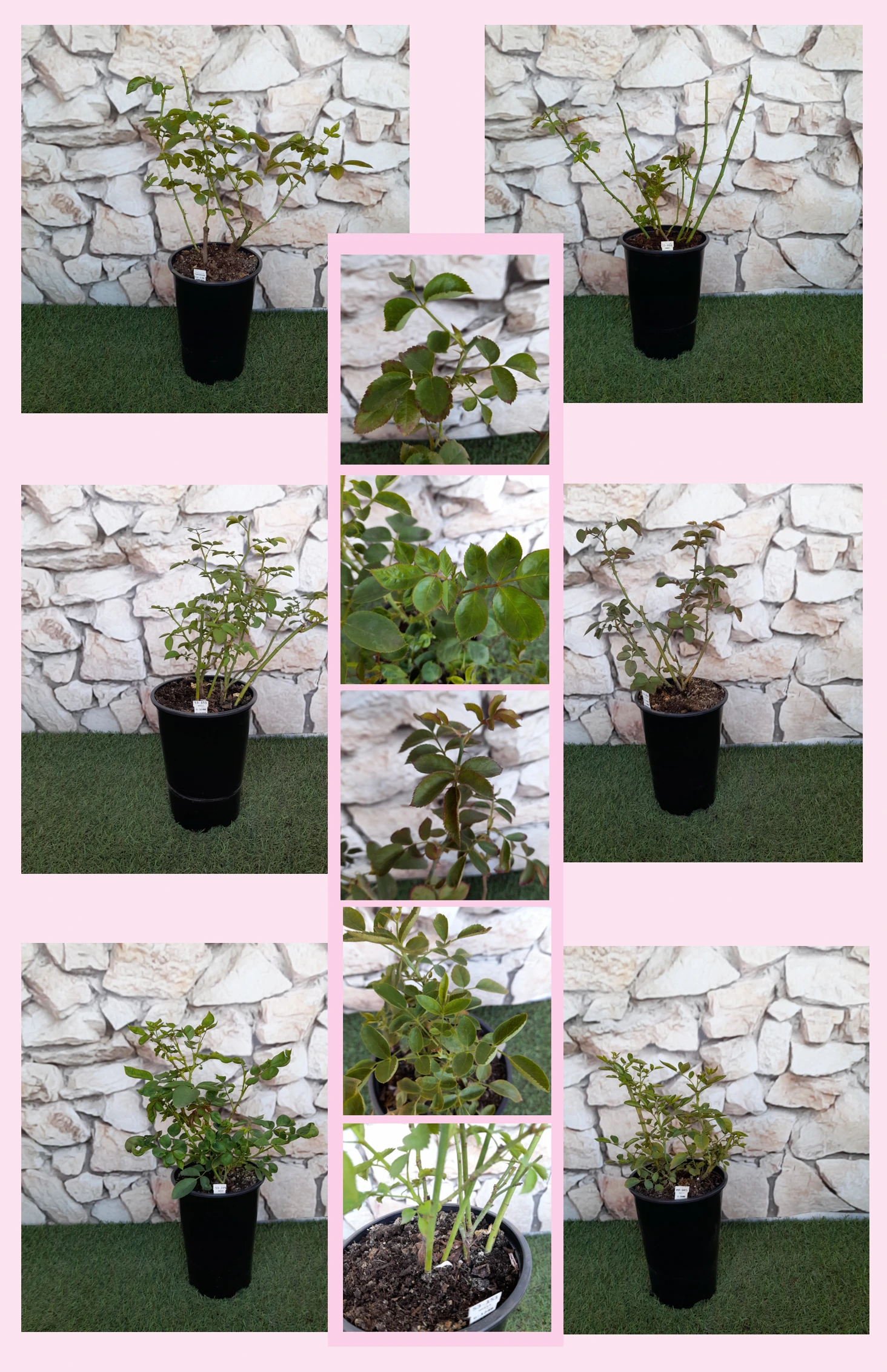
Step outside on a soft Irish afternoon and let the compact mounds of ‘Dopey’ bring cheerful colour to your cottage-style beds and city front gardens, even when showers pass and air feels freshly washed by rainfall. This tidy polyantha slips quietly into heavy soil as long as drainage is improved, then responds with generous clusters of flowers from early summer well into autumn. Its naturally compact habit makes planning easy in smaller gardens, while the own-root form builds a calm, long-lived structure beneath the surface, so the plant can regenerate and hold its shape over many years with little fuss. Over time, you will see a gentle arc of development – first it invests in roots, then stronger shoots, and by the third season it settles into full ornamental rhythm.
Usage options
| Target area | Reasoning |
|---|
| Front-of-border bedding strip |
Low, compact growth and dense, glossy foliage make ‘Dopey’ ideal for the front of mixed borders where you want neat lines and reliable colour without constant clipping; perfect for a tidy, time-poor beginner. |
| Cottage-style flower bed |
The continuous clusters of small, ruby to raspberry-red blooms weave easily among hardy perennials, echoing traditional cottage planting while staying manageable in size; well suited to a relaxed, nature-minded homeowner. |
| Dublin terraced-house front garden |
Its modest footprint and repeat flowering bring character to small urban plots, thriving in improved clay with reasonable drainage despite frequent soft Atlantic showers and brisk breezes; ideal for the busy urban gardener. |
| Low flowering hedge |
At 30–45 cm high with dense branching, ‘Dopey’ forms a low, colourful edging along paths or drives when planted at hedge spacing, offering structure without feeling heavy; a good choice for family-garden owners. |
| Mass planting in beds and community areas |
Regular, repeat flowering and a compact, uniform shape make this rose excellent for group plantings where you want a consistent look and minimal intervention, suiting shared spaces maintained by volunteer groups. |
| Large containers and patio pots |
Grows happily in a 40–50 litre pot with decent drainage and mulch, where its tidy habit and moderate maintenance needs provide long-season colour on balconies and patios, particularly attractive for smaller-space residents. |
| Partially shaded spots |
‘Dopey’ tolerates partial shade, still producing clusters of red flowers where full sun is limited, such as east-facing walls or between taller shrubs, supporting creative layouts for light-challenged gardeners. |
| Family garden play-area edges |
The low, lightly thorned, compact bushes mark boundaries without becoming overpowering, providing gentle colour close to lawns and play areas while remaining reasonably easy to manage for safety-conscious parents. |
Styling ideas
- Cottage-Ribbon – weave ‘Dopey’ in a wavy line through a bed with Campanula glomerata and Lychnis viscaria ‘Alba’ to create a low, storybook border – for lovers of informal, romantic gardens.
- Urban-Trim – use ‘Dopey’ in a single neat row inside a low brick wall, keeping it clipped only lightly so the compact habit does the work – for city-front gardeners wanting order with charm.
- Pollinator-Edge – pair ‘Dopey’ with Verbena hastata ‘Pink Spires’ so taller nectar plants rise behind the red clusters, giving movement and wildlife interest – for nature-focused family gardens.
- Patio-Jewel – plant one or three ‘Dopey’ roses in a 50 litre terracotta pot with a simple underplanting of gravel or thyme, letting the flowers be the main focus – for balcony and terrace owners.
- Colour-Carpet – create a block of ‘Dopey’ in a sunny or lightly shaded bed, repeating the rose alone for a simple, modern sweep of red – for beginners who prefer easy, low-decision planting.
Technical cultivar profile
| Characteristic | Data |
|---|
| Name and registration |
Polyantha bedding rose ‘Dopey’, registered cultivar name Dopey, ARS exhibition name Dopey; part of the Bedding rose collection and Rósra bhláthchlóis commercial group. |
| Origin and breeding |
Bred by Gerrit de Ruiter, De Ruiter Innovations B.V., Netherlands, from ‘Robin Hood’ × unknown seedling, introduced in 1954 through distributors in Germany and the United Kingdom. |
| Growth and structural characteristics |
Compact, bushy polyantha shrub, typically 30–45 cm high and 30–50 cm wide, with dense branching, glossy dark green foliage and light prickling, suitable for bedding, edging and container use. |
| Flower morphology |
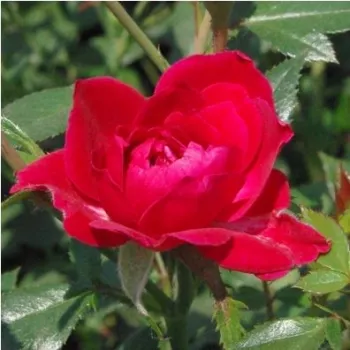
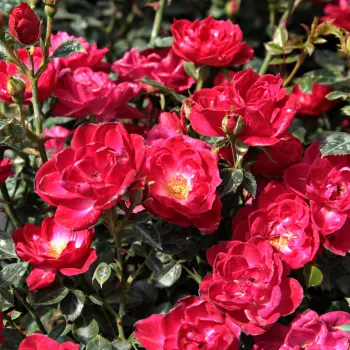
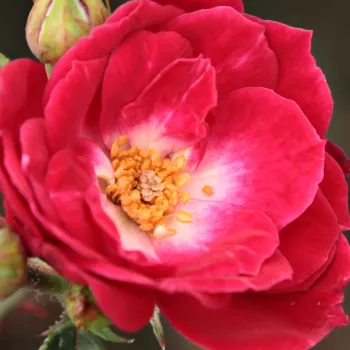
Semi-double cup-shaped blooms, 13–25 petals, small 1–4 cm diameter, borne in generous clusters, with strong remontant habit giving abundant second flush and further repeats in suitable conditions. |
| Colour data and phenology |
Medium red flowers, ARS code MR, RHS 46B–46A; buds dark ruby to burgundy, opening vivid scarlet, fading evenly through mid-red to raspberry red, with slightly glossy petal surfaces at full bloom. |
| Fragrance and aroma |
Fragrance is classic rose-like in character but very weak, generally only noticeable at close range, so the variety is chosen more for colour effect and structure than for strong scent displays. |
| Hip characteristics |
Moderately abundant small hips, 5–8 mm in diameter, spherical and red, adding discreet seasonal interest after flowering where spent blooms are not removed for display or grooming purposes. |
| Resistance and winter hardiness |
Hardy to around −21 to −18 °C (RHS H7, Swedish zone 3, USDA 6b); moderate resistance to black spot, powdery mildew and rust, with best performance under regular watering and basic care. |
| Horticultural recommendations |
Use in beds, borders, low hedges, parks and large containers; plant 25–45 cm apart, approximately 6.3–7.2 plants/m², in well-drained soil with occasional pest and disease checks in humid summers. |
DOPEY offers compact, long-season red flowering, versatile use in beds or containers, and the dependable regrowth of an own-root rose, making it a thoughtful choice for low-fuss Irish gardens.