DOMAINE DITTIÈRE – crimson-red hybrid tea rose - Dittière
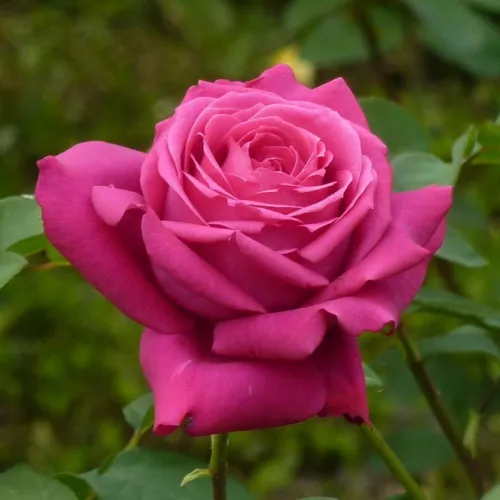
If you dream of a front garden filled with velvety crimson blooms yet have little time for demanding plants, DOMAINE DITTIÈRE brings effortless romance to an Irish setting. This hybrid tea forms a neat, upright structure, ideal for cottage-style paths or a single showpiece by the gate, even where breezes off the Atlantic bring extra rainfall and mild summers. Each high‑centred flower is generously petalled for true hybrid tea elegance, while the strong, classic damask scent adds a daily moment of indulgence as you step outside with your morning tea. Bushes on their own roots settle steadily, building a long‑lived, reliable framework that moves from quiet establishment to full, showy performance over the first three years, so you can simply plant, relax and enjoy the unfolding spectacle.
Usage options
| Target area | Reasoning |
|---|
| Feature rose near front door or garden gate |
The upright, bushy habit and XL high‑centred flowers give a classic, welcoming look in a small space, perfect for a Dublin terrace or village doorway where one or two plants must carry the whole show for style‑conscious homeowners. |
| Cottage‑style mixed border in a family garden |
DOMAINE DITTIÈRE offers remontant flowering with an abundant second flush, so borders do not look bare between peaks; mix with asters and penstemons for colour through a short Irish summer for busy cottage‑garden beginners. |
| Cutting patch for home‑grown vase flowers |
The long‑stemmed, high‑centred blooms are bred in cut‑rose style, opening slowly and holding their shape well indoors, ideal if you want reliable, richly coloured stems for kitchen jugs and special‑occasion arrangements for home florists. |
| Statement rose in a lawn island bed |
A single shrub reaches 85–115 cm with a defined, upright outline, so it stands out without dominating smaller lawns; the deep crimson colour reads clearly from a distance and stays rich as the flowers age for family‑garden owners. |
| Own‑root planting for long‑term garden structure |
Grown on its own roots, the plant can regenerate from the base after hard pruning or winter damage, keeping its variety‑true character and ornamental value for many years, a sound investment for long‑horizon planners. |
| Sunny, well‑drained bed on heavier Irish soil |
This rose prefers sun and benefits from good drainage and mulch where clay is present, rewarding simple soil preparation with steady growth and flowering even in gardens that see plenty of soft Irish rain for practical homeowners. |
| Low‑maintenance premium feature for small gardens |
With moderate disease resistance, including good black‑spot resistance, it needs only occasional plant protection; a basic yearly prune and feeding schedule is enough to keep it performing well for time‑pressed gardeners. |
| Large decorative container on patio or balcony |
In a 40–50 litre or larger pot with quality compost and regular watering, the rose forms a compact, vertical accent; its powerful fragrance is enjoyed up close on seating terraces and city balconies by urban fragrance‑lovers. |
Styling ideas
- Cottage Path Pairing – Line a front path with DOMAINE DITTIÈRE alternating with dwarf asters for repeat crimson and soft lilac colour along the walkway – ideal for romantic cottage‑style gardeners.
- Crimson Focus Bed – Plant three roses in a triangle as a lawn island, underplanted with low lavender for a simple, high‑impact focal point – perfect for homeowners wanting easy structure.
- Fragrant Doorway Vase – Grow two shrubs flanking the front door, cutting stems through the season for indoor vases that echo the entrance display – suited to scent‑loving hosts.
- Terrace Statement Pot – Use a single plant in a 50‑litre frost‑resistant container with trailing ivy to soften the rim and showcase the velvety blooms – great for compact urban patios.
- Family Border Anchor – Place one rose mid‑border among penstemons and evergreen cherry laurel, giving a strong vertical anchor with season‑long flowering – useful for busy family gardeners.
Technical cultivar profile
| Parameter | Data |
|---|
| Name and registration |
Hybrid tea rose, registered as JARddom, traded as DOMAINE DITTIÈRE – crimson-red hybrid tea rose - Dittière; commercial group Rós taehibride, exhibition tea-hybrid type. |
| Origin and breeding |
Bred by Jean-Pierre Dittière at Roseraie Jardirose, France; parentage unknown. Introduced 2009, with breeding work completed in France around 2016 and distributed by Roseraie Jardirose. |
| Growth and structural characteristics |
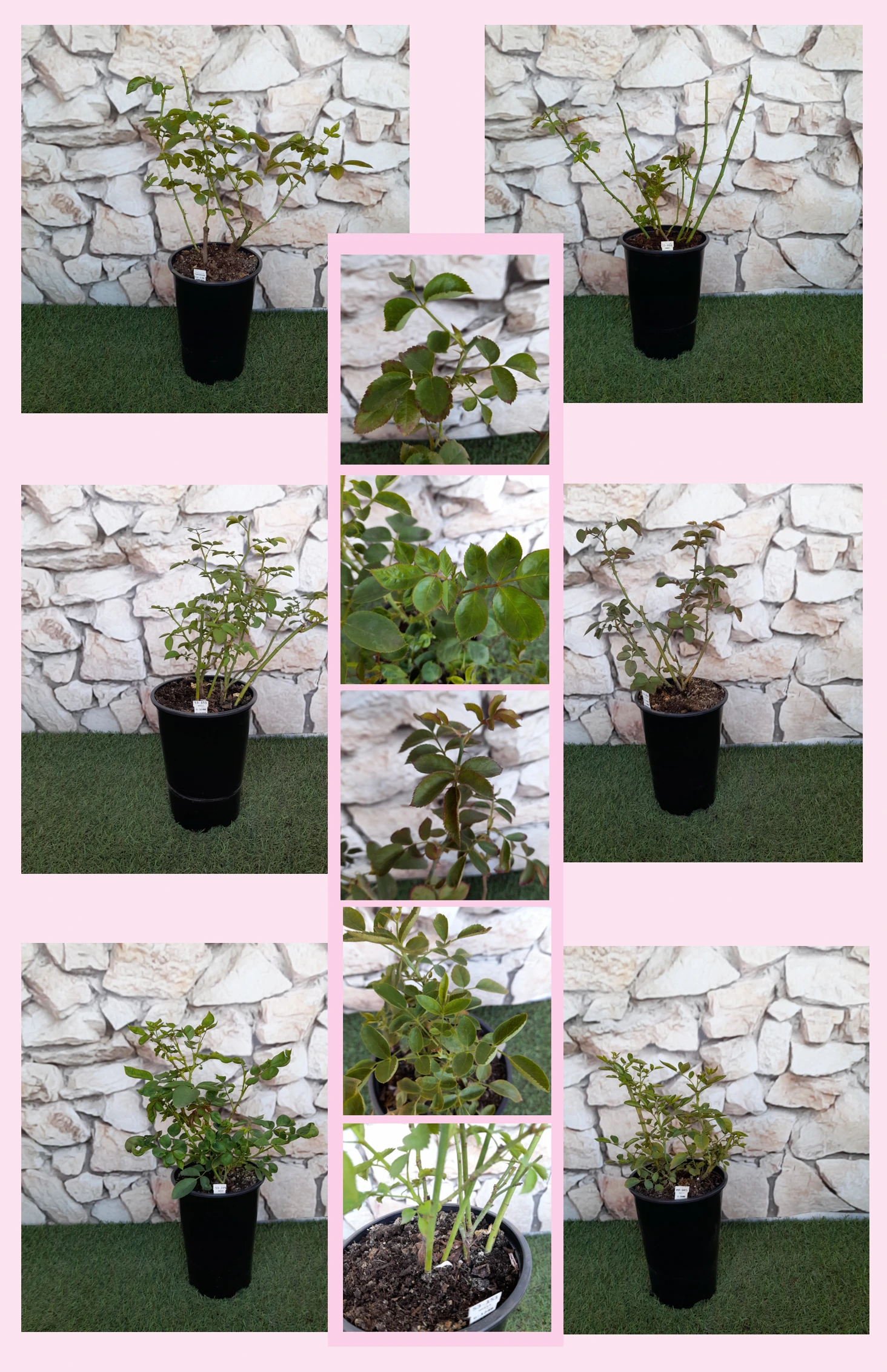
Upright, bushy shrub reaching about 85–115 cm high and 45–65 cm wide, moderately thorny, with medium-green, matt foliage of moderate density, suited to feature or bed planting. |
| Flower morphology |
Large, double, 26–39 petalled flowers over 10 cm, high‑centred, cut‑rose style, borne singly; remontant with a particularly abundant second flowering wave in suitable garden conditions. |
| Colour data and phenology |
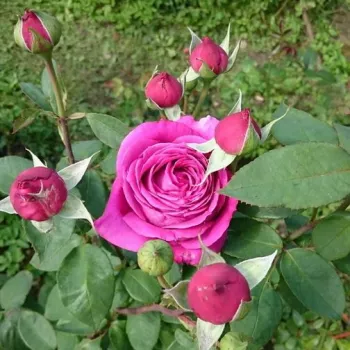
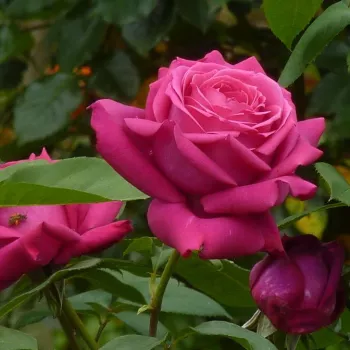
Uniform dark crimson-red blooms with velvety sheen; colour holds well, deepening to a blackish-red tinge as flowers age, from deep burgundy buds through rich crimson at full opening. |
| Fragrance and aroma |
Strong, long-lasting classic damask scent that is evident outdoors and on cut stems; primarily ornamental, as the double form covers stamens and limits pollinator access to the blooms. |
| Hip characteristics |
Occasional small red hips, 6–9 mm across, ellipsoidal, decorative but not produced in heavy quantities; generally a minor visual element compared with the dominant flowering display. |
| Resistance and winter hardiness |
Hardy to around −21 to −18 °C (H7, USDA 6b, Swedish Zone 3); disease resistance moderate overall, with good black spot resistance and moderate tolerance to powdery mildew and rust. |
| Horticultural recommendations |
Best in sunny, well‑drained soil; spacing 45–85 cm depending on use, with 3.3–3.8 plants/m² for mass planting. Medium maintenance; regular pruning and occasional plant protection recommended. |
DOMAINE DITTIÈRE – crimson-red hybrid tea rose - Dittière offers velvety, fragrant blooms, reliable repeat flowering and long-lived own-root resilience, making it a graceful, low-fuss choice to consider for your garden.