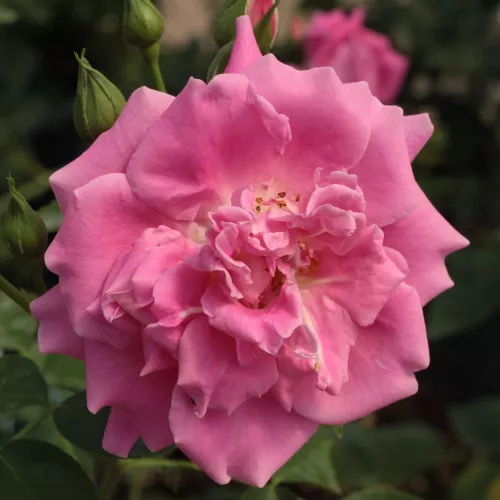
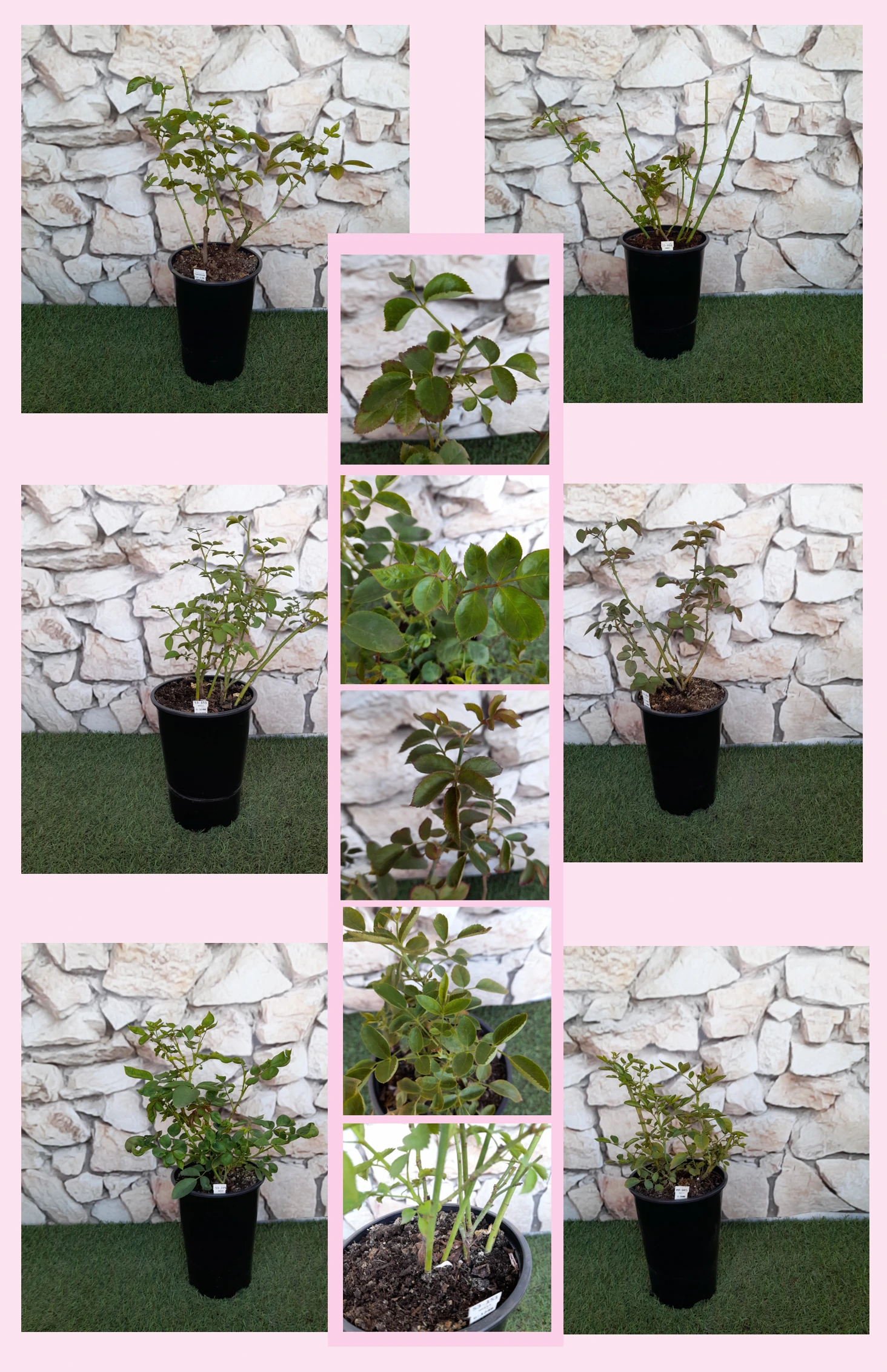
ROUNDELAY – dark‑red bedding grandiflora rose – Swim
Step outside for a few quiet minutes and let Roundelay wrap your front garden or cottage path in deep, velvety colour, rich with a strong, lasting fragrance that feels like cheerful contentment after a light shower. This classic grandiflora produces generous clusters of medium-sized, high-centred blooms, perfect for relaxed garden cutting without fuss. On its own roots it builds a reliable, long-lived structure, settling in steadily and rewarding you with a stable display year after year. Once established, its upright, bushy habit fits beautifully into small to medium Irish gardens, coping well with breezy, rain-washed days where good drainage prevents waterlogging of heavy clay soil. With self-cleaning flowers and straightforward seasonal care, you can enjoy premium, exhibition-bred quality in an easy-going family setting rather than a show bench. Think of it as a conscious, green-minded investment that quietly matures from first roots to confident shoots and finally to full ornamental glory over its first three seasons.
Usage options
| Target area |
Reasoning |
| Traditional front-garden rose bed |
Roundelay’s upright, bushy growth and dark, velvety red clusters create a classic focal feature for typical Dublin terraced fronts or cottage-style beds, delivering that “proper rose garden” look with moderate, predictable care levels – ideal for the time-pressed beginner. |
| Small cutting patch beside a path |
The high-centred, medium-sized blooms on clustered stems are made for casual cutting, so you can bring strongly scented flowers indoors without stripping the plant, as new buds follow on quickly – perfect for fragrance-loving homeowners. |
| Specimen rose in a mixed cottage border |
With its 85–115 cm height and glossy dark foliage, Roundelay stands out among perennials and grasses as a rich, dark-red accent, offering reliable repeat flushes that thread through the summer for colour-focused gardeners. |
| Informal flowering hedge or row |
Planted at around 55 cm centres, the bushy structure knits into a low boundary line, giving structure in winter and a ribbon of dark-red blooms in season, suiting those who want a soft, living edge for family-friendly gardens. |
| Mass planting in a park-style bed |
At 65 cm spacing, Roundelay forms a generous block of colour; its moderate self-cleaning and remontant flowering keep the display tidy with only occasional deadheading, which suits busy, low-maintenance-focused owners. |
| Deep container on a small patio |
In a 40–50 litre or larger pot with good drainage, its compact, upright habit and glossy leaves frame the richly coloured blooms, bringing scent and romance to balconies or paved spaces valued by space-limited urban residents. |
| Long-term “green investment” planting |
As an own-root rose it ages steadily and can regenerate from the base if cut back hard or weather-damaged, which means a longer, more stable ornamental life and less replacement over time for environmentally aware buyers. |
| Beds in rainy, wind-exposed Irish gardens |
Roundelay performs reliably in cool, moist conditions when given free-draining soil that prevents prolonged waterlogging on heavy ground, combining proven hardiness with dependable flowering for Atlantic-weather-tolerant households. |
Styling ideas
- Cottage-Red – weave Roundelay through a border of foxgloves, hardy geraniums and lady’s mantle for a soft, old-Irish cottage look – suited to nostalgic, romantic gardeners.
- Front-Door – flank a path with short rows of Roundelay underplanted with low catmint for a scented welcome – ideal for busy city homeowners.
- Evening-Cut – dedicate a small bed to Roundelay with white daisies and airy grasses so you can pick fragrant stems for the table – perfect for fragrance enthusiasts.
- Evergreen-Frame – back Roundelay with compact cherry laurel or clipped box to highlight its dark blooms against calm greenery – good for structure-focused planners.
- Ruby-Patio – plant one Roundelay in a large terracotta pot with silver santolina and trailing thyme at the rim – great for small-space balcony and patio gardeners.
Technical cultivar profile
| Parameter |
Data |
| Name and registration |
Roundelay is a dark-red bedding grandiflora rose, commercial group Rósra bhláthchlóis, also known as Roundelay Bedding rose Swim, with American Rose Society exhibition name Roundelay. |
| Origin and breeding |
Bred by Herbert C. Swim at Armstrong Nurseries, California, from ‘Charlotte Armstrong’ × ‘Floradora’; introduced by Armstrong Nurseries in 1953 as an unregistered but widely recognised grandiflora cultivar. |
| Awards and recognition |
Decorated with Geneva Gold Medal and City of Geneva Prize in 1954, plus RNRS Trial Ground Certificate in 1958, confirming long-standing garden and exhibition merit over many decades. |
| Growth and structural characteristics |
Upright, bushy shrub, typically 85–115 cm high and 75–105 cm wide, with moderately dense, glossy dark green foliage and moderate prickliness; self-cleaning is partial, so some deadheading improves appearance. |
| Flower morphology |
Clusters of double, high-centred, pointed buds in a cut-rose style, bearing 26–39 petals; medium flower size of about 4–7 cm, with abundant remontant rebloom giving a strong second flowering flush in season. |
| Colour data and phenology |
Deep, velvety dark red flowers with subtle burgundy tones, ARS dr, RHS 187A–187B; colour holds very well, slightly paler in strong sun, richer in cool spells, with blooms that remain attractive as they age. |
| Fragrance and aroma |
Blooms carry a strong, long-lasting scent, noticeable both in the garden and when cut; fragrance character is not formally described but is appreciated as a key ornamental feature of this cultivar. |
| Hip characteristics |
Rose hips are few due to the double flowers; where produced, they are ellipsoid, about 12–18 mm across, coloured red to RHS 44A, offering modest late-season interest without significant seeding. |
| Resistance and winter hardiness |
Hardy to around −21 to −18 °C (H7, USDA 6b, Swedish zone 3); disease resistance is medium overall, with particular susceptibility to black spot, so occasional protective treatments and good hygiene are advised. |
| Horticultural recommendations |
Best in sunny, well-drained soil; avoid prolonged waterlogging. Space 65 cm in beds, 55 cm in hedges, 100 cm as specimen, or use a 40–50 litre container; moderate feeding and timely pruning support repeat flowering. |
ROUNDELAY – dark‑red bedding grandiflora rose - Swim offers rich fragrance, dependable repeat flowering and long-lived own-root resilience, making it a thoughtful choice for those planning a lasting, characterful garden.