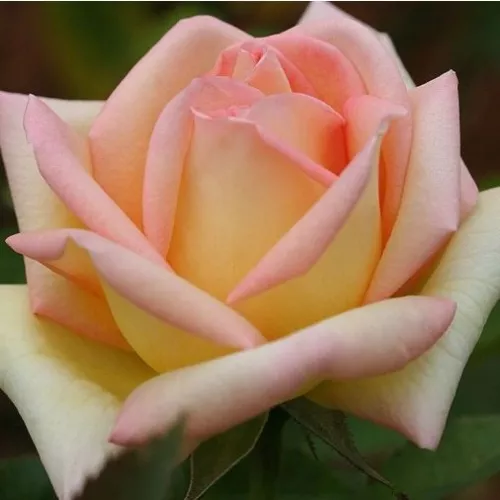
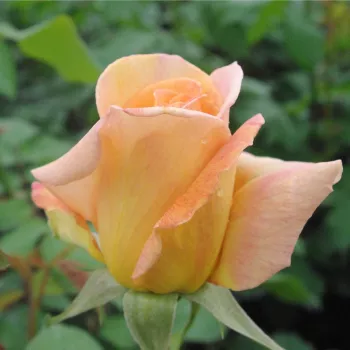
Diorama – yellow hybrid tea rose
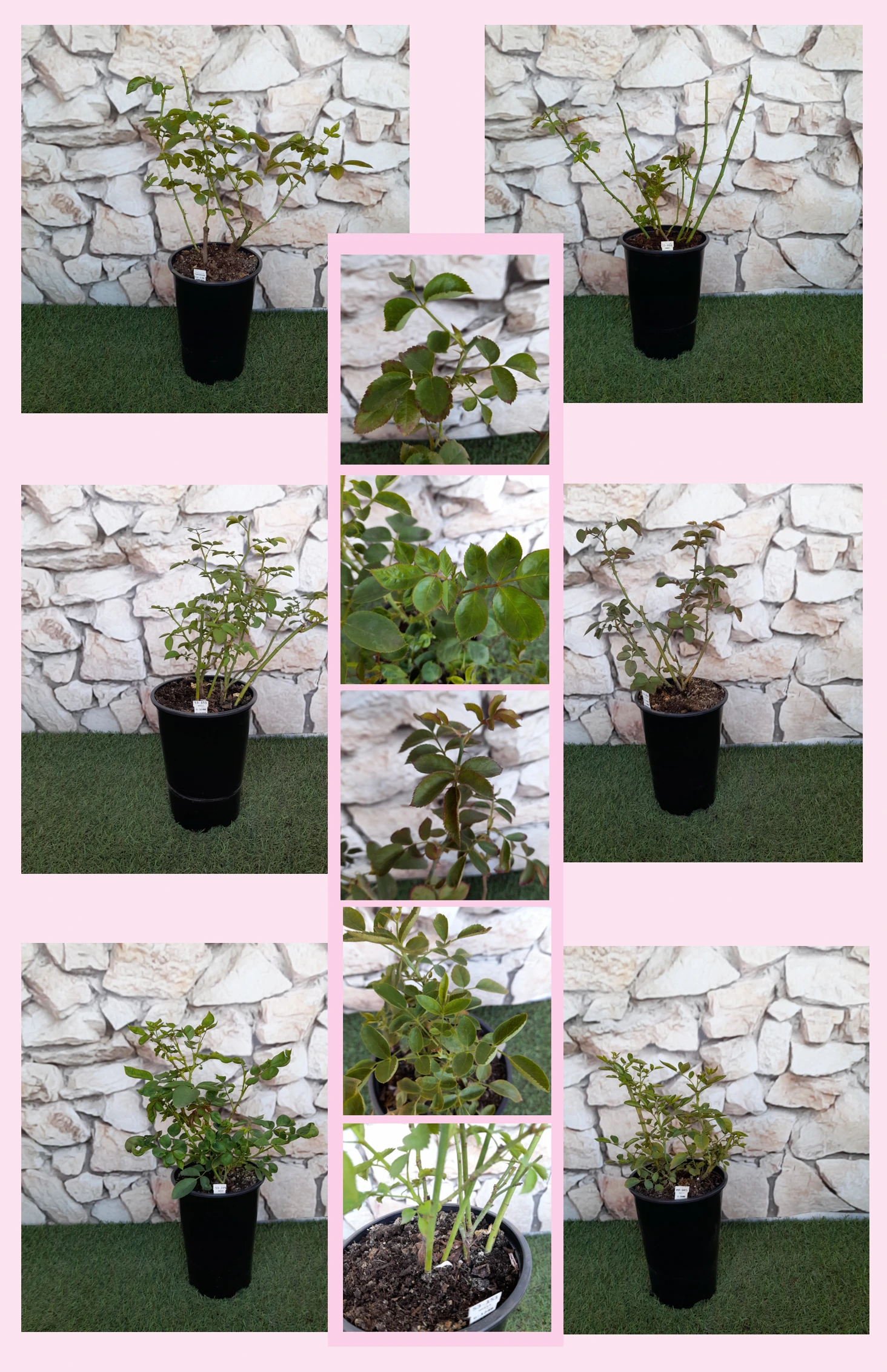
With its softly glowing yellow‑peach blooms and gentle, classic fragrance, Diorama brings relaxed elegance to Irish cottage borders and small front gardens, even where summers are cool and humid. This compact hybrid tea offers reliable flowering from early summer with a generous second flush, so You can enjoy beautifully shaped, high‑centred blooms for the vase as well as in the border. Grafted plants can tire, but this own‑root rose promises long‑term stability, quietly rebuilding from its base after hard pruning or weather damage. Give it a sunny, reasonably drained spot and a light mulch over heavier clay to keep roots healthy, then simply deadhead to encourage more buds. Over time it will reward minimal maintenance with dense, glossy foliage and a neat outline that works just as well in a terraced‑house front bed as in a deeper cottage border. In its first year it concentrates on rooting, in the second on strong new shoots, and by the third it shows its full character, settling in as a charming, long‑lived garden companion.
Usage options
| Target area | Reasoning |
|---|
| Sunny cottage‑style flower bed |
Diorama’s compact, upright growth and medium height make it ideal for a sunny cottage bed where space is limited yet You still want a feature rose. Repeating flushes of large, high‑centred blooms keep colour going through a typical Irish summer. This creates a refined focal point among looser perennials without dominating the whole border, suiting those who want easy structure with minimal shaping, especially beginners. |
| Front garden focal point |
The warm, peach‑yellow flowers read beautifully from the pavement, even on grey Dublin days, giving a welcoming feel to terraced‑house front gardens. Planted as a solitary rose at about 60 cm spacing, it forms a tidy, rounded bush that stays in scale with railings and low walls, while its medium fragrance adds a gentle scent by the doorstep, appealing to urban homeowners. |
| Small rose hedge or row |
At 30–50 cm high with a 30–45 cm spread, Diorama can be planted in a repeating line at about 30–35 cm to edge a path or define a drive. Its relatively uniform habit and moderate disease resistance make it straightforward to maintain as a low, flowering hedge with simple yearly pruning, fitting neatly into long‑term, low‑fuss planting plans for families. |
| Cut‑flower patch in a family garden |
Originally bred as a hybrid tea with exhibition‑style, high‑centred blooms, Diorama excels in the cutting garden: long, straight stems, large double flowers and a classic rose scent that holds well in a vase. Its remontant nature means more than one harvest period each year, providing home‑grown bouquets without complex care routines, perfect for hobbyists. |
| Mixed border with perennials and shrubs |
Diorama’s dense, medium‑green foliage and softly toned flowers blend easily with classics such as English lavender, Siberian bugloss and small dogwoods. The own‑root habit supports a long planting life, so once established it can anchor a mixed border for many years with only basic pruning and mulching, ideal for time‑pressed owners. |
| Containers and large patio pots |
In a 40–50 litre or larger container with good drainage, Diorama’s compact size and neat framework adapt well to patio use. Regular watering and feeding are all it needs to deliver repeat flowering and fragrance by a seating area, creating a “mini border” effect for renters or those with only a balcony or paved yard, suiting busy city gardeners. |
| Clay‑based, moisture‑retentive sites |
While roses dislike waterlogging, Diorama will cope with typical Irish clay if You improve drainage with organic matter and a surface mulch, helping roots to stay aerated during wet spells and cooler months. In such conditions its own‑root system builds resilience year on year, supporting dependable flowering despite soft light and frequent rain, reassuring cautious starters. |
| Low‑intervention, long‑term planting schemes |
Moderate disease resistance and the capacity to regenerate from its own roots make Diorama a sound choice where You prefer seasonal, not weekly, attention. Once settled, it needs only annual pruning, occasional feeding and deadheading, fitting well into a broader, wildlife‑aware garden plan, while hips may occasionally add autumn interest for patient planners. |
Styling ideas
- Cottage‑edge – Plant Diorama in a loose row with lady’s mantle and catmint to soften a path edge – ideal for relaxed cottage gardens and romantic front plots for beginners.
- Doorstep – Use a single Diorama by the front step with low evergreen box and pots of herbs to create a welcoming threshold – perfect for small city gardens and terraced‑house fronts.
- Pastel‑border – Combine Diorama with pale pink roses, lavender and white gaura for a soft, long‑flowering scheme – suited to homeowners who like gentle colour and low maintenance.
- Cutting‑corner – Group several plants with dahlias and cosmos in a sunny bed to supply vases all summer – great for hobby florists and those who enjoy home‑grown bouquets.
- Patio‑focus – Grow Diorama in a large terracotta pot with trailing thyme and violas for scent and colour on the patio – attractive for busy urban families using their outdoor space for relaxing.
Technical cultivar profile
| Property | Data |
|---|
| Name and registration |
Hybrid tea rose Diorama (registered as Diorama), commercial type hybrid tea, group Rós taehibride; approved exhibition name Diorama for cut and show use worldwide. |
| Origin and breeding |
Bred by Gerrit De Ruiter, De Ruiter Innovations B.V., Netherlands, from cross ‘Peace’ × ‘Beauté’; bred 1965, registered 1965, introduced internationally from 1968 via Roy H. Rumsey Pty. Ltd. |
| Growth and structural characteristics |
Compact, upright bush 30–50 cm tall and 30–45 cm wide, with dense, slightly glossy medium‑green foliage and moderate prickles; suitable for beds, edging, low hedges and larger containers. |
| Flower morphology |
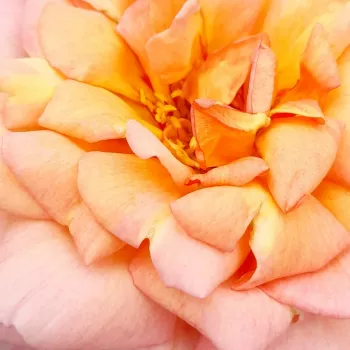
Large, double, high‑centred hybrid tea blooms 7–10 cm across, usually borne singly on stems; 26–39 petals with pointed buds, remontant with a generous second flush and good cutting quality. |
| Colour data and phenology |
Warm yellow with peach tint; golden buds, buttery to apricot‑yellow when opening, maturing to creamy, pastel lemon tones; ARS YB, RHS 14C outer, 15B inner; moderate colour retention as blooms age. |
| Fragrance and aroma |
Classic rose fragrance of medium strength, clearly noticeable around the plant and in the vase; suitable for gardeners who value scent without it overwhelming smaller outdoor seating spaces. |
| Hip characteristics |
Hip set generally sparse; where present, produces small, spherical, vivid red hips about 8–12 mm diameter (RHS 43A), adding occasional late‑season ornamental interest for patient observers. |
| Resistance and winter hardiness |
Hardy to around −21 to −18 °C (RHS H7, Swedish zone 3, USDA 6b); moderate resistance to powdery mildew and black spot, good rust resistance; prefers sunny, open sites with good air movement. |
| Horticultural recommendations |
Best in full sun with improved, well‑drained soil; space 35 cm for mass planting, 30 cm for hedging, 60 cm as a specimen; deadhead for repeats, prune annually, monitor pests and diseases as needed. |
Diorama offers compact elegance, repeat flowering and gentle fragrance on a durable own-root framework that matures gracefully over the years, making it a thoughtful choice for Irish gardens seeking lasting beauty with modest care.