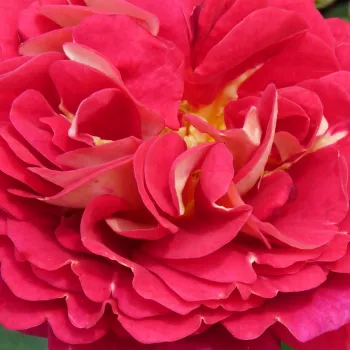
DIE SEHENSWERTE ® – crimson-red-yellow bedding floribunda rose
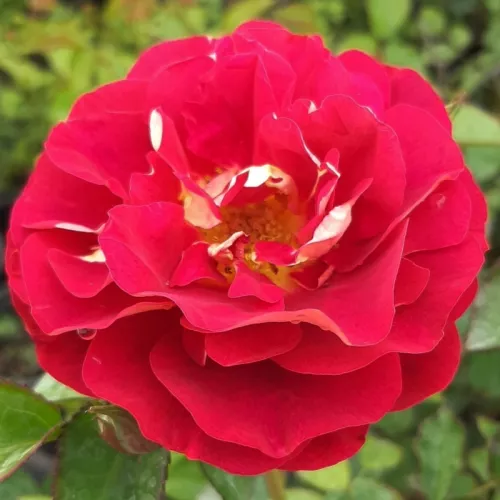
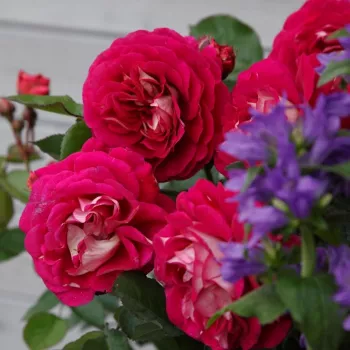
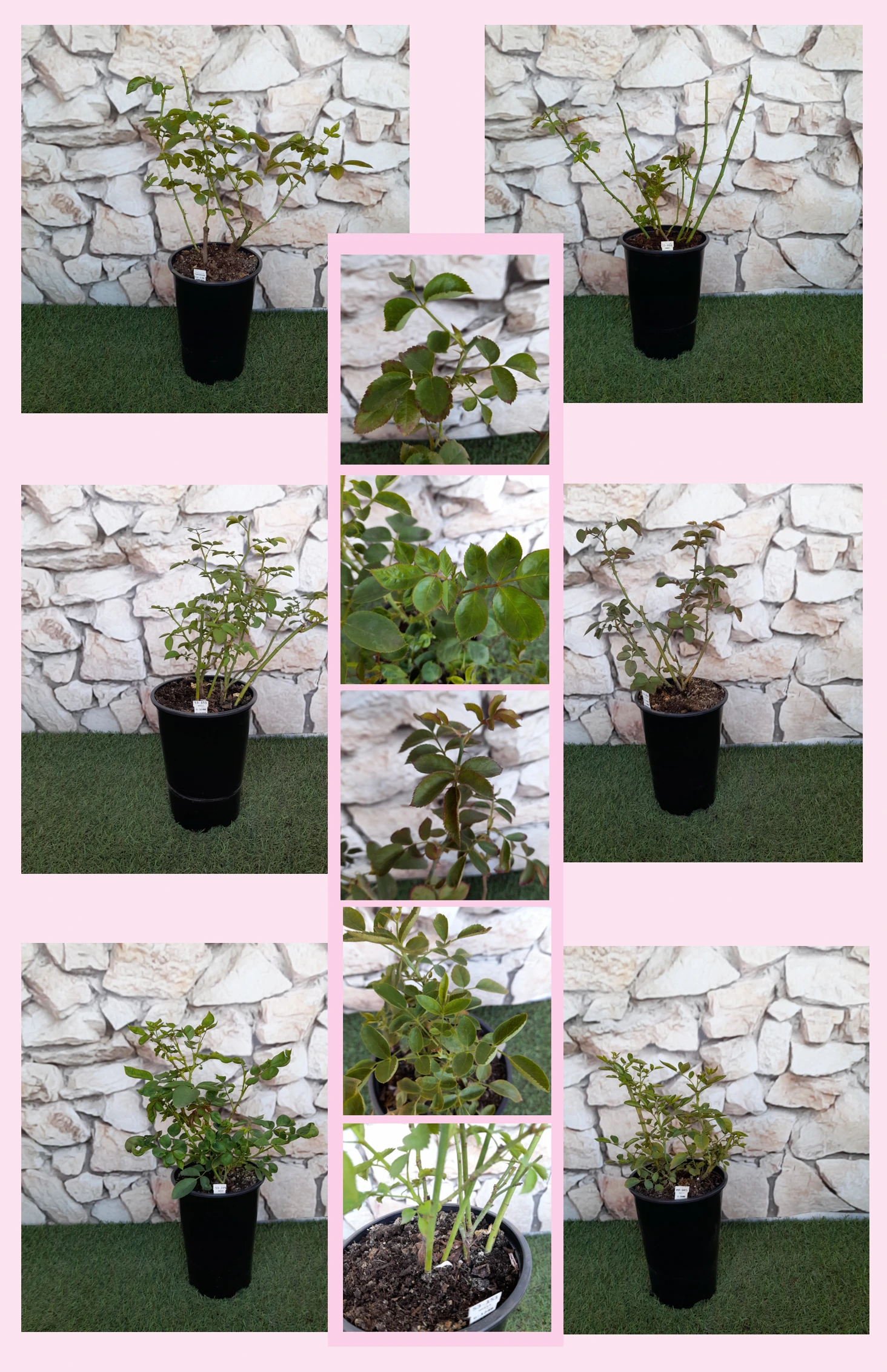
Imagine stepping outside after rain into emerald light and seeing clusters of crimson and golden blooms glowing against glossy foliage – a quietly joyful moment that suits both a cottage path and a Dublin terrace. DIE SEHENSWERTE ® settles in calmly, coping well with our breezy, damp Irish weather and heavy soils with sensible drainage. Bred by Kordes and ADR-rated, it is reassuringly reliable and low-fuss, ideal when you want colour without constant care. Planted on its own roots, it builds a long-lived, resilient framework; think strong roots in year one, bushing up in year two, and full garden presence by year three. Compact and upright yet naturally bushy, it suits flower beds, edging and larger containers, where its very full, cluster-flowering heads create a storybook feel that remains orderly and easy to manage for busy gardeners.
Usage options
| Target area |
Reasoning |
| Front garden focal floribunda |
Compact, upright growth keeps within 60–80 cm, ideal by a doorway or front boundary where you want impact but not a sprawling shrub. Continuous clusters of crimson-red and yellow blooms read clearly from the pavement, suiting small urban plots and welcoming entrances for the busy homeowner. |
| Irish cottage-style flower bed |
Very full, cup-shaped flowers with romantic bi-colour petals give a soft cottage look while the plant itself stays tidy and manageable. ADR-level disease resistance means less spraying and fuss among perennials, perfect for informal beds that still need to look good in wet, maritime Irish summers for the nature-loving gardener. |
| Low-maintenance family border |
Low maintenance requirements and strong resistance to black spot, mildew and rust make this floribunda an easy choice for busy families. A simple seasonal feed and light deadheading keep it flowering through the short Irish summer without complex pruning regimes, supporting relaxed gardens for the time-poor beginner. |
| Colour accent in clay-based gardens |
This variety tolerates typical Irish heavier soils once drainage is improved with grit or organic matter. Its own-root vigour and good heat and moderate drought tolerance give stable performance where summers fluctuate between rain and brief dry spells, offering reassurance in challenging beds for the practical planner. |
| Small hedge or path edging |
Recommended spacings of 35–45 cm allow you to create a low, colourful hedge or edging that reads as a continuous band of bloom. Dense, glossy foliage covers the line even between flushes, giving structure along paths or driveways without dominating narrow spaces, ideal for the neat front-gardener. |
| Feature rose for large containers |
Performs well in sizeable containers (from about 40–50 litres) on patios or balconies, where you can control drainage and soil pH easily. Its upright, bushy shape and repeat flowering provide long seasonal colour in compact city spaces, rewarding limited time and space for the urban balcony-owner. |
| Long-term, own-root specimen |
As an own-root rose it ages gracefully, regenerating from the base without the risk of rootstock suckers, so the original variety is preserved over many years. This gives a stable, predictable shape and colour show with modest annual care, attractive for the long-view gardener. |
| Weather-resilient mixed border accent |
Good heat and moderate drought tolerance, combined with solid disease resistance, mean the plant copes well when Irish weather swings from wet spells to brighter, breezier periods and short summers. Its steady flowering keeps borders lively without constant intervention, reassuring for the climate-conscious buyer. |
Styling ideas
- Cottage-curve – Edge a curving path with repeated clumps, interplanted with Calamintha and woodland sage for a soft, humming cottage feel – ideal for romantic country-garden owners.
- City-ribbon – Plant a short row along a low rail or wall, underplanted with low grasses, to create a refined, colourful ribbon in narrow front gardens – perfect for compact Dublin terraces.
- Patio-jewel – Grow one plant in a 50-litre terracotta pot, surrounded by seasonal annuals in matching crimson and soft yellow, to form a long-flowering patio centrepiece – suited to balcony and courtyard dwellers.
- Storybook-bed – Combine with pale foxgloves and white or blush perennials so the crimson-yellow blooms pop without overwhelming the scene, giving a gentle fairytale note – appealing to family gardens with children.
- Structure-soften – Use a loose row in front of evergreen hedging or railings to disguise hard lines, the dense foliage and repeat flowering adding softness all season – great for privacy-seeking homeowners.
Technical cultivar profile
| Parameter |
Data |
| Name and registration |
Floribunda bedding rose; registered as KORsehendie, marketed as DIE SEHENSWERTE ® MärchenRosen®. Part of the MärchenRosen® collection, classified as Rósra bhláthchlóis in the commercial group. |
| Origin and breeding |
Bred by W. Kordes & Sons in Germany (cross details unknown). Breeding completed in 2006, registered and introduced in 2016 by W. Kordes’ Söhne, ensuring a thoroughly trialled garden rose. |
| Awards and recognition |
Holds the prestigious German ADR award from 2017, signalling strong garden performance and health, and achieved a Bronze medal at the Australian National Rose Trials in 2020 for ornamental value. |
| Growth and structural characteristics |
Compact, upright bush rose typically 60–80 cm high and 40–60 cm wide. Dense, glossy dark green foliage, moderately thorny stems, and moderate self-cleaning with some benefit from occasional deadheading. |
| Flower morphology |
Medium-sized, 4–7 cm, very full cup-shaped blooms with 40+ petals, borne in clusters. Remontant habit provides abundant second and subsequent flushes, giving reliable flowering through the main season. |
| Colour data and phenology |
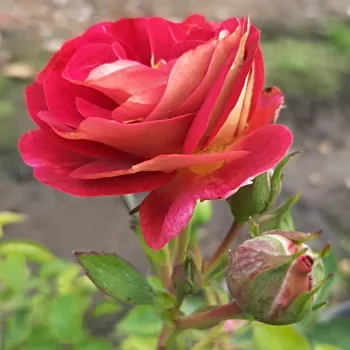
Deep crimson inner petals with golden-yellow outer sides, ARS RB, RHS 60B and 14B. Colour holds well; yellow reverse lightens to salmon as blooms open, keeping a lively bi-colour effect from bud to fall. |
| Fragrance and aroma |
Classed as very weakly scented with no noticeable perfume in most conditions. Primarily grown for its refined colour play and floriferous habit rather than fragrance, fitting well into visually focused plantings. |
| Hip characteristics |
Due to strongly double flowers, hip set is generally low. Where fertilisation occurs, it may form small spherical orange-red hips, around 7–10 mm in diameter, adding discreet late-season interest. |
| Resistance and winter hardiness |
Rated resistant to powdery mildew, black spot and rust. Winter-hardy to about -21 to -18 °C (RHS H7, USDA 6b, Swedish Zone 3), suitable for most Irish locations with normal garden protection. |
| Horticultural recommendations |
Prefers a sunny position with well-drained soil; improve heavy clay with compost and grit. Space 35–75 cm depending on use, mulch annually, water in dry spells, and lightly deadhead to encourage continuous bloom. |
DIE SEHENSWERTE ® offers compact, repeat flowering with rich crimson-yellow blooms, reliable disease resistance and long-lived own-root resilience, making it a thoughtful choice for understated yet enduring garden colour.