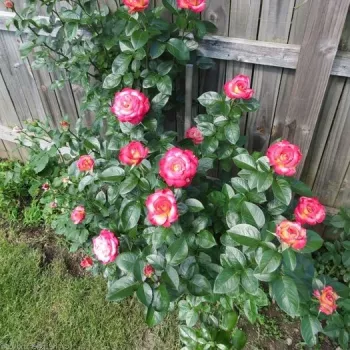
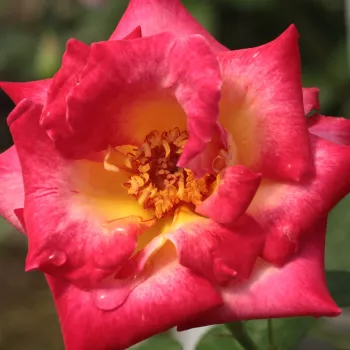
DICK CLARK™ – cream-yellow with red-edged petals bedding grandiflora rose
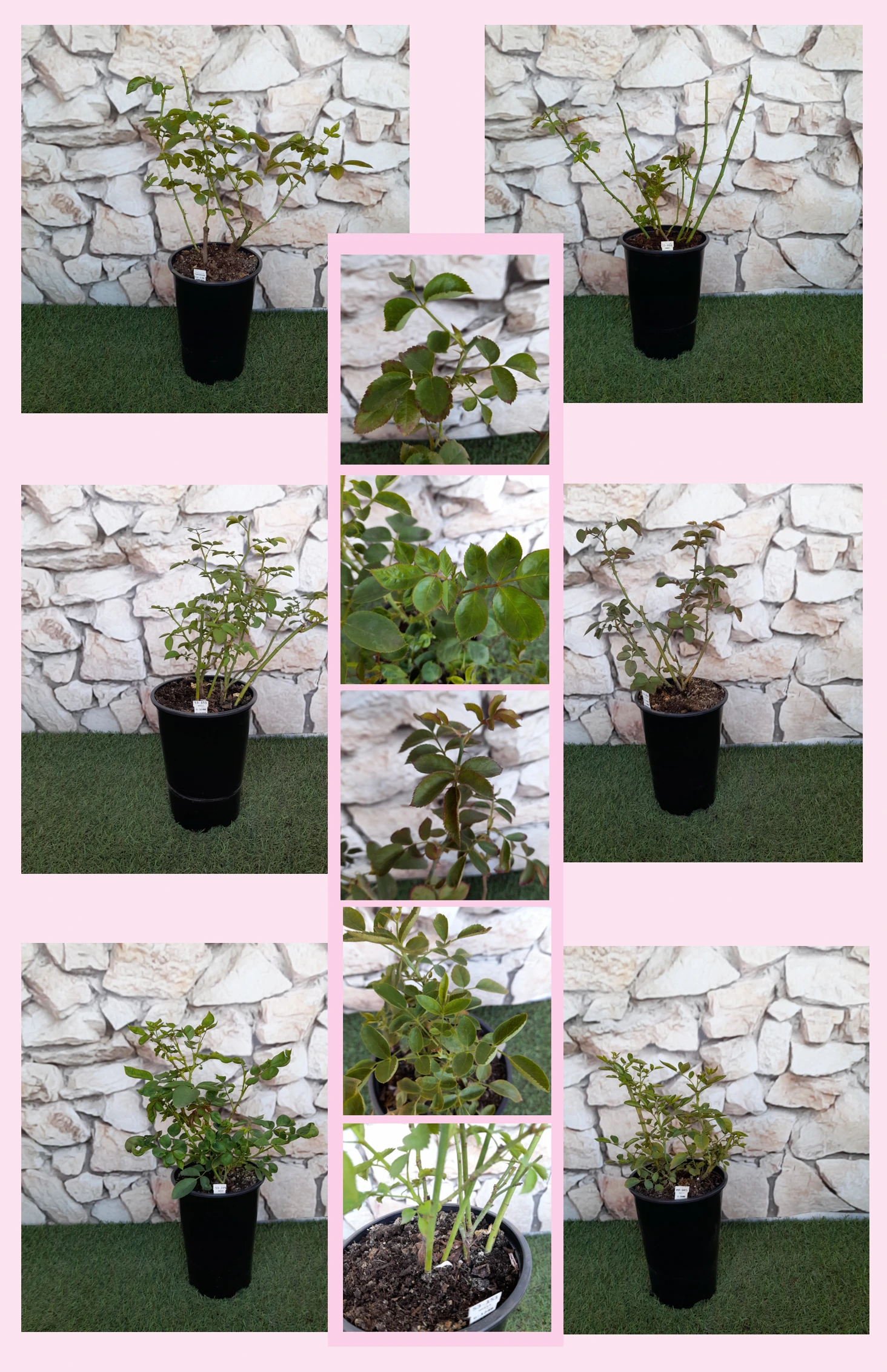
Step outside to a softly lit, showery evening and let DICK CLARK™ wrap your front garden in cheerful colour and gently spicy fragrance. This medium-height, upright grandiflora brings generous flushes of cupped, cream-and-cherry blooms that deepen and soften with the Irish seasons, creating a constantly changing display. Bred for reliable, repeat flowering, it keeps beds and cottage-style borders lively even when summers feel short and skies are grey, while coping steadily with typical Irish rainfall and cool spells. Own-root plants settle in securely, building a long-lived framework that is easier to look after over time, with foliage that stays neatly bushy and glossy. In the first year it concentrates on roots, the second on shoots and shape, and by the third year you can expect its full ornamental impact in your everyday family garden.
Usage options
| Target area |
Reasoning |
| Flower bed in a family front garden |
The upright, bushy habit and mid-sized double blooms create a dependable focal point in small to medium beds without overwhelming neighbouring plants. Regular repeat flowering keeps the front of your home looking cared for with modest effort, ideal for busy urban gardeners. |
| Cottage-style mixed border |
Its changing cream-and-red bicolour flowers blend beautifully with foxgloves and traditional perennials, giving an informal cottage look. The glossy dark foliage provides a calm backdrop for looser planting, suiting Irish cottage garden owners. |
| Specimen rose near a path or seating area |
The clearly noticeable sweet, spicy scent and cupped, medium-sized blooms are best appreciated up close. Planted where you pass daily, it adds a small moment of pleasure without demanding complex care, perfect for fragrance-loving homeowners. |
| Hedge or low boundary planting |
With a recommended spacing of about 60 cm for hedging and a height that comfortably screens without becoming imposing, it forms an attractive, flowering line along drives or paths. Own-root plants regrow reliably if cut back, reassuring for beginner gardeners. |
| Mass planting for colour impact |
Square or hexagonal planting at around 2 plants/m² quickly builds a dense, colourful block, with remontant flowering extending the season. This long-flowering performance gives strong visual value from a limited space, appealing to small-garden owners. |
| Part-shade city garden corner |
Its suitability for partial shade means it still flowers well where high walls or neighbouring houses limit direct sun. Medium maintenance needs and moderate disease resistance fit the reality of damp, enclosed Irish plots, convenient for time-poor city residents. |
| Large container on patio or terrace |
In a 40–50 litre or larger container with good drainage, its upright structure and repeat-flowering habit create a long-season feature close to your back door. Occasional deadheading keeps it tidy, matching the expectations of low-maintenance gardeners. |
| Weather-resilient family garden planting |
Moderate hardiness and tolerance of changeable conditions allow it to cope with cool, damp Irish spells, while steady remontant flowering brightens short summers. This helps it stay attractive through periods of frequent soft rain and breezy days for Irish family gardens. |
Styling ideas
- Cottage-curve border – weave DICK CLARK™ through a curved bed with foxgloves, hardy geraniums and tall grasses for a relaxed cottage look – ideal for romantic, wildlife-aware garden owners
- Terraced-front statement – plant one or two roses in large 50-litre pots by the front steps, underplanted with low lavender for scent and structure – suited to style-conscious Dublin terrace residents
- Family-play backdrop – use a loose hedge of these roses behind a lawn or play area, softening fences while keeping planting upright and tidy – perfect for families wanting colour with easy upkeep
- Evening-scent corner – combine a specimen rose with white campanulas and soft-hued perennials beside a bench to enjoy the spicy fragrance on mild nights – for homeowners who unwind outdoors after work
- Colour-drift bed – mass-plant several bushes in a shallow arc, blending into clumps of pale perennials to highlight the cream-and-cherry flowers – appealing to gardeners seeking strong impact from limited space
Technical cultivar profile
| Attribute |
Data |
| Name and registration |
Grandiflora–floribunda bedding rose, registered as WEKfunk, marketed as DICK CLARK™. Approved exhibition name: Dick Clark. Belongs to the bedding rose collection, suitable for cut and exhibition use. |
| Origin and breeding |
Hybrid of ‘Fourth of July’ × unknown seedling, bred in the United States in 2008 by Christian Bédard and Tom Carruth, introduced 2011, with Weeks Roses as initial distributor. |
| Awards and recognition |
Holder of significant American honours, including the All-America Rose Selections winner title in 2011 and American Rose Society Members’ Choice recognition in 2015 for garden performance. |
| Growth and structural characteristics |
Bushy, upright shrub reaching about 140–180 cm in height and 80–120 cm spread, with dense, dark green glossy foliage and moderate prickliness; self-cleaning is partial, so some deadheading is beneficial. |
| Flower morphology |
Medium-sized, 4–7 cm, cupped, double blooms with 26–39 petals, usually borne singly on stems. Remontant, producing abundant initial and repeat flushes when regularly deadheaded and well fed. |
| Colour data and phenology |
Cream to light yellow base with bright cherry-red edging and wash, ARS RB, RHS 155B outer and 46A inner; tones deepen in heat and soften in cooler weather, with generally good colour retention and limited fading. |
| Fragrance and aroma |
Medium-strength, clearly noticeable scent with a sweet, spicy character, best appreciated near paths or seating. Dense double form and 26–39 petals limit access to pollen, so pollinator value is modest. |
| Hip characteristics |
Rose hips form sparsely; when present they are small, about 10–14 mm, spherical and vivid red (RHS 40A). Ornamental hip display is occasional rather than a dominant feature of the plant. |
| Resistance and winter hardiness |
Hardy to approximately −26 to −23 °C (RHS H7, USDA 5b, Swedish zone 4). Disease resistance is moderate, with similar susceptibility levels to black spot, mildew and rust, requiring monitoring in humid seasons. |
| Horticultural recommendations |
Best in well-drained soil with organic matter, spacing 60–110 cm depending on use. Water during prolonged droughts, prune annually, and use preventive pest and disease care as needed in high-pressure conditions. |
DICK CLARK™ offers repeat flowering, medium spicy fragrance and glossy foliage on a reliable own-root shrub that matures into a long-lived feature, making it a considered choice for Irish family gardens.