DENTELLE DE BRUXELLES – carmine-red rambler climbing rose – Lens
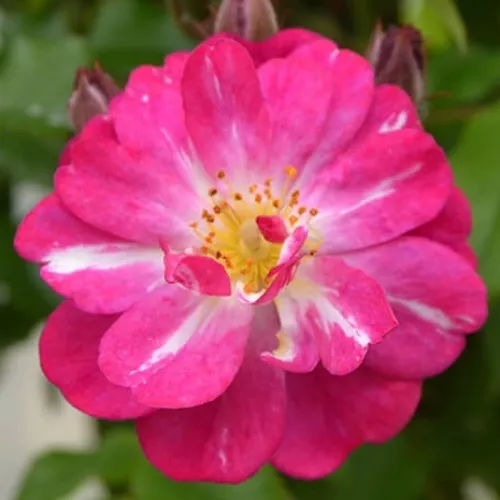
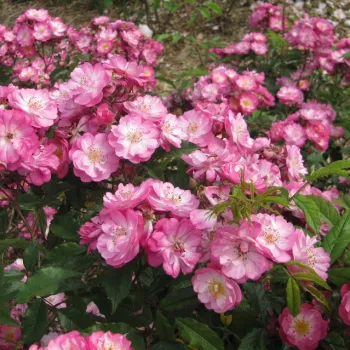
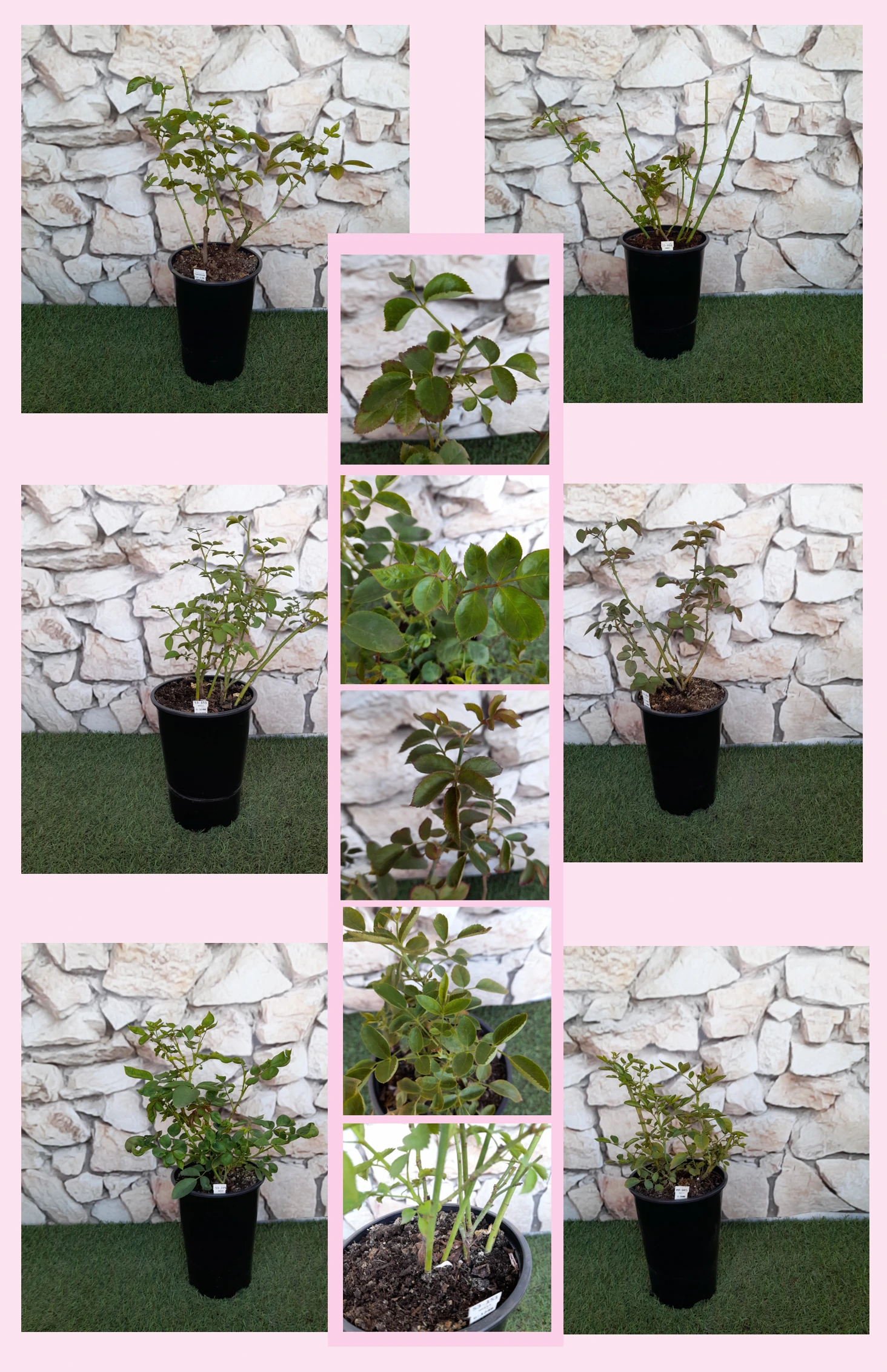
Step outside to a curtain of carmine blooms and soft, mild perfume, where Dentelle de Bruxelles drapes walls, fences and arches in an easy, romantic sweep. This rambler’s semi-double flowers glow from deep red to blush pink, creating a cheerful play of colour that suits both Dublin terraces and relaxed Irish cottage gardens. It repeats generously through the season, offering months of colour and gentle fragrance while coping well with our damp, changeable weather and frequent rain showers softened by ocean winds. Own-root planting means a reliably long-lived, stable plant that shrugs off the odd knock and regenerates well after pruning. With dense, fresh foliage and small, bee-attracting blooms, it is as practical as it is pretty, giving you a quietly reliable backdrop of flowers and hips for many years. Think in terms of roots in year one, framework in year two and full, billowing splendour by year three, with little more than basic care, reasonable drainage and space to climb. Ideal if you want a relaxed, “girly” cottage look without fussy maintenance.
Usage options
| Target area |
Reasoning |
| Front-house climbing feature for Dublin terraces |
Dentelle de Bruxelles is compact enough for typical front gardens yet tall enough to frame doorways and windows, giving a soft, lacy look without overwhelming the façade. Semi-double blooms and own-root vigour suit those seeking easy charm – busy city gardeners |
| Romantic Irish cottage-garden arch or arbour |
Its bushy, flexible growth and repeat-flowering clusters are perfect for clothing arches and simple timber arbours, providing a long season of colour with only occasional tying-in and pruning. Own-root resilience supports a long-lived garden structure – cottage-style enthusiasts |
| Flowering screen along a boundary or side fence |
Dense mid-green foliage and a 180–280 cm height range allow it to create a soft privacy screen or wind-filtering barrier. Moderate maintenance and good self-cleaning mean fewer spent blooms to tidy, ideal for relaxed spaces – low-maintenance seekers |
| Wildlife-friendly corner with bees and autumn hips |
Semi-double flowers offer accessible pollen for bees, and the plant follows up with many small, carmine-red hips for seasonal interest. This makes a naturalistic, wildlife-supporting corner easy to achieve without specialist knowledge – nature-loving families |
| Mixed shrub and perennial bed backdrop |
The fine clusters of small, carmine-red flowers work beautifully behind perennials like Penstemon, Liatris and Monarda, adding vertical rhythm rather than heavy blocks of colour, while own-root stability ensures a lasting framework – informal border creators |
| Part-shade side garden or narrow passage |
Suitable for partial shade, this variety still flowers and clothes its supports where sun is limited for part of the day, such as side passages between houses. It makes these overlooked strips feel cared-for with very modest input – time-pressed homeowners |
| Large container on patio or courtyard (50 L+) |
In a 50–60 litre container with good drainage and mulch, Dentelle de Bruxelles offers a controllable column of colour where soil is poor or paved. Own-root planting reduces long-term exhaustion, making pots more forgiving over the years – urban balcony and patio users |
| Feature rose for exposed, rainy family gardens |
This variety copes reliably with cool, showery summers and the soft breezes typical of Ireland’s ocean-tempered climate, while remontant flowering keeps interest going when other shrubs pause. Medium disease resistance suits ordinary care levels – casual hobby gardeners |
Styling ideas
- LACEWORK PORCH – Train along a simple metal or timber frame over the front door, underplanted with low lavender or catmint to soften the base – ideal for terrace and townhouse entrances owners
- COTTAGE CURTAIN – Let it ramble over a rustic arch with foxgloves and hardy geraniums beneath, for an easy “storybook” approach – perfect for romantic cottage-garden admirers
- WILDLIFE RIBBON – Run it along a back fence with Liatris and Monarda for bees and autumn hips, blending ornamental and wildlife value – suited to nature-focused family gardeners
- COURTYARD COLUMN – Grow in a 50–70 litre pot with a slim obelisk, combining vertical colour and mild scent where space is tight – great for patio and small-courtyard keepers
- SOFT SCREEN – Use several plants in a loose row to form a flowering boundary, with ornamental grasses and penstemons in front for movement and depth – recommended for privacy-seeking homeowners
Technical cultivar profile
| Property |
Data |
| Name and registration |
Rambler, shrub rose registered as LENkivi; trade name Dentelle de Bruxelles, also listed as Dentelle de Bruxelles Climbing rose LENkivi; exhibition name Dentelle de Bruxelles. |
| Origin and breeding |
Bred by Louis Lens in Belgium from ‘Kiftsgate’ × ‘Violet Hood’; breeding completed 1986, registered 1986 and introduced 1988 via Lens Roses and Pépinières Louis Lens SA. |
| Growth and structural characteristics |
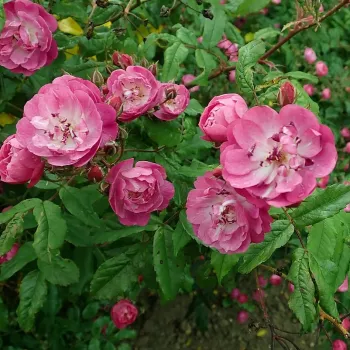
Strong, bushy climber to about 180–280 cm high and 120–200 cm wide, with dense, slightly glossy mid-green foliage, young growth reddish; moderately thorny, with a naturally full, screening habit. |
| Flower morphology |
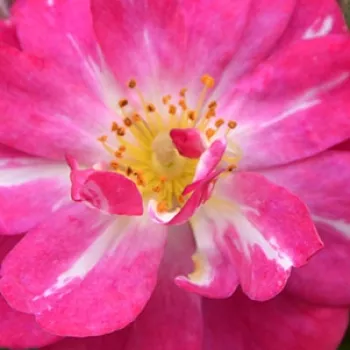
Semi-double, small cup-shaped blooms, usually 1–4 cm across, carried in clusters; around 13–25 petals per flower. Self-cleaning habit helps spent blooms fall naturally, reducing the need for deadheading. |
| Colour data and phenology |
Deep, vivid carmine-red buds open to crimson-red petals, fading through pale pink to whitish-lilac at the centre; colour holds well before softening. Remontant, with an abundant second flush in suitable conditions. |
| Fragrance and aroma |
Mild, subtle rose scent noticeable at close range, complementing rather than overwhelming nearby planting; scented, semi-double blooms help attract foraging pollinators during main flowering waves. |
| Hip characteristics |
Produces many small, spherical, carmine-red hips, about 6–10 mm across, that extend the season of interest into autumn and are decorative in mixed borders or wildlife-friendly planting schemes. |
| Resistance and winter hardiness |
Hardy to about −32 to −29 °C (USDA 4b, RHS H7, Swedish zone 5). Moderate drought tolerance, needing watering in long dry spells; medium resistance to powdery mildew, black spot and rust. |
| Horticultural recommendations |
Best in well-drained but moisture-retentive soil; space 140–240 cm depending on use. Suitable for partial shade and trained uses in beds, parks and urban greens, with occasional plant protection as needed. |
Dentelle de Bruxelles offers long-season carmine-red flower screens, wildlife-friendly hips and reliable own-root longevity; an appealing, enduring choice if you would like a gentle, low-fuss climbing feature.