DENTELLE DE BRUGES – white park rose - Lens
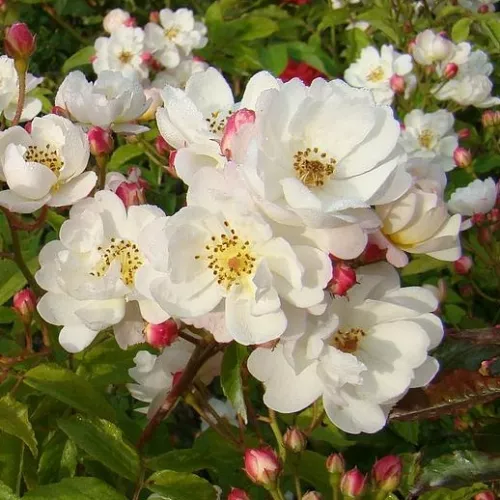
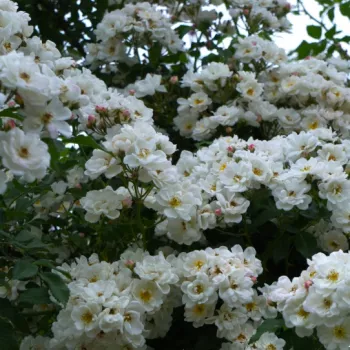
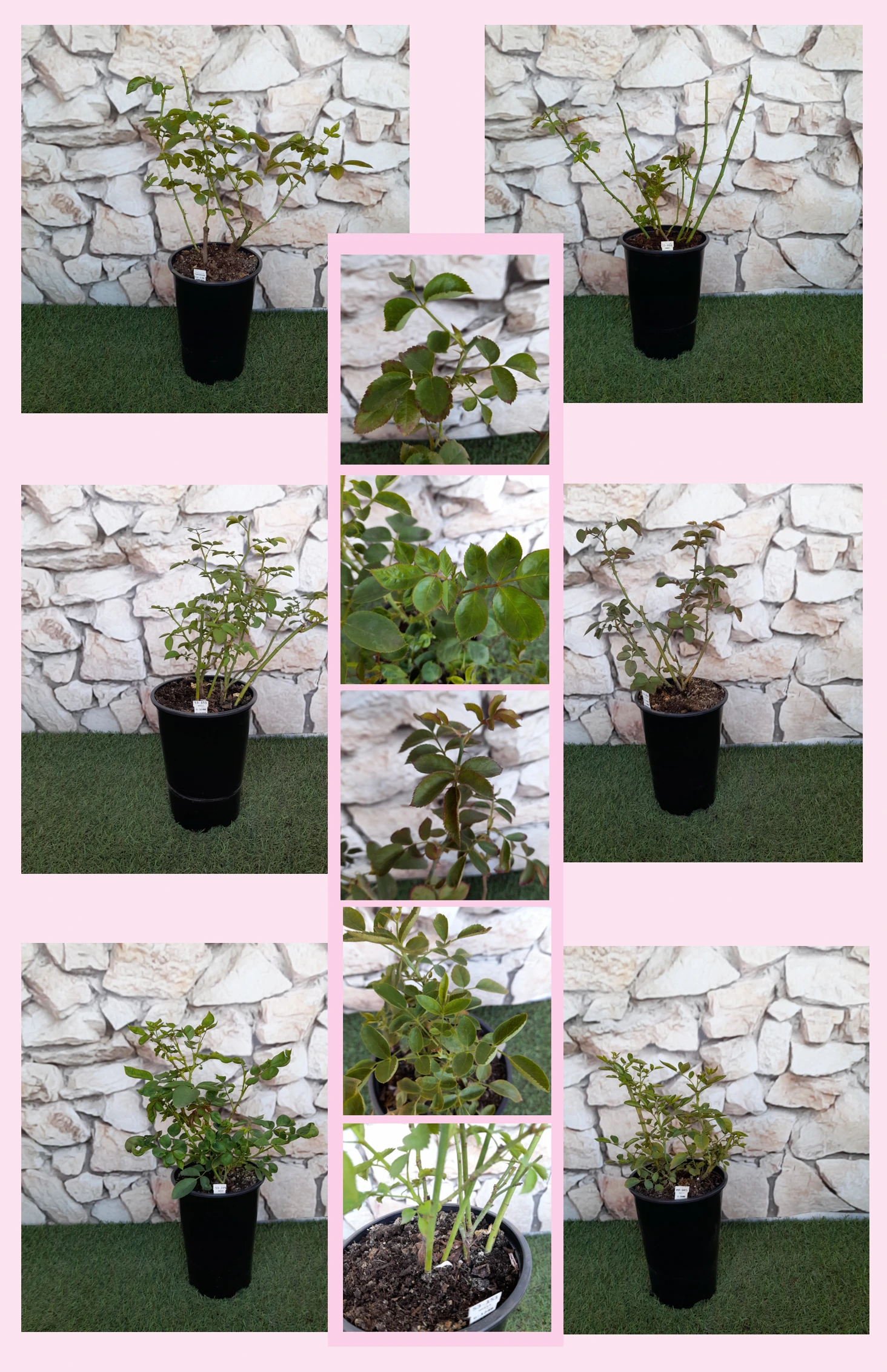
Step outside to a curtain of snow-white clusters and fragrant lace-like blooms: Dentelle de Bruges creates a soft, romantic backdrop that suits both Irish cottage borders and compact Dublin fronts, even where summers are cool and damp. Its semi-double flowers open wide, revealing golden stamens that bees adore, while the strong, spicy-honey fragrance drifts along paths and over low walls. Once-flowering but generously covered in early summer, it then carries charming orange hips into autumn for extra seasonal interest. Supplied as an own-root pharmaROSA® ORIGINAL shrub, it settles steadily – first building roots, then framework, then by the third year maturing into a long-lived, dependable garden feature.
Usage options
| Target area | Reasoning |
|---|
| Informal cottage-style hedge |
The tall, upright, bushy habit and 120–180 cm spread make Dentelle de Bruges ideal for a loose hedge that feels soft rather than rigid. Once-flowering, it delivers a spectacular white curtain in early summer, then neat mid‑green foliage and hips. Own-root plants recover well from pruning and gaps, building a long-lived hedge with relatively modest care – perfect for beginners. |
| Focal shrub by a path or gate |
Strong, complex spicy-honey scent and masses of semi-double blooms invite you to slow down as you pass a gate, doorway or main path. The translucent snow‑white petals show beautifully in Ireland’s often overcast light, giving a luminous effect on grey days. Own-root growth ensures the shrub thickens from the base over time, maintaining impact for many seasons – ideal for the fragrance-loving homeowner. |
| Wall or fence backdrop |
Planted 40–60 cm out from a south or west-facing wall or sturdy fence, this tall shrub forms a generous flowering screen without needing complex training. It copes well with cool, moisture-laden air, which suits exposed Irish plots, while medium disease resistance responds well to basic hygiene and an annual mulch. Its dependable structure means less replanting over the years, suiting the busy urban gardener. |
| Mixed cottage border with perennials |
Clusters of small, cup-shaped white flowers blend easily with soft pinks, blues and airy grasses, while the once-a-year display allows you to underplant with long-flowering perennials for season-long colour. Good partial-shade tolerance means it can sit behind lower cottage plants without sulking. Own-root resilience keeps the shrub attractive even after occasional winter knockbacks, reassuring the relaxed hobbyist. |
| Wildlife-friendly family garden corner |
The semi-double, open flowers give bees and other pollinators easy access to pollen, and the strong fragrance helps draw them in during its main summer flush. After flowering, numerous small orange hips offer extra autumn interest and a light food source for birds. With simple mulching and basic pruning, it will repeat this cycle for many years, pleasing the nature-oriented family. |
| Cut flowers for informal indoor arrangements |
While blooms are relatively small, their sheer number and airy, lace-like effect make lovely loose bouquets in jugs and cottage vases. The spicy-honey perfume carries well indoors, bringing a sense of an Irish garden after summer rain. Sturdy stems from a well-established own-root shrub reshoot reliably after cutting, suiting the creative but time-poor resident. |
| Large container on patio or terrace |
Where soil is very heavy, a 40–50 litre container with good drainage lets Dentelle de Bruges thrive above the worst of winter waterlogging. A quality peat-free mix, annual top-dressing and simple watering will support strong root development, important for a tall shrub. Own-root plants adapt better to container life over time, giving dependable structure for the space-conscious urbanite. |
| Low-maintenance structural shrub in lawn or clay soil |
Set slightly raised above heavy clay with added grit and organic matter, it forms a robust framework that asks little beyond an annual tidy. In Ireland’s cool, moist climate the once-flowering habit concentrates energy into one impressive show and hip production, reducing the need for deadheading. Its steady, own-root development into a mature, long-lived shrub particularly supports the practical-minded buyer. |
Styling ideas
- Cottage Curtain – Plant two or three in a row by a picket fence, interwoven with Lonicera nitida ‘Maigrün’ and foxgloves for a soft white-and-green veil – ideal for romantic cottage-garden lovers.
- Front-Garden Welcome – Use a single specimen near a Dublin terrace doorway, underplant with low lavender and thyme to frame the entrance in scent – perfect for city dwellers wanting charm in little space.
- White-and-Blue Drift – Combine with Echinops and Liatris spicata ‘Alba’ in a sunny border for a cool white-and-blue tapestry that still attracts bees – suited to those who like restrained, elegant colour.
- Wildlife Nook – Let Dentelle de Bruges rise behind a loose mix of daisies, hardy geraniums and grasses, leaving hips on for birds – great for families building a nature-friendly play-and-discovery corner.
- Patio Feature – Grow one plant in a 50-litre half-barrel with trailing campanulas spilling over the rim for an easy-care, fragrant focal point – ideal for renters or balcony owners who may move house.
Technical cultivar profile
| Parameter | Data |
|---|
| Name and registration |
Shrub / Hybrid Musk park rose; registered as LENmule, traded as Dentelle de Bruges. ARS exhibition name Dentelle de Bruges; name honours Bruges’ historic lace-making tradition. |
| Origin and breeding |
Bred by Louis Lens (Lens Roses, Belgium) from ‘Seagull’ × ‘Mühle Hermsdorf’. Introduced and registered in 1990, breeding completed in 1988; offered as a premium shrub for gardens and parks. |
| Growth and structural characteristics |
Strong, upright, bushy shrub, 170–230 cm tall with 120–180 cm spread. Moderately dense, mid‑green, slightly glossy foliage; moderate prickles; forms a substantial, long-lived framework under normal care. |
| Flower morphology |
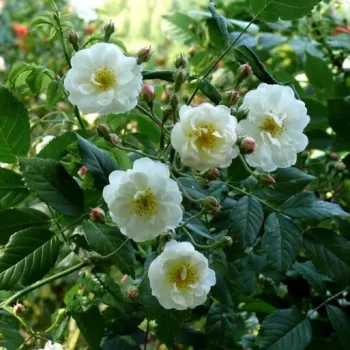
Semi-double, cup-shaped clusters of small flowers, 1–4 cm, borne in large inflorescences. Around 13–25 petals, with clearly visible stamens. Main flowering once in summer, followed by decorative hip set. |
| Colour data and phenology |
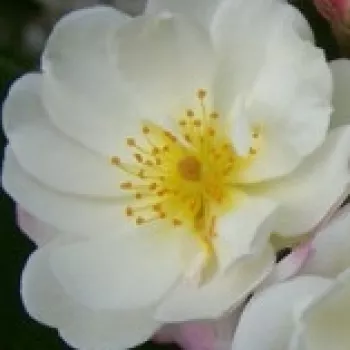
Buds deep crimson-red, opening pale cream then quickly snow-white, sometimes with a greenish tinge. ARS white; RHS 155C outer, 155D inner. Golden-yellow stamens stand out at full bloom, enhancing luminosity. |
| Fragrance and aroma |
Strong, full perfume with a complex spicy-honey character. Scent is noticeable in still air and along paths. Open, scented blooms support both sensory enjoyment and moderate pollinator activity in summer. |
| Hip characteristics |
After weak self-cleaning, sets moderately abundant, small spherical orange hips, about 6–10 mm in diameter. Provide additional seasonal interest and a light wildlife resource into autumn and early winter. |
| Resistance and winter hardiness |
Medium resistance to powdery mildew, black spot and rust; benefits from good air flow and hygiene. Hardy to around −18 to −15 °C (RHS H6, Swedish Zone 2, USDA 7a), suitable for most Irish locations. |
| Horticultural recommendations |
Use as wall or fence shrub, informal hedge, specimen or for pollinator-friendly borders and cutting. Space 130–220 cm depending on role. Prefers well-drained soil; occasional protection treatments may be needed. |
Dentelle de Bruges offers a luminous once-a-year white display, strong spicy-honey fragrance and pollinator appeal, with the long-term stability of an own-root shrub, making it a thoughtful choice for enduring garden structure.