Dames de Chenonceau – DELpabra bedding shrub rose (own-root)
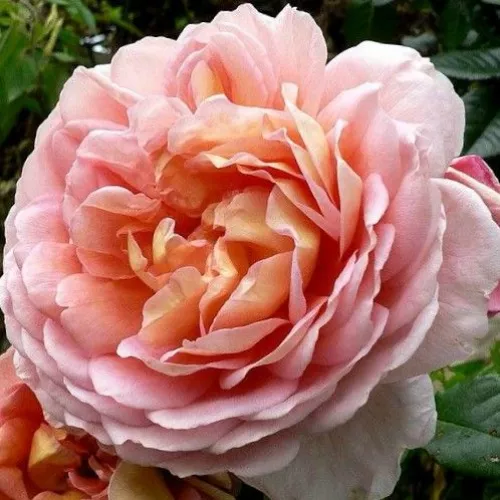
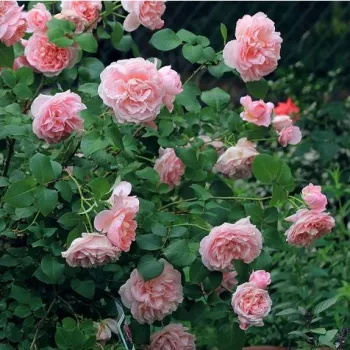
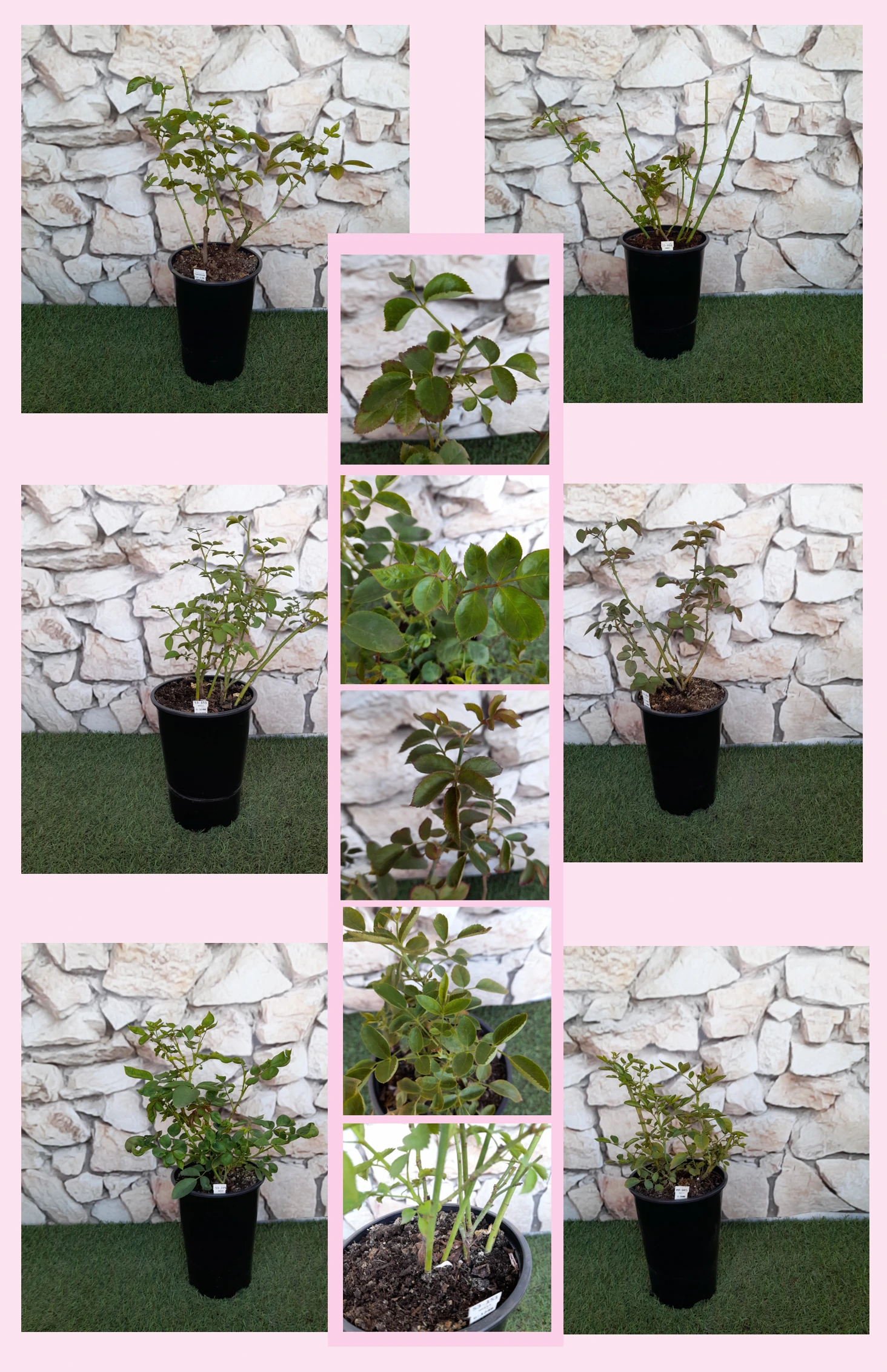
Step out to a soft Irish drizzle and find contentment in the glowing apricot‑pink cups of Dames de Chenonceau, a floribunda shrub rose that turns small front gardens into stories of quiet charm. Bred by Delbard, its repeat-flowering clusters bring cheerful colour from early summer well into autumn, coping reliably even where soils are heavy and need wise drainage after long wet spells. On its own roots it settles steadily, building a long-lived, regenerating framework that suits beginners as much as seasoned gardeners. Think cottage paths, low front hedges and romantic, terraced-house beds where the air holds a hint of fragrance and the foliage stays dark, healthy and glossy. Quietly, it follows the natural rhythm of year one for rooting, year two for stronger shoots and year three for full, satisfying abundance.
Usage options
| Target area |
Reasoning |
| Cottage-style front border along a path |
The warm apricot-pink, very double blooms and bushy, upright habit create a soft cottage look without needing complex pruning, ideal beside a path where you pass and enjoy the strong scent; suits the gentle, romantic style many homeowners favour. |
| Low flowering hedge by a terrace or driveway |
At 80–100 cm tall with dense, dark foliage, this rose forms a tidy, low hedge when spaced at about 35 cm, giving structure and colour through repeated flushes while remaining easy to maintain for busy urban gardeners. |
| Feature plant in a small front garden bed |
Used as a solitary plant at wider spacing, the clustered, large blooms stand out as a focal point, offering long-season flowering with only moderate care, an inviting solution for novice gardeners. |
| Mixed shrub and perennial border in family garden |
The upright, bushy shape slots neatly among perennials, its repeat flowering providing ongoing colour that weaves the planting together, while own-root resilience supports long-term structure valued by practical owners. |
| Cut-flower corner near the back door |
Large, full, cup-shaped blooms on clustered stems lend themselves to informal bunches; regular cutting encourages new flowering, giving scented stems for the house with simple, occasional deadheading manageable for time-pressed beginners. |
| Bed in wetter, heavier Irish soils with improved drainage |
Once planted into a slightly raised, well-drained bed, this variety handles frequent Irish rain and cool summers, continuing to repeat flower reliably when roots are kept from waterlogging, reassuring many coastal and inland gardeners. |
| Own-root rose collection with long-term structure |
As an own-root shrub, the plant can regenerate from its base if cut back by weather or age, maintaining a stable shape and colour over the years, a sound choice for those planning long-lived, low-fuss borders. |
| Large container on a sheltered patio (40–50 L minimum) |
In a generous, well-drained pot of at least 40–50 litres, its compact spread, bushy growth and abundant blooms give a strong show on balconies or patios, while simple watering and feeding fit neatly into a busy urban lifestyle. |
Styling ideas
- Cottage-Hedge – Plant a loose single row along a low wall, interspersed with foxgloves and hardy geraniums for a soft, romantic edge – ideal for traditional cottage-garden lovers.
- Front-Door-Glow – Flank a Dublin terrace doorway with two large containers, underplanted with lavender and thyme to echo scent and colour – perfect for style-conscious city dwellers.
- Pastel-Drift – Mass-plant in a slim bed with soft grasses and pale pink campion to form a gentle, naturalistic ribbon of colour – suited to relaxed, nature-oriented households.
- Evening-Border – Combine with white alliums, silver foliage and dusky salvias so the apricot-pink blooms catch the low evening light – appealing to those who unwind outdoors after work.
- Family-Feature – Use one shrub as a centrepiece in a lawn island, ringed with low catmint and spring bulbs for year-round interest – great for families wanting easy wow-factor.
Technical cultivar profile
| Descriptor |
Data |
| Name and registration |
Floribunda shrub rose; registered as DELpabra, marketed as Dames de Chenonceau, Delbard bedding shrub; exhibition category shrub rose with apricot-pink, double blooms. |
| Origin and breeding |
Bred by Georges Delbard in France, 2002, parentage undisclosed; introduced by Pépinières et Roseraies Georges Delbard SA and now supplied as own-root stock. |
| Growth and structural characteristics |
Upright, bushy shrub reaching about 80–100 cm in height and 50–70 cm spread, with moderately thorny stems and dense, dark green, slightly glossy foliage. |
| Flower morphology |
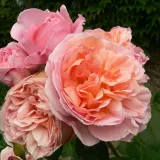
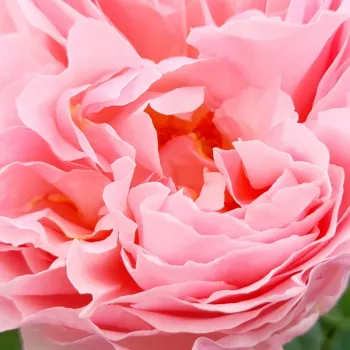
Large, very double, cup-shaped blooms 7–10 cm across; 40+ petals, borne in clusters of 3–5 per stem; remontant with abundant second and later flushes in season. |
| Colour data and phenology |
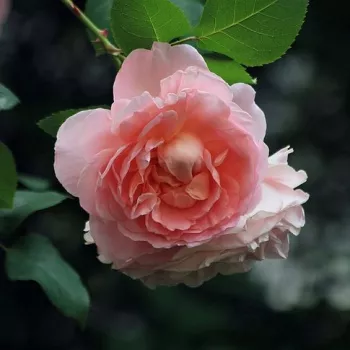
Apricot-pink blend; buds deep rose-peach with coral tone, opening to warm pink with peach and soft orange hints, fading to pastel creamy pink depending on light and temperature. |
| Fragrance and aroma |
Noted for strong, far-reaching fragrance of classic rose character; best appreciated near paths, terraces or doorways where air movement carries the scent. |
| Hip characteristics |
Hip set generally low due to very double blooms; where formed, produces small ovoid red hips around 10–14 mm in diameter, of limited ornamental presence. |
| Resistance and winter hardiness |
Hardy to about −21 to −18 °C (H7, USDA 6b); good resistance to powdery mildew and black spot, moderate rust sensitivity; benefits from watering in extended dry spells. |
| Horticultural recommendations |
Best in full sun and fertile, well-drained soil; plant 40 cm apart in beds, 35 cm in hedges, or 65 cm as specimens; suit 40–50 L containers with regular feeding and light deadheading. |
Dames de Chenonceau (DELpabra) offers repeat flowering, strong fragrance and steady, long-lived own-root growth, making it a thoughtful choice for those seeking graceful, low-fuss colour in a family garden.