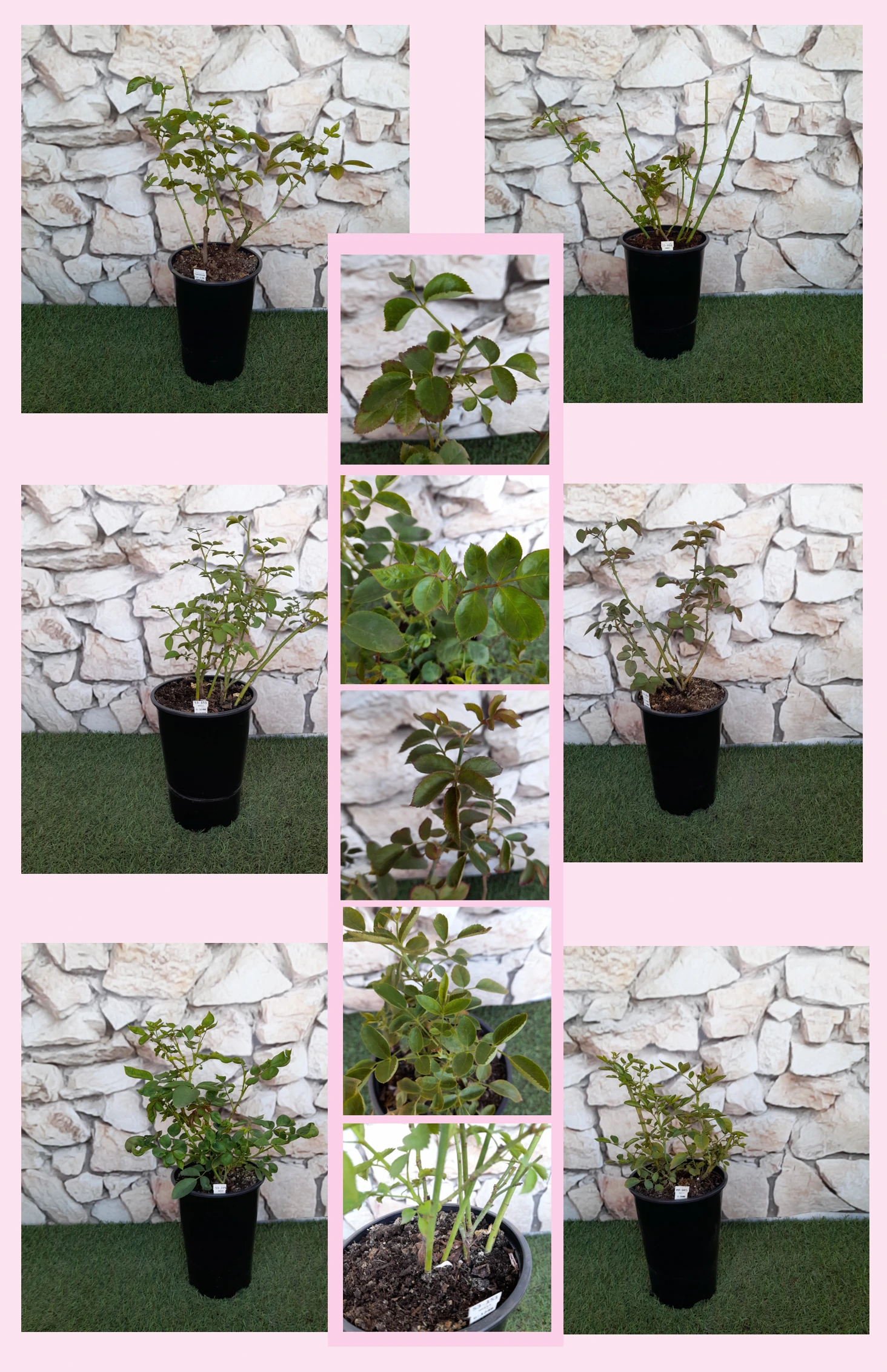
Daisy's Delight – pale pink nostalgic rose – Scarman
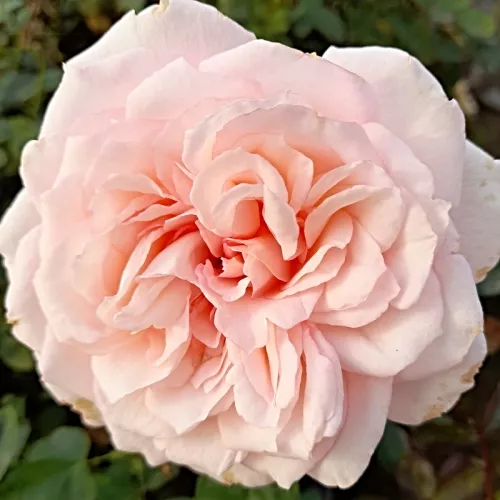
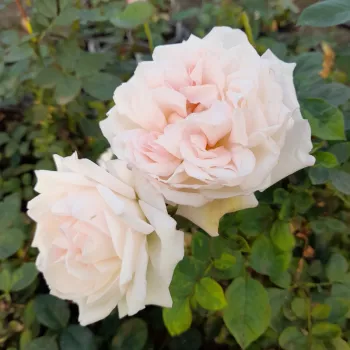
Step outside to soft raindrops, a gentle breeze and the cheerful calm of Daisy's Delight flowering steadily in your Irish garden, its sweet, strong scent wrapping a small front space in nostalgic charm while coping well with cool summers and frequent rainfall. This own‑root shrub settles in reliably, rewarding you with romantic, pale silvery‑pink rosettes on glossy, dark green foliage and asking for only modest attention. Plant once, then simply enjoy as its roots establish in year one, its framework builds in year two and its full cottage‑garden character appears by year three, bringing long seasons of colour and perfume to clay‑based beds and cottage‑style borders.
Usage options
| Target area |
Reasoning |
| Cottage-style mixed flower bed |
Ideal as a gently upright centrepiece in a mixed border, combining long, remontant flowering with that silvery‑pink, rosette form for classic romantic structure. Own‑root growth gives a long-lived, reliable shrub – perfect for the beginner. |
| Small Dublin front garden |
Works beautifully in narrow, terrace front gardens, where its strong, sweet fragrance and nostalgic blooms can be enjoyed close to the path or doorstep through changeable, rainy Irish weather. A good choice for the time-poor homeowner. |
| Informal flowering hedge |
Planted at 110 cm, it creates a soft, pale-pink hedge that repeats flower and maintains a dense, glossy screen, while moderate maintenance needs suit relaxed family gardens. A gentle solution for nature‑minded gardeners. |
| Specimen rose in lawn or gravel |
As a solitary shrub at around 200 cm spacing, its dark foliage and large, very full flowers stand out, and own-root stamina supports a long life with stable ornamental value. Suits those who like one special feature. |
| Large container on patio or balcony |
Performs well in a 40–50 litre container with good drainage, giving rich fragrance and repeat flowering close to seating areas, while own-root resilience helps recovery if watering is occasionally irregular. Ideal for busy urban residents. |
| Romantic “girly” planting with grasses |
The soft, pale-pink rosettes pair gracefully with fine grasses such as Stipa tenuissima, creating movement and a dreamy, feminine cottage look that stays attractive across seasons. A charming idea for style-conscious plant-lovers. |
| Clay soil family garden bed |
Well suited to Irish family gardens when planted with added drainage and mulch, as its robust shrub habit and own-root system build strength year on year, turning heavy ground into a lasting, floral asset. Reassuring for cautious beginners. |
| Scent-focused seating area |
Placing it near a bench or path lets you enjoy its rich, strong perfume and repeat flowering, evoking a short scented walk after the rain in your own garden, even with our short, cool summers bringing frequent showers. Designed for fragrance-seeking owners. |
Styling ideas
- Soft-border – Mix Daisy's Delight with lavender and catmint to echo its romantic colour and long flowering season, framing paths in cottage style – for relaxed family gardeners.
- Front-step – Place one in a 50 litre terracotta pot by the door, underplanted with trailing thyme, to enjoy strong perfume in a compact, easy-care space – for busy city dwellers.
- Grassy-drift – Thread shrubs through drifts of Stipa tenuissima so pale blooms float above moving foliage, extending interest well beyond peak flowering – for design-aware homeowners.
- Evening-seat – Position near a west-facing bench with white Philadelphus coronarius so scent and soft light combine on summer evenings – for fragrance enthusiasts.
- Season-span – Pair with late Aster novi-belgii and spring bulbs so the bed looks lively from early season through autumn, supported by the rose’s remontant habit – for long-view planners.
Technical cultivar profile
| Parameter |
Data |
| Name and registration |
Shrub rose from the Romantic rose collection, commercial nostalgia type; trade name Daisy's Delight Romantic rose Scarman; ARS exhibition name Daisy's Delight; registered cultivar name not recorded. |
| Origin and breeding |
Bred by John Scarman in Germany around 2009, introduced circa 2015 through Scarman Roses and Landhaus Ettenbühl; parentage unknown, selected for nostalgic character and garden performance. |
| Growth and structural characteristics |
Upright shrub with dense, glossy dark green foliage; height about 110–160 cm, spread 100–150 cm, moderately thorny stems; forms a substantial, bushy framework suitable for beds, hedges and specimens. |
| Flower morphology |
Very full, rosette-shaped blooms with more than 40 petals, large 7–10 cm flowers carried in clusters; remontant with a generous second flush, giving an extended flowering period through the season. |
| Colour data and phenology |
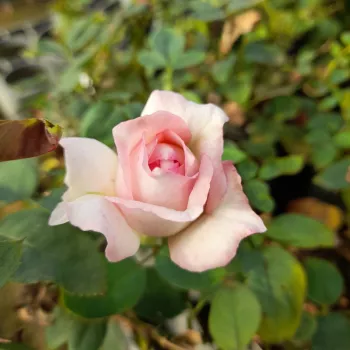
Delicate silvery pale-pink tone; outer petals RHS 36D, inner 158C; buds powdery pink, ageing to creamy, buttery tones in strong sun; colour retention moderate, overall effect soft and romantic. |
| Fragrance and aroma |
Strong, sweet, rich fragrance of classic old-rose character; ideal for planting close to paths, doors or seating where its perfume can be appreciated on still, humid evenings and after light showers. |
| Hip characteristics |
Occasionally produces small, spherical rose hips, about 8–12 mm diameter, in a clear red colour; hips are sparse and mainly of ornamental rather than wildlife-garden significance. |
| Resistance and winter hardiness |
Hardy to approximately −21 to −18 °C, RHS H7, Swedish zone 3, USDA 6b; moderate resistance to black spot, powdery mildew and rust, requiring standard preventative care in humid climates. |
| Horticultural recommendations |
Best in sunny positions with improved drainage, especially on clay; spacing 110–200 cm depending on use; suitable for beds, hedges, specimens and large containers above 40 litres, with medium maintenance needs. |
Daisy's Delight Romantic rose Scarman offers long, remontant flowering, rich fragrance and durable own-root growth for Irish gardens, a thoughtful choice if you favour easy charm and plan to enjoy your planting for many seasons.