DAINTY BESS – pink historic tea rose – Archer
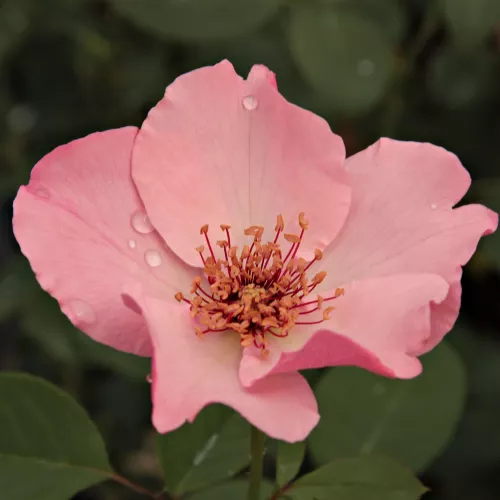
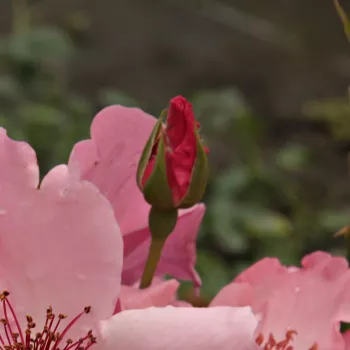
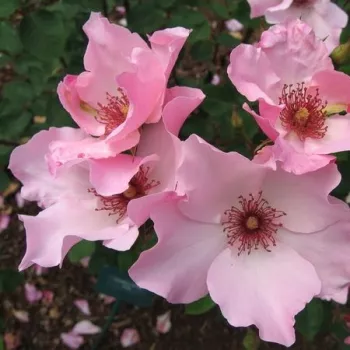
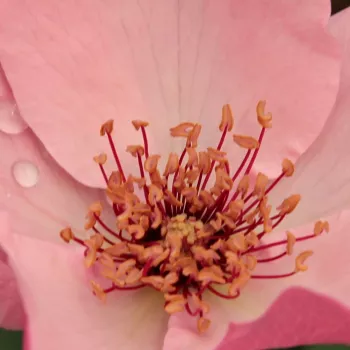
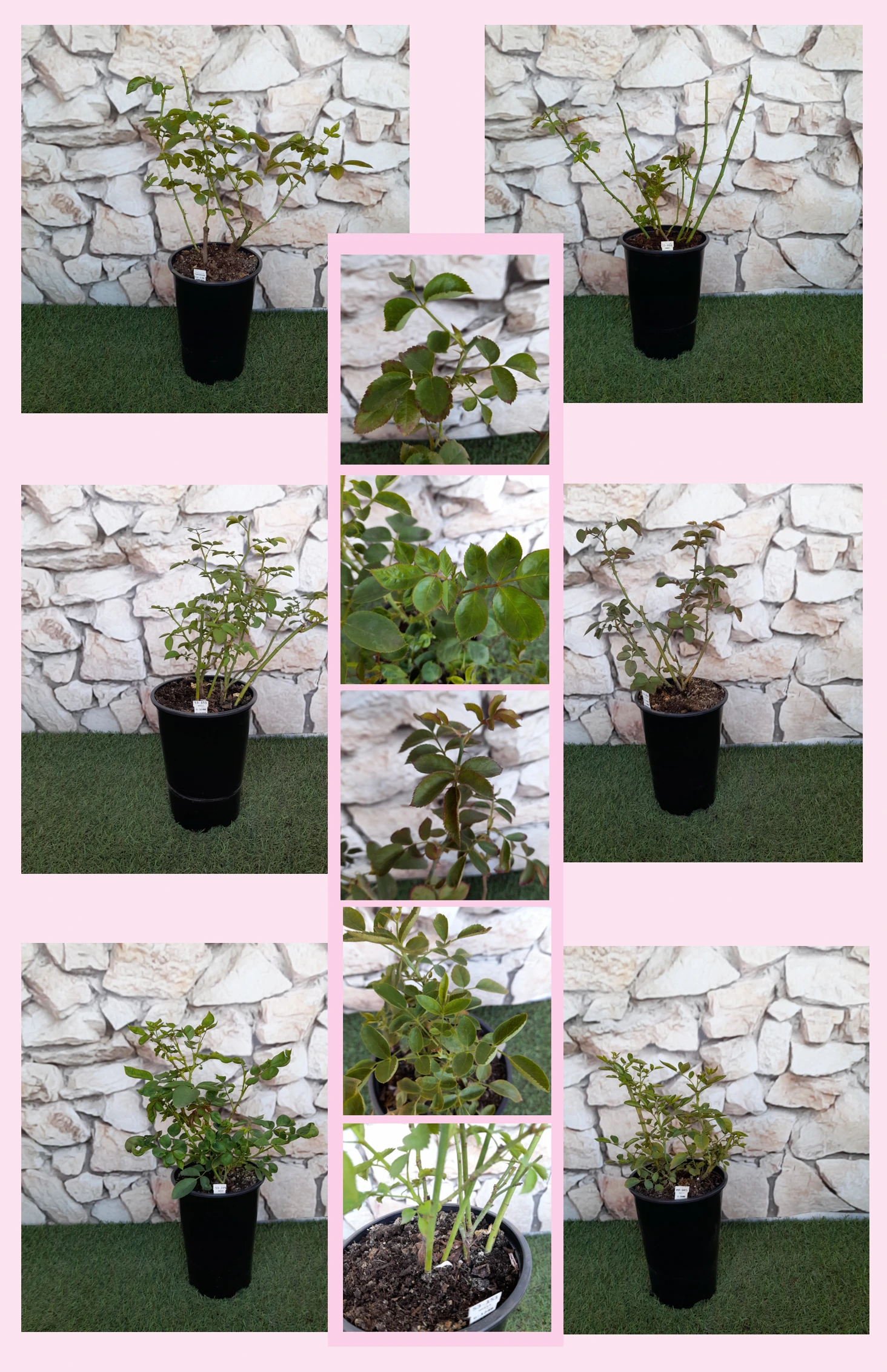
Step outside to meet ‘Dainty Bess’, a graceful heritage tea rose that feels perfectly at home in an Irish cottage border or a small Dublin front garden, even where summers are cool and rainfall is frequent. Its large, single blooms in soft, silvery pink, each circling a dramatic eye of burgundy stamens, bring a romantic touch that looks effortlessly natural rather than over‑styled. The medium, tea‑spiced perfume drifts on damp air, offering a quietly cheerful lift when You step out with a cup of tea. As an own‑root plant it builds up steadily for long, reliable longevity, coming into its own as roots settle, shoots strengthen and full display develops over several seasons. Bees and hoverflies adore the open flowers, so it adds gentle wildlife interest as well as beauty. In a well‑drained spot it takes typical family‑garden care in its stride, with good leaf health and a pleasantly manageable height for smaller spaces. Give it light, air and a little seasonal pruning, and this quietly elegant classic repays You with years of repeat flowering and cut stems for the house.
Usage options
| Target area | Reasoning |
|---|
| Cottage-style mixed border |
Large, airy, single blooms in soft silvery pink sit beautifully with perennials, giving a relaxed, romantic cottage look while leaving enough space and light for other plants to shine alongside it; ideal for Irish cottage gardeners |
| Cut-flower corner |
The long stems and exhibition-style hybrid tea form make it excellent for cutting; flowers hold their shape and character in the vase, and the medium tea-spice fragrance adds atmosphere indoors; perfect for home flower arrangers |
| Front-garden focal point |
Its upright habit and 1–1.4 m height create an elegant, not overpowering accent beside a path or low wall, giving structure and colour without blocking windows or light; well suited to Dublin terrace owners |
| Pollinator-friendly feature |
With open, lightly petalled blooms and prominent stamens, it offers easy access to pollen for bees and hoverflies, so every flush of flowers supports garden biodiversity as well as looks; attractive for nature‑oriented buyers |
| Low‑effort heritage collection bed |
This historic variety combines moderate disease resistance with steady, remontant flowering, so You gain a classic look without fussy routines, fitting neatly into a mixed bed You only refresh at weekends; reassuring for busy urban gardeners |
| Wind‑exposed family plot |
The medium height and reasonably sturdy framework cope well with breezier, more open sites, provided drainage is sound in heavier soils where wet weather lingers, making it a practical choice for coastal‑edge households |
| Own‑root long‑term planting |
Planted once and allowed to establish, an own‑root plant thickens up year by year, replacing any lost stems from its own base and preserving the true variety over time, rewarding patient long‑view gardeners |
| Feature rose in large container |
In a 40–50 litre or larger pot with good drainage it becomes an elegant patio specimen; own‑root stability, repeat blooms and moderate size suit seasonal underplanting and easy access for light pruning; ideal for small‑space balcony owners |
Styling ideas
- Cottage-Romantic – Combine ‘Dainty Bess’ with clustered bellflower and soft grasses for a loose, storybook cottage feel – for lovers of nostalgic borders
- Front-Door – Flank a townhouse entrance with two large containers, underplanting with lavender for scent and neat edging – for stylish city homeowners
- Wildlife-Ribbon – Thread it through a narrow border with verbena and single dahlias to create a bee‑friendly path you can brush past – for pollinator‑minded families
- Heritage-Accent – Set a single specimen in a small lawn island with low catmint to showcase its classic form – for collectors of historic roses
- Cutting-Nook – Plant a short row with white sagebrush and other long‑stemmed perennials to create a home cutting patch – for creative home florists
Technical cultivar profile
| Property | Data |
|---|
| Name and registration |
Hybrid tea heritage rose ‘Dainty Bess’, registered and exhibited under this name; recognised as a historic tea rose type within the Heritage rose collection segment. |
| Origin and breeding |
Bred in the United Kingdom by William Edward Basil Archer from ‘Ophelia’ × ‘Kitchener of Khartoum’; introduced 1927 via Hazlewood Bros., remaining an unregistered but well‑documented variety. |
| Awards and recognition |
Highly regarded in mid‑twentieth‑century shows, receiving multiple Royal National Rose Society Show and Trials certificates between 1930 and 1953 for garden and exhibition merit. |
| Growth and structural characteristics |
Upright, medium‑tall bush reaching about 100–140 cm high and 80–110 cm wide, of moderate thorniness and medium foliage density, forming an elegant yet substantial presence in small gardens. |
| Flower morphology |
Large, single to semi‑single flat blooms 7–10 cm across, usually borne singly, with around 5–12 petals and good remontancy, producing a generous second flush after the main summer flowering. |
| Colour data and phenology |
Soft, silky light pink with a delicate silvery tone; flowers open pale silvery‑pink, then fade to translucent very pale pink with a fine silvery edge, contrasted by deep burgundy stamens for striking detail. |
| Fragrance and aroma |
Medium‑strength, clearly perceptible scent with classic tea‑rose character touched by gentle spice, noticeable both outdoors and on cut stems, enhancing its use as a garden and vase rose. |
| Hip characteristics |
Produces moderate quantities of small, ellipsoid orange‑red hips about 10–14 mm across, which can contribute quiet ornamental interest in late season when flowers are fewer. |
| Resistance and winter hardiness |
Hardy to around −26 to −23 °C (H7, USDA 5b), with resistant responses to powdery mildew and black spot and moderate rust susceptibility, suiting typical damp, cool Irish conditions. |
| Horticultural recommendations |
Best in full sun with free‑draining soil; space 80–90 cm in borders or 150 cm as a specimen, and use basic seasonal pruning and occasional plant protection to maintain health and flowering. |
‘Dainty Bess’ offers romantic single pink blooms, a gentle tea‑spice fragrance and reliable repeat flowering on a durable own‑root framework; a thoughtful choice if You value characterful beauty with long‑term ease.