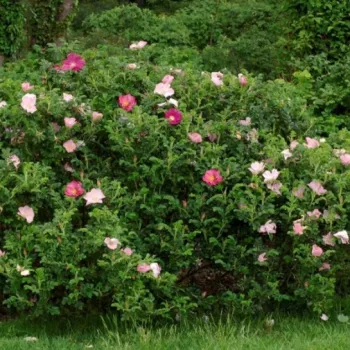
DAGMAR HASTRUP – pink wild rose – Hastrup
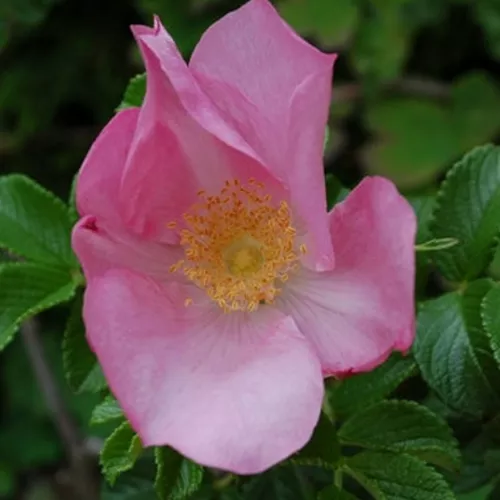
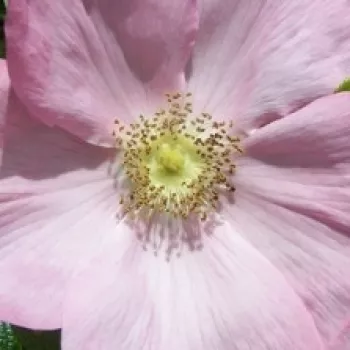
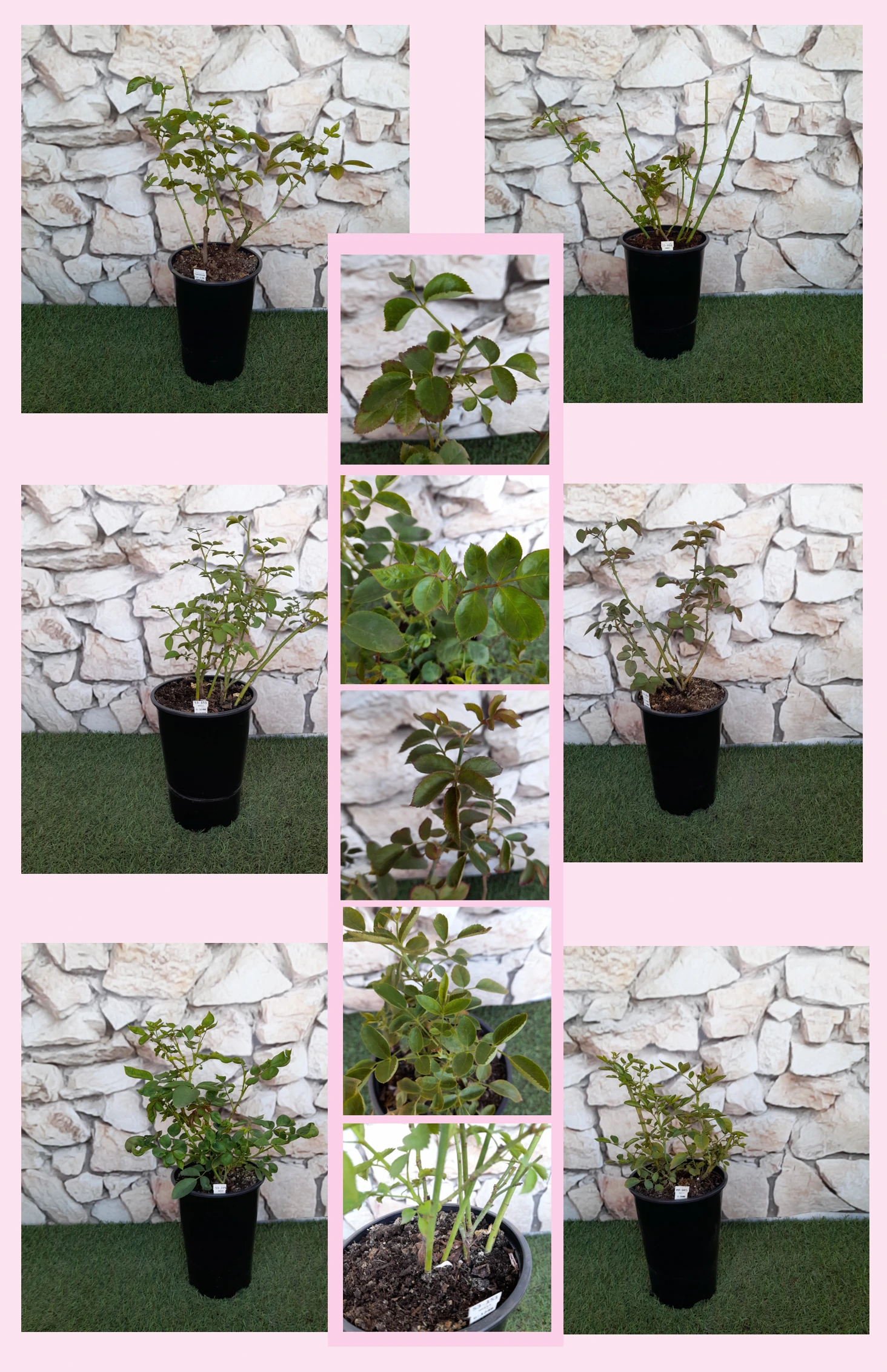
If You dream of a soft, romantic rose that simply gets on with things in an Irish family garden, Dagmar Hastrup is a classic rugosa shrub that feels at home in Atlantic weather, happily blooming through rainfall and wind without fuss. Large, cupped, single flowers in clear mid-pink open to a pale, almost white pastel, filling the air with a strong, distinctive rugosa fragrance that brings cheerful contentment on even the greyest day. The blooms are rich in nectar and easily reached stamens, making this an inviting pollinator magnet for bees and hoverflies in cottage-style borders and Dublin front gardens. Growing on its own roots, it settles in securely and builds a naturally long-lived hedge or low, spreading groundcover that copes well with poor soil and urban conditions. In its first year it focuses on roots, the second on sturdy shoots, and by the third it reveals its full, stable ornamental value.
Usage options
| Target area |
Reasoning |
| Cottage-style front garden hedge |
This spreading rugosa makes a dense, low hedge with dark green foliage and mid-pink, strongly scented flowers that repeat through summer, giving privacy and charm with minimal clipping or feeding, ideal for beginners. |
| Low-maintenance groundcover strip |
Its broad, ground-hugging habit and thorny stems knit together to cover soil, suppressing weeds and needing only light pruning, while coping with heavy Irish clay if basic drainage is provided, perfect for the busy. |
| Pollinator-friendly family play area edge |
Single, open blooms with exposed stamens provide easy pollen and nectar, encouraging bees and beneficial insects along paths and lawns while still looking soft and romantic for family spaces, appreciated by the nature-lover. |
| Coastal or exposed suburban garden |
Salt-tolerant, wind-hardy foliage and deep roots let this shrub thrive in blustery, maritime positions where other roses struggle, continuing to flower reliably under cool, changeable skies typical of our soft, damp climate. |
| Partial-shade city side return |
Suitable for partial shade, it will still flower generously against walls or along side passages, its strong perfume drifting towards windows and doors with little need for spraying or fuss, pleasing the urban homeowner. |
| Year-round structure in mixed shrub border |
Dense, thorny branches and glossy foliage give a solid backbone to mixed plantings, while hips follow the flowers for extra late-season interest, building up steadily as roots, then shoots, then full presence reward the patient gardener. |
| Informal naturalistic planting |
With its wild-rose character, pastel pink flowers and red hips, this cultivar blends effortlessly into meadow-style and nature-inspired schemes, supporting wildlife while asking for little more than an annual tidy, suiting the relaxed planter. |
| Easy-care large container on patio |
In a 40–50 litre pot with good drainage, it provides a long season of scented bloom and attractive foliage near seating areas, remaining manageable and healthy with simple watering and feeding, reassuring for the cautious beginner. |
Styling ideas
- Cottage-Hedge Charm – Line a front boundary with alternating clumps of this rose and dwarf yew for a soft, pretty hedge that still feels structured – ideal for traditional terrace owners.
- Pastel-Pathway Drift – Let its spreading form spill towards a gravel path, underplanting with meadow sage to echo the pink and purple tones – for romantically inclined garden walkers.
- Pollinator-Pocket Border – Combine with airy perennials such as Nepeta and ornamental grasses to create a buzzing, low-care strip along a lawn – for wildlife-focused families.
- Urban-Relaxed Corner – Use a single plant in a big container with simple evergreen companions to bring fragrance and softness to a paved patio – for busy city households.
- Naturalistic-Edge Sweep – Mass-plant along the edge of a lawn or wildflower area, letting the shrubs create a gentle, meadow-like transition – for fans of informal landscapes.
Technical cultivar profile
| Characteristic |
Data |
| Name and registration |
Hybrid Rugosa shrub rose, trade name Dagmar Hastrup, also listed as Hastrup; classic park and shrub type used as wild-style garden rose, unregistered cultivar for exhibition purposes. |
| Origin and breeding |
Bred by Knud Julianus Hastrup in Denmark, 1914, introduced widely from 1934 via Poulsen Roser A/S and Wayside Gardens; long-established, reliable heritage shrub in cool, coastal climates. |
| Awards and recognition |
Holds the Royal Horticultural Society Award of Garden Merit and American Rose Society Classic Shrub Rose awards from 1999 and 2000, underlining garden reliability and ornamental value. |
| Growth and structural characteristics |
Spreading, groundcover habit, typically 70–110 cm high and 100–160 cm wide; dense, slightly glossy dark green foliage on thorny shoots forms a solid, protective, low-maintenance shrub mass. |
| Flower morphology |
Large single to semi-double, cupped flowers 7–10 cm across, usually in clusters, with about 5–12 petals; remontant, offering a generous second flush after the main early-summer display. |
| Colour data and phenology |
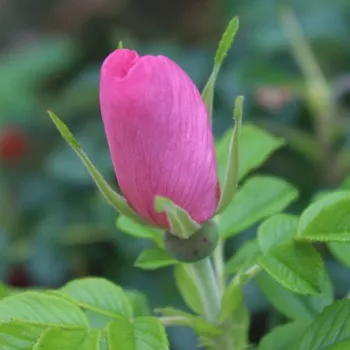
Mid-pink buds (RHS 65C) open to light pink, later fading towards pastel and almost white; colour softens in strong sun, giving a gentle, variable effect across the flowering period. |
| Fragrance and aroma |
Strong, distinctive rugosa fragrance typical of the group, easily noticeable on still, humid days; scented blooms contribute significantly to sensory enjoyment near paths, doors and seating. |
| Hip characteristics |
Produces globose red hips around 20–30 mm when pollinated; spherical fruits add seasonal interest and potential wildlife value after flowering, though crop can vary with deadheading practices. |
| Resistance and winter hardiness |
Very hardy, roughly USDA zone 3b and RHS H7, tolerating about −37 to −34 °C; good resistance to black spot and powdery mildew, moderate rust, with notable salt, drought and urban tolerance. |
| Horticultural recommendations |
Suited to hedges, groundcover, beds and naturalistic plantings; space 110–200 cm depending on use; prefers well-drained but not dry soil, tolerates partial shade, prune lightly to maintain shape. |
DAGMAR HASTRUP offers fragrant repeat flowering, wildlife-friendly single blooms and durable, own-root shrub strength, making it a thoughtful choice for relaxed Irish gardens seeking long-term beauty with little effort.