CSÍKSZEREDA – pink bedding floribunda rose – Márk
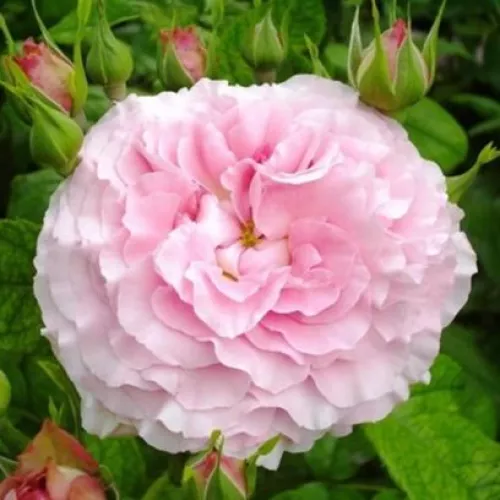
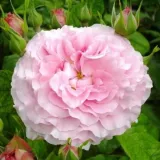
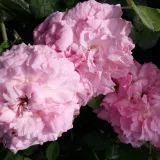
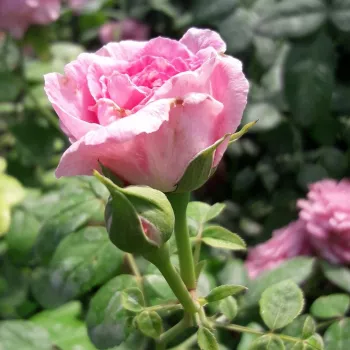
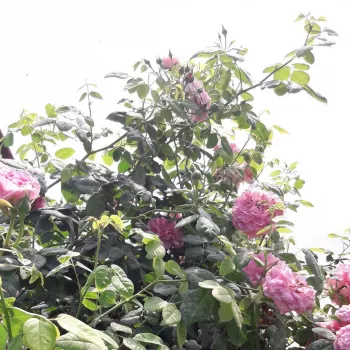
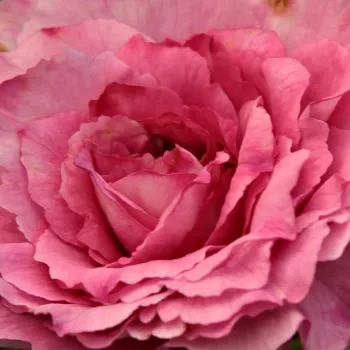
Step out to meet CSÍKSZEREDA on a soft, damp morning and You will find a low‑maintenance rose that quietly fills cottage borders and small Dublin front gardens with colour from early summer well into autumn. Its semi‑double, carmine‑pink blooms repeat reliably, even in Ireland’s cool summers, bringing a sense of cheerfulness without demanding fussy pruning or feeding. On its own roots it builds a long‑lived, resilient framework that shrugs off Atlantic showers and copes well where soil stays heavy after rainfall, as long as basic drainage is in place. Over time the bushy, upright habit and glossy mid‑green foliage knit into a stable, medium‑sized shrub perfect for “girly” cottage schemes or neat, welcoming terraces. Think of it as a gentle progression – first year focusing on roots, the second on strong new shoots, and by the third year delivering its full ornamental presence and a quietly satisfying lifespan in Your family garden.
Usage options
| Target area |
Reasoning |
| Front garden focal shrub |
Its bushy, upright 100–140 cm habit gives instant structure without overpowering a small Irish front garden, creating a welcoming focal point that looks good year‑round, ideal for the homeowner. |
| Bedding and mass planting |
Clustered, semi‑double carmine‑pink blooms repeat generously, so in beds or along paths You get months of steady colour with minimal deadheading, suiting the time‑poor beginner. |
| Cottage‑style mixed border |
The rich pink pompon flowers blend beautifully with soft perennials like Gypsophila and Carex, giving a romantic “girly” cottage feeling that appeals to the nature‑oriented gardener. |
| Low‑maintenance family garden hedge |
Recommended spacing around 90 cm allows a loose flowering hedge that is easy to trim and keeps its line for many years, ideal for a busy family. |
| Urban terrace and small lawn edge |
Medium height and tidy, glossy foliage provide reliable form beside drives or small lawns, even where Atlantic showers and heavier soils are common, practical for the urban owner. |
| Pollinator‑friendly corner |
Semi‑double flowers with visible stamens offer moderate pollen access and repeat through the season, adding gentle support to bees when paired with other nectar plants, suiting the eco‑minded buyer. |
| Long‑term structural planting |
On its own roots it reshoots well from the base, avoiding graft failures and keeping a stable shape over many years, reassuring for the long‑view planner. |
| Seasonal interest with hips |
After flowering, orange‑red ovoid hips of 10–14 mm add autumn colour and texture without extra work, an easy way to extend interest for the relaxed enthusiast. |
Styling ideas
- Cottage‑Border Charm – weave CSÍKSZEREDA through a loose mix of Gypsophila repens and airy perennials to create a romantic, pink‑flecked cottage border – perfect for dream‑loving homeowners.
- Neat‑Front Welcome – plant a short row along a path or low wall to frame the entrance with tidy green structure and soft pink bloom – ideal for Dublin terrace fronts.
- Family‑Friendly Hedge – use repeated plants at 90 cm intervals for an informal, flowering boundary that is easy to clip and live‑with – suited to busy family gardens.
- Soft‑Colour Trio – combine with Crocosmia and blue‑grey Carex flacca ‘Blue Zinger’ for a lively yet coordinated pink‑orange‑blue scheme – appealing to colour‑confident beginners.
- Feature Pot Accent – grow one plant in a 40–50 litre container with good drainage for a moveable, long‑lived focal point on patio or balcony – great for small‑space urban gardeners.
Technical cultivar profile
| Property |
Data |
| Name and registration |
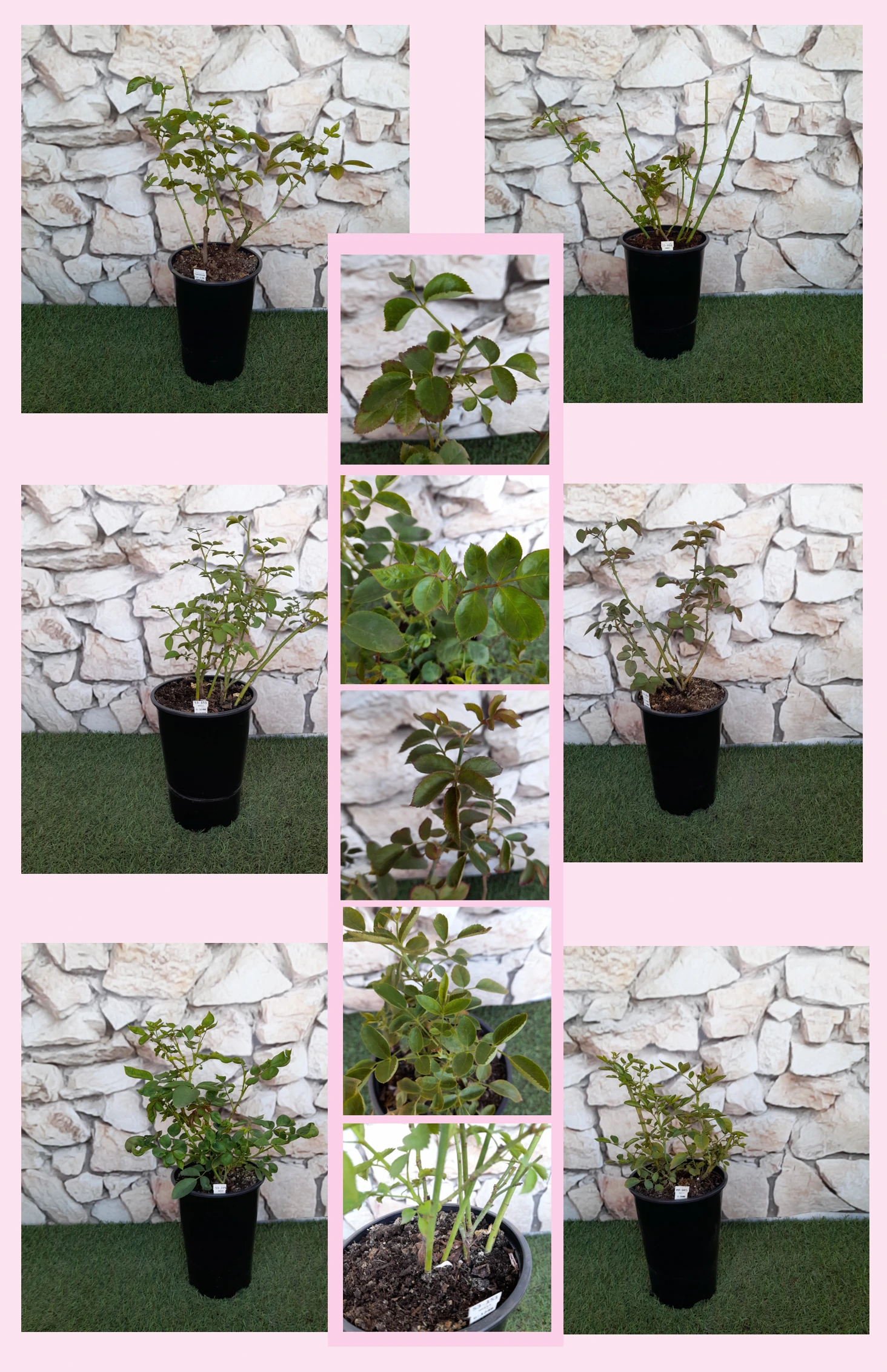
CSÍKSZEREDA – pink bedding floribunda shrub rose; trade name CSÍKSZEREDA Flowerbed rose Márk, floribunda group, own‑root, supplied as pharmaROSA ORIGINAL 2‑litre garden container. |
| Origin and breeding |
Bred in Hungary in 2006 by Márk Gergely from a self‑cross of ‘Árpád‑házi Szent Erzsébet emléke’; initially distributed by PharmaRosa Ltd., exact registration dates not recorded. |
| Growth and structural characteristics |
Bushy, upright shrub 100–140 cm tall and 80–120 cm wide; moderately thorny stems with dense, mid‑green glossy foliage forming a full, structural plant suitable for beds, hedges, or specimen use. |
| Flower morphology |
Semi‑double, globular to pompon clusters; 13–25 petals per bloom, medium size 4–7 cm, borne in inflorescences that provide regular flushes with a notable second flowering in suitable seasons. |
| Colour data and phenology |
Deep carmine‑pink buds (RHS 57C/57B) open to vibrant carmine‑pink, then gradually fade to pale carmine‑pink with softer rose‑pink veiling; colour retention medium, with gentle lightening at petal edges. |
| Fragrance and aroma |
Fragrance is very weak and barely perceptible, making it suitable where scent sensitivity is a concern; the visual effect and colour play are the primary ornamental features of this cultivar. |
| Hip characteristics |
After flowering, it sets moderate quantities of ovoid, orange‑red hips about 10–14 mm across, adding subtle autumn interest and wildlife value without compromising the plant’s overall form. |
| Resistance and winter hardiness |
Hardy to approximately −21 to −18 °C (USDA 6b, RHS H7, Swedish zone 3); disease resistance moderate, with some susceptibility to common fungal issues in damp seasons, requiring occasional monitoring. |
| Horticultural recommendations |
Prefers fertile, well‑drained soil on the neutral to slightly acidic side; recommended spacing 90–150 cm depending on use, with 1.0–1.2 plants/m² for mass planting and routine, moderate maintenance. |
CSÍKSZEREDA offers easy repeat flowering, medium maintenance and long own‑root reliability for Irish cottage borders and front gardens, a thoughtful choice if You would like dependable colour without complicated care.